English
 日本語
日本語
 русский
 Français
 Español
Easter Theme: Celebrate spring with a playful Easter bunny and egg pattern, perf...

A cosplay costume may look impressive during a photoshoot yet struggle to survive a full day at a convention. Large exhibition halls, crowded walkways, long queues, repeated posing, and constant movement place demands on a costume that rarely exist during studio photography.
Many attendees discover that a design which appears accurate on paper becomes difficult to wear after several hours. This challenge affects both handmade creations and commercially produced outfits. A professional cosplay costume factory may focus on appearance, sizing consistency, and character accuracy, but convention environments introduce additional stresses that reveal hidden weaknesses in construction.
Costume failures are not always dramatic. A broken zipper, detached armor piece, overheated wearer, or restricted movement can all reduce the overall experience.
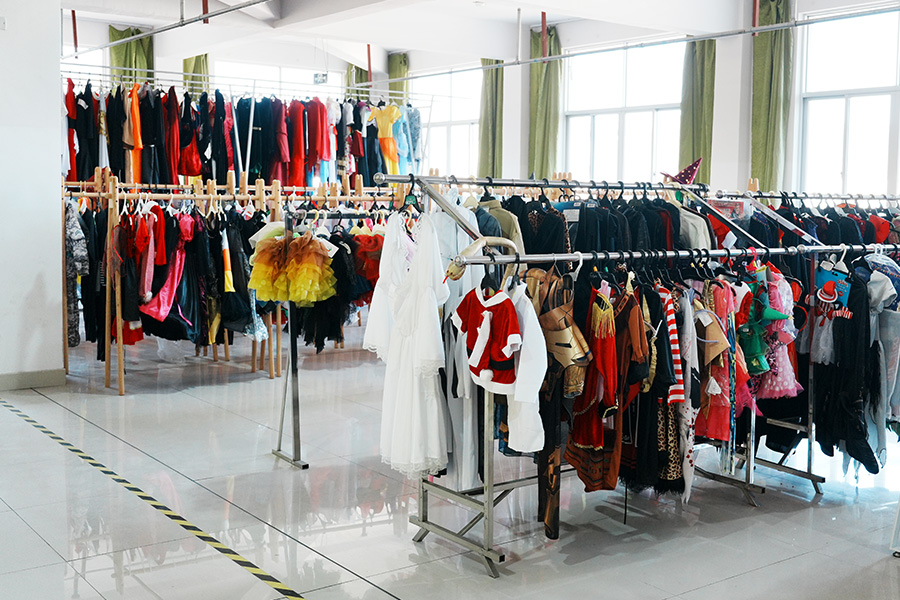
Cosplay costumes are often built for appearance in static poses, not continuous motion. Once the wearer starts walking, sitting, or turning repeatedly, stress accumulates in predictable areas.
Common stress points include:
Fabric and foam components expand and contract repeatedly during movement. Over time, stitching tension weakens and adhesive bonds begin to separate. Even reinforced seams can fail if load distribution is uneven across the garment frame.
Cosplay repair discussions frequently highlight seam splitting and structural tearing as recurring issues during events, especially in high-activity costumes with layered builds or heavy attachments .
Convention environments generate intense heat buildup due to crowd density, lighting systems, and limited airflow. Costume materials often amplify this effect instead of mitigating it.
High-risk material behaviors:
Once internal temperature rises, sweat saturation begins to affect structural integrity. Adhesives soften, foam compresses, and inner linings become damp, increasing friction against skin.
Research on convention wear conditions shows that enclosed costumes can trap significant internal heat, creating discomfort and performance strain during long sessions . In extreme cases, overheating becomes a safety issue rather than just a comfort problem.
Closure systems are among the most failure-prone elements in cosplay construction. They carry concentrated mechanical load every time the costume is worn or adjusted.
Typical failure modes:
Once a closure weakens, the surrounding fabric experiences uneven stress distribution. That accelerates tearing along adjacent seams, especially in fitted costumes where closures carry structural support rather than just access functionality.
Community reports from cosplay repair threads show zipper failures as one of the most frequent on-site issues, often requiring quick fixes during convention hours .
Costumes with armor pieces, props, or layered skirts often suffer from uneven weight distribution. The issue becomes more noticeable after hours of wear rather than immediately during fitting.
Typical imbalance patterns:
Once imbalance persists, structural anchors begin to deform. Straps stretch, stitching loosens, and foam components compress under constant directional force.
Designs that look stable in static photos often reveal weak load pathways under real movement conditions.
Extended wear exposes materials to repeated friction, sweat exposure, and environmental contact. This creates gradual surface breakdown that eventually affects structural performance.
Common fatigue indicators:
Cosplay builds using EVA foam and layered adhesives are especially sensitive to repeated flexing. Microfractures form in rigid areas, eventually leading to visible cracks or separation between bonded layers.
Material studies in cosplay construction emphasize that durability depends not only on base material choice but also on reinforcement strategy and motion-aware design adjustments .
Costumes are typically fitted in controlled environments with limited movement. Real convention conditions introduce continuous posture changes that shift how garments sit on the body.
Fit-related failure triggers:
Even small discrepancies between body geometry and pattern design can multiply under repeated motion. A costume that feels acceptable during fitting may become restrictive or unstable after several hours of activity.
Cosplay guides consistently highlight the importance of testing full movement conditions before event wear to reduce unexpected failures .
Most costume breakdowns do not come from a single issue. They occur when multiple stress factors overlap:
Once these variables align, failure becomes more likely during peak activity moments such as photo sessions or long walking periods between convention halls.
Real-world cosplay experiences often show that durability is not just a material property but a system outcome shaped by design, environment, and usage duration.
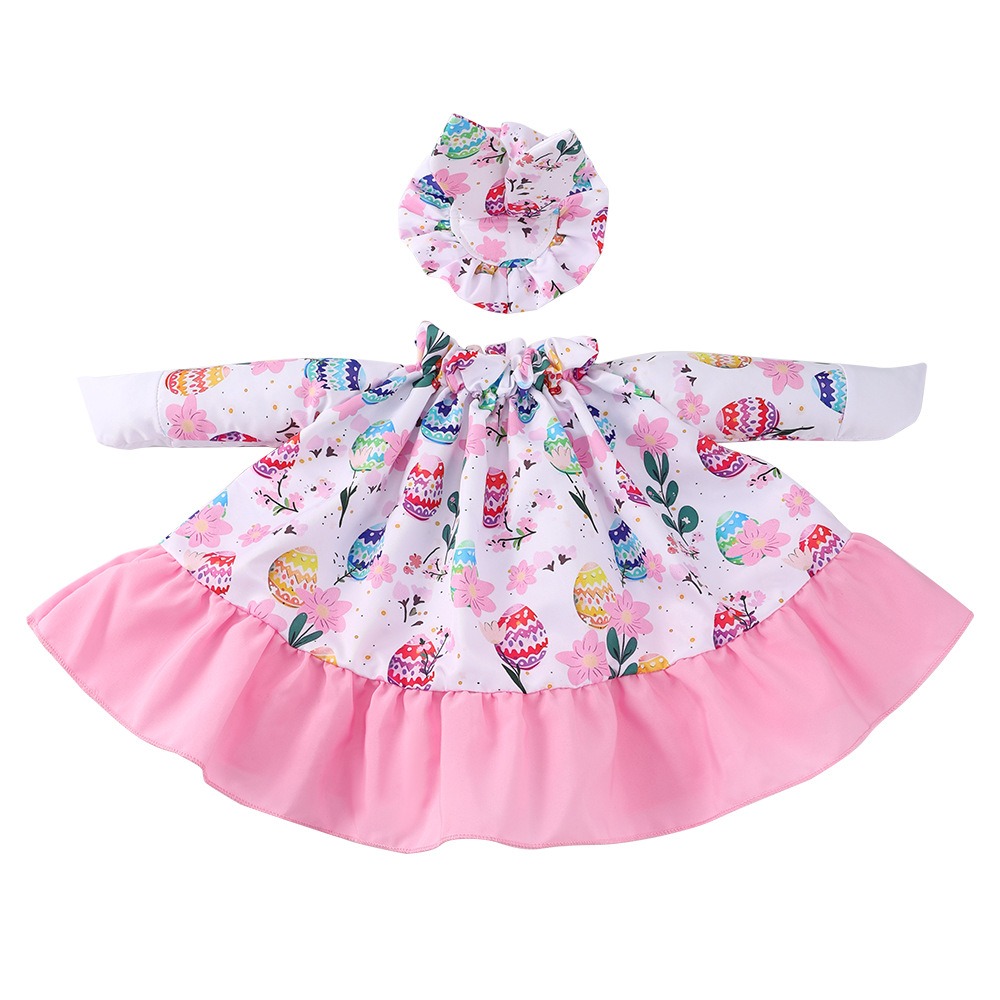
Easter Theme: Celebrate spring with a playful Easter bunny and egg pattern, perf...
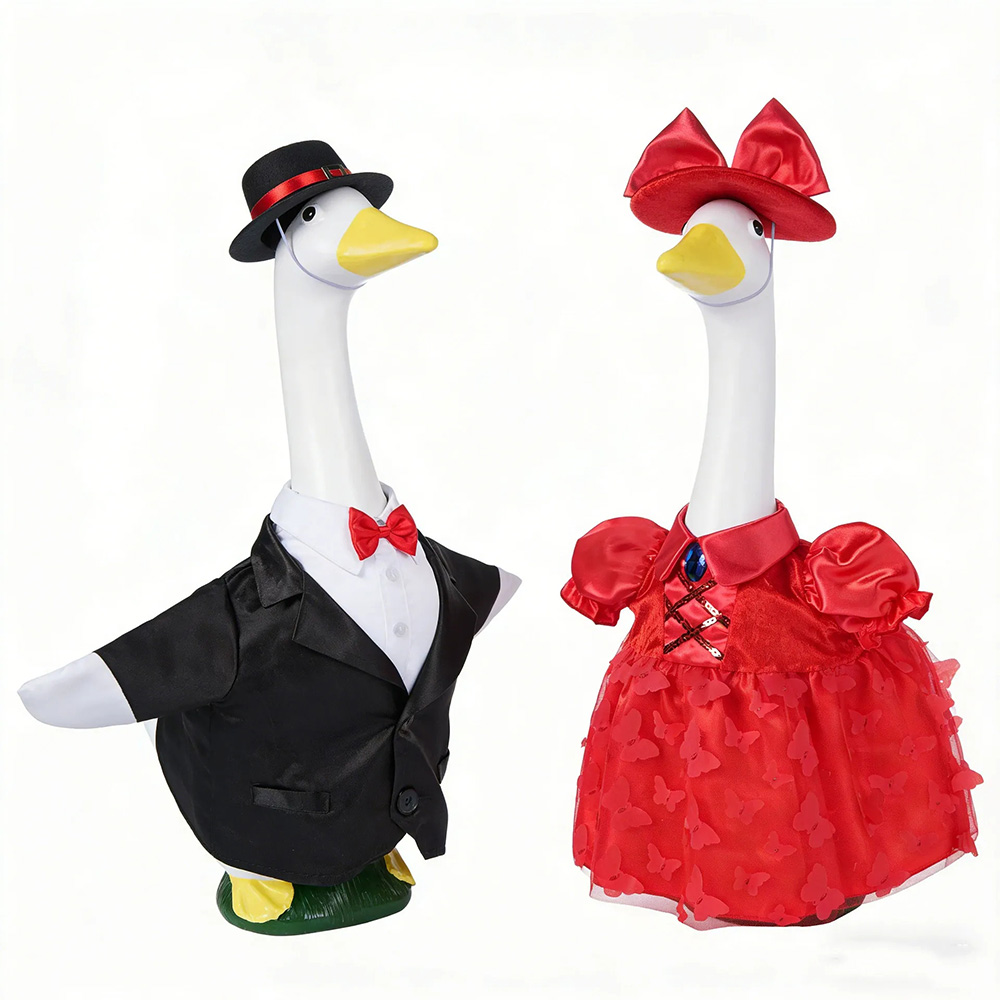
Princess Style Design: Elegant princess dress style transforms your porch goose ...
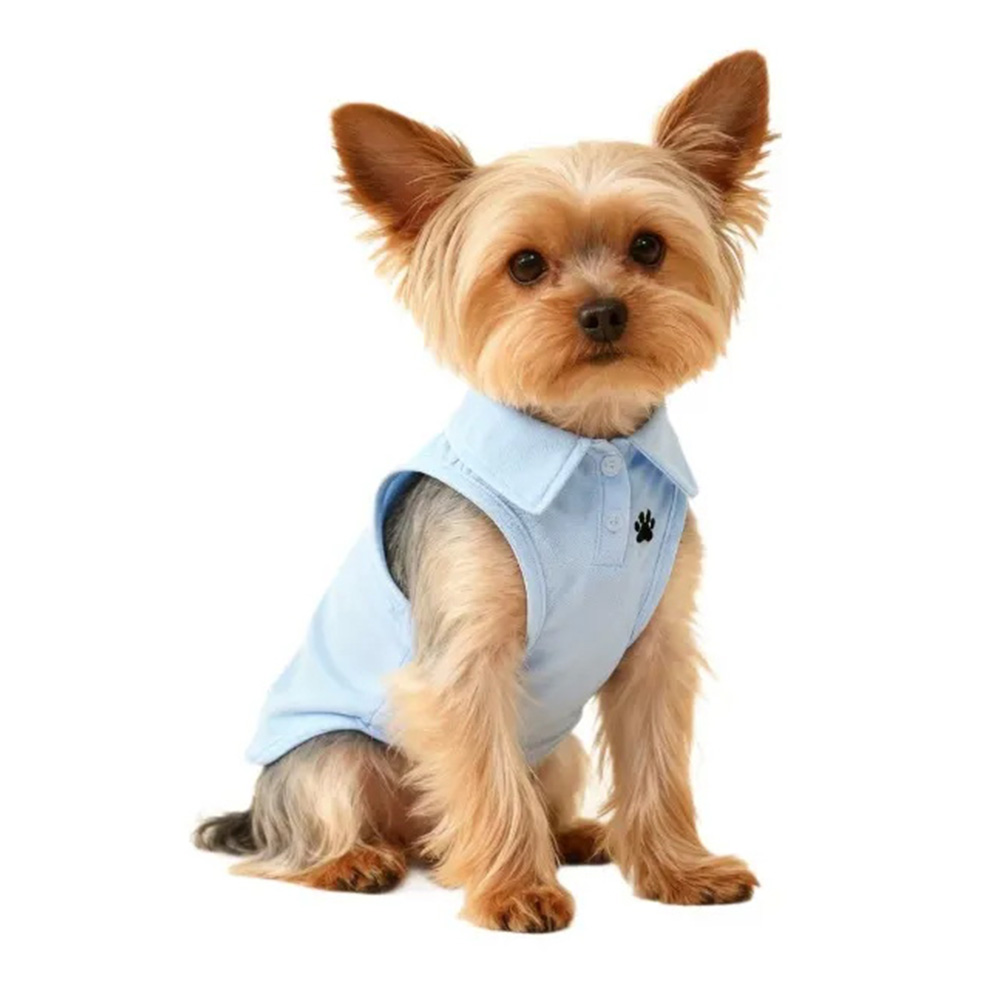
Polo Style Design: Classic polo collar design gives pets a neat and stylish look...
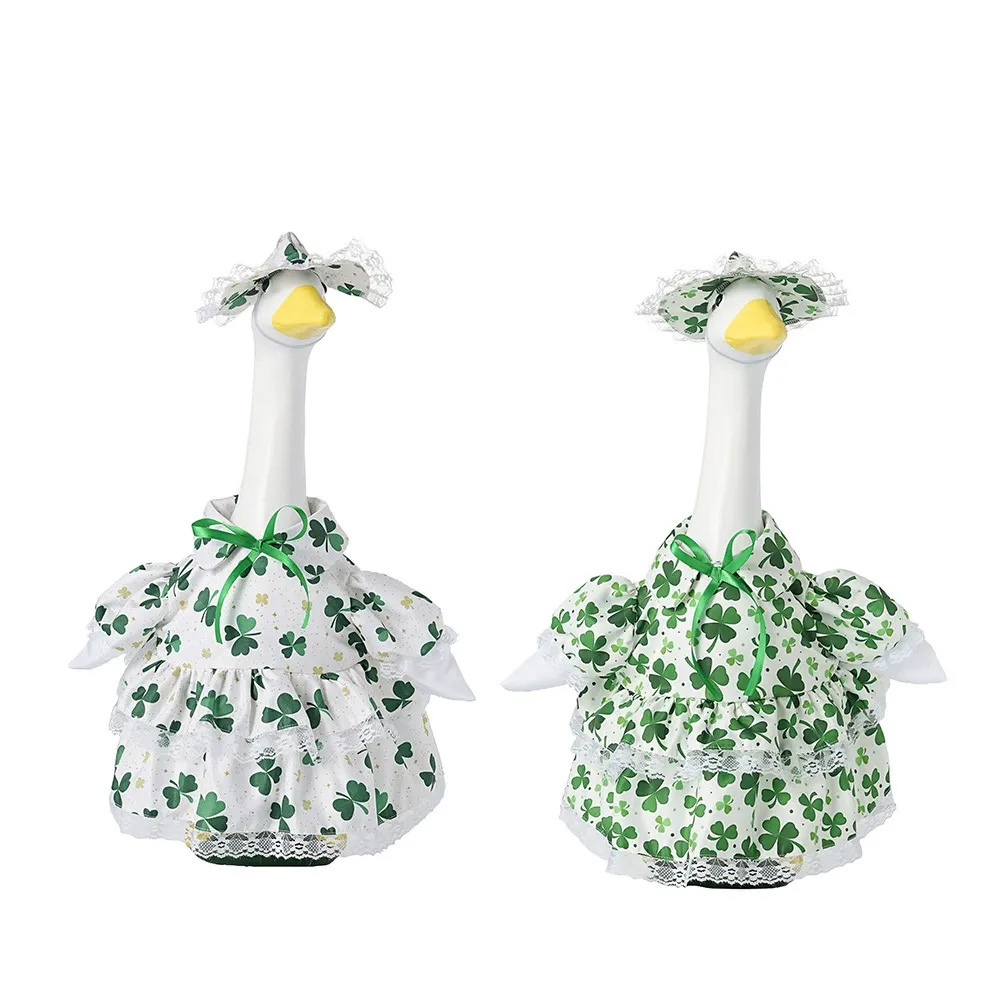
St. Patrick’s Day Theme: Decorated with clover elements to celebrate the festive...
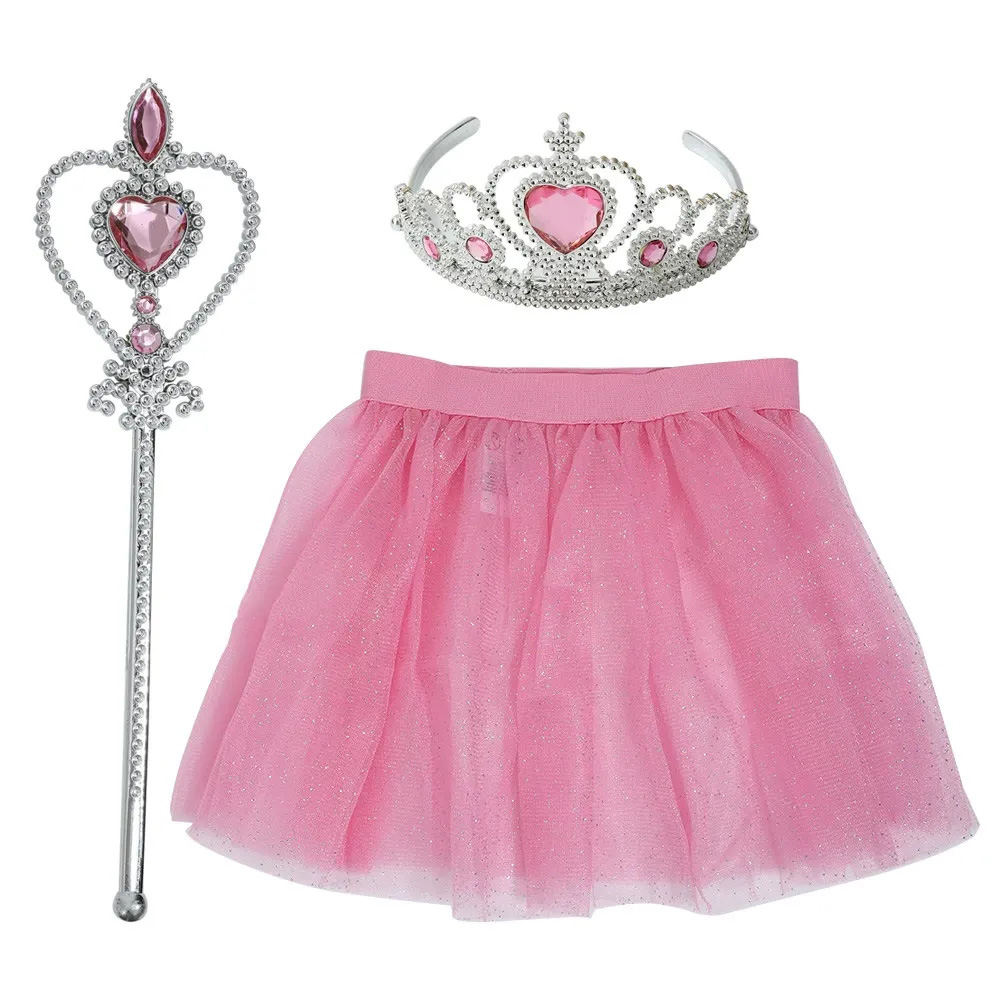
Complete Princess Set: Includes tutu skirt, tiara crown, and magic wand for a fu...
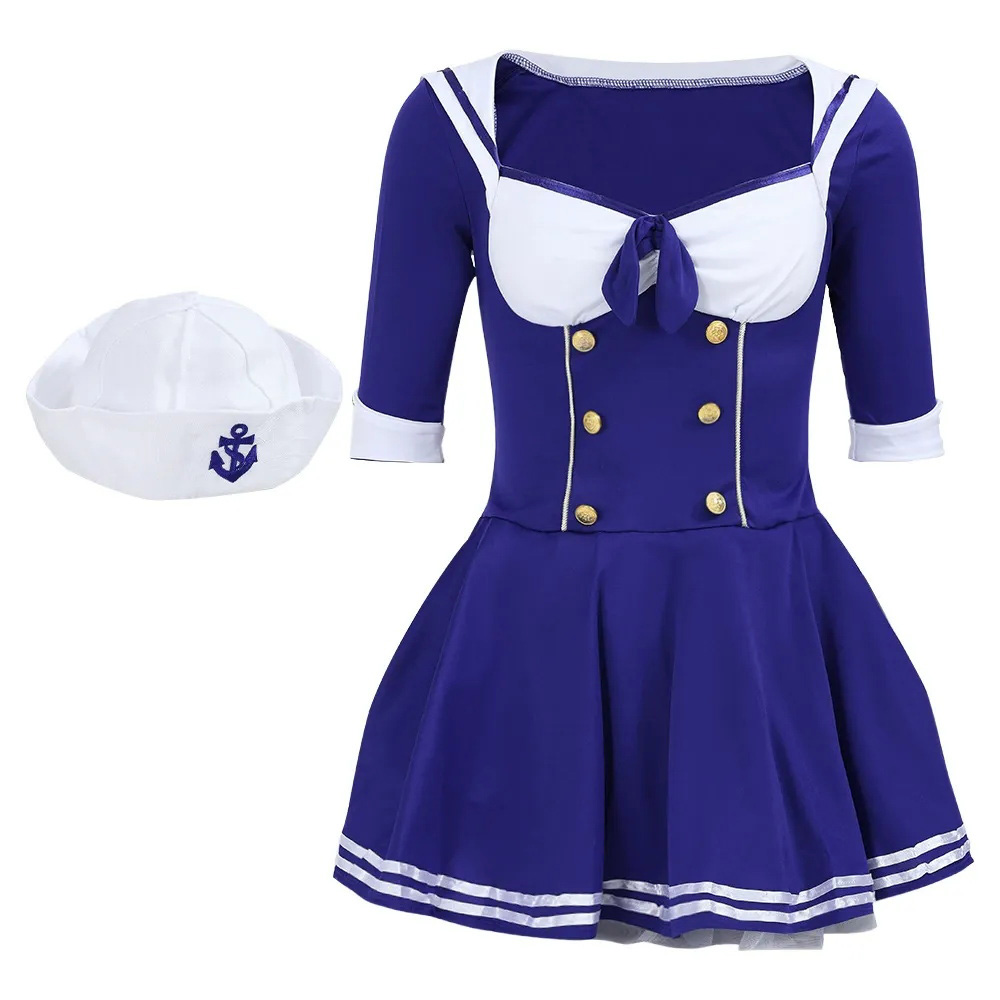
Classic Navy Style: Inspired by traditional sailor uniforms with a modern fashio...
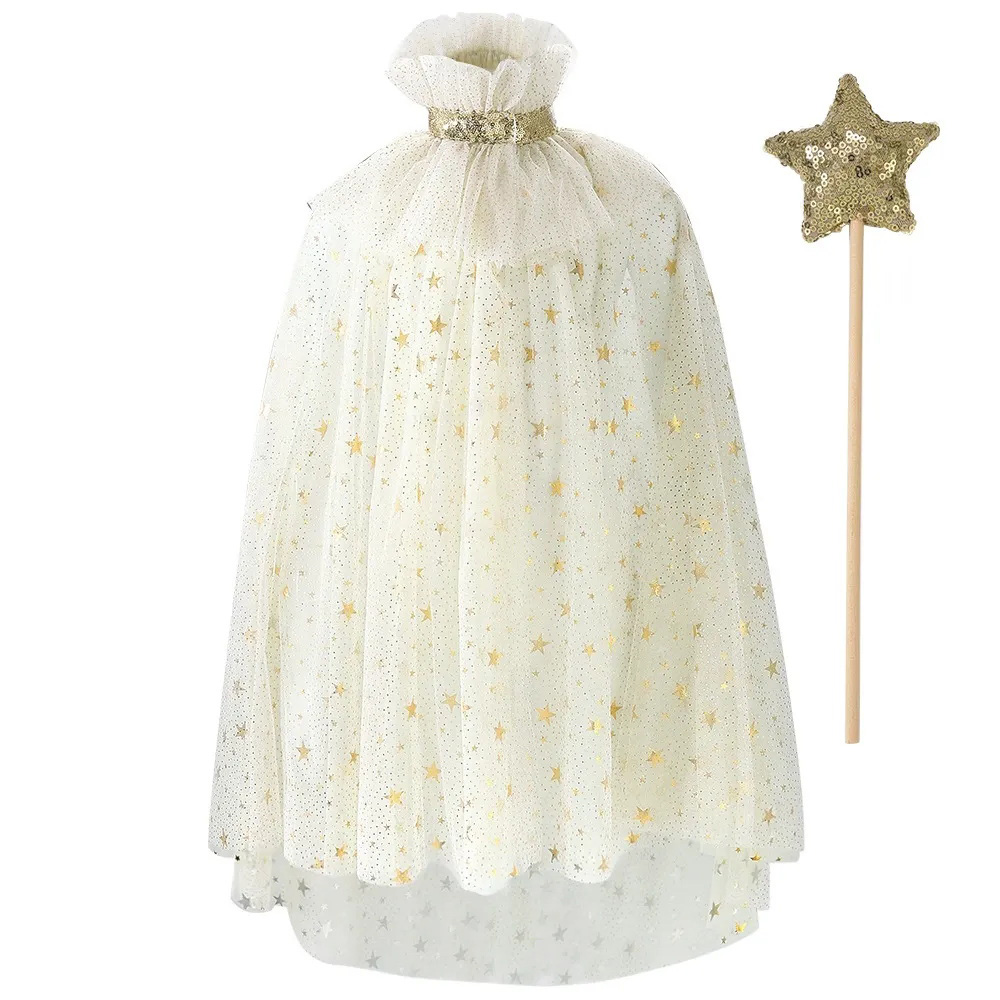
Sparkling Sequin Cape: Eye-catching glitter detail for magical flair.Soft Tulle ...
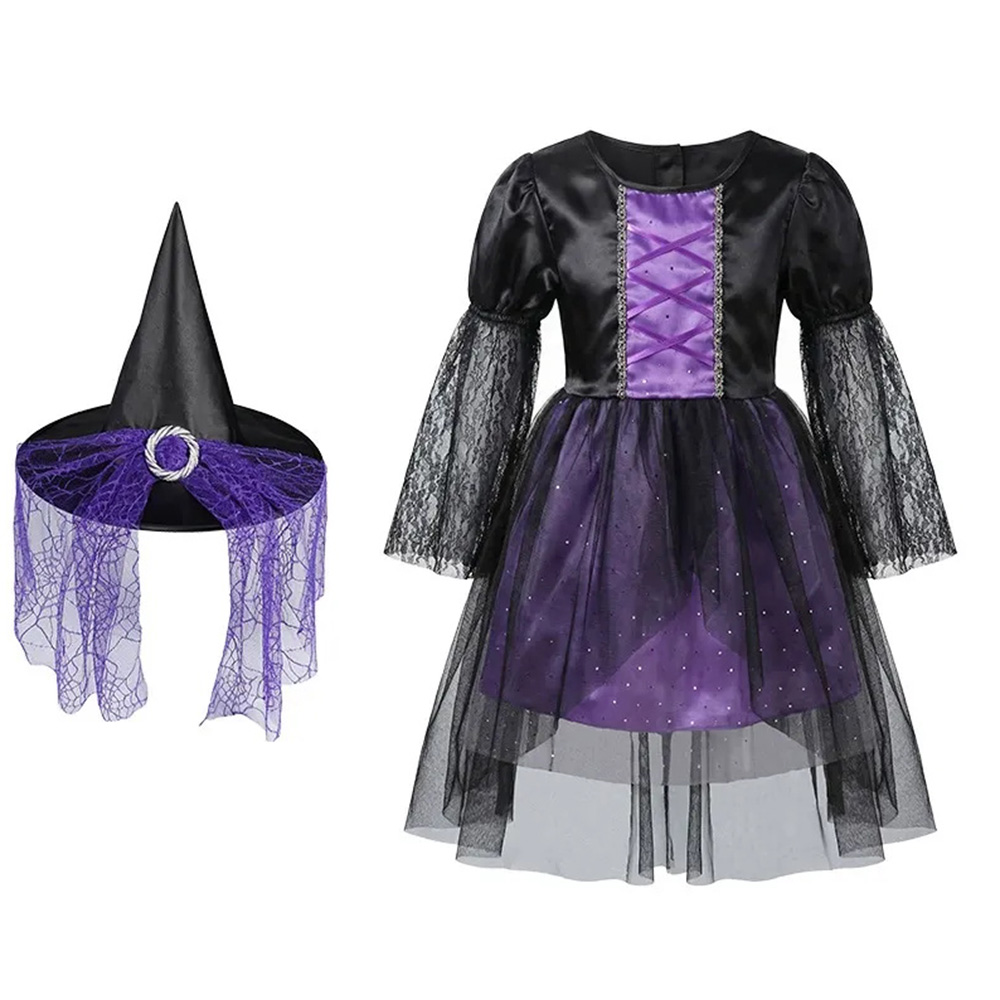
Spellbinding Style: Enchant the crowd with this bewitching witch costume for kid...
QUICK LNKS
PRODUCTS
CONTACT
No.19 Shanghu Industrial Function Zone, Panan County, Zhejiang, China.
(+86) 579-84882425
(+86) 13857944344
Mobile Web