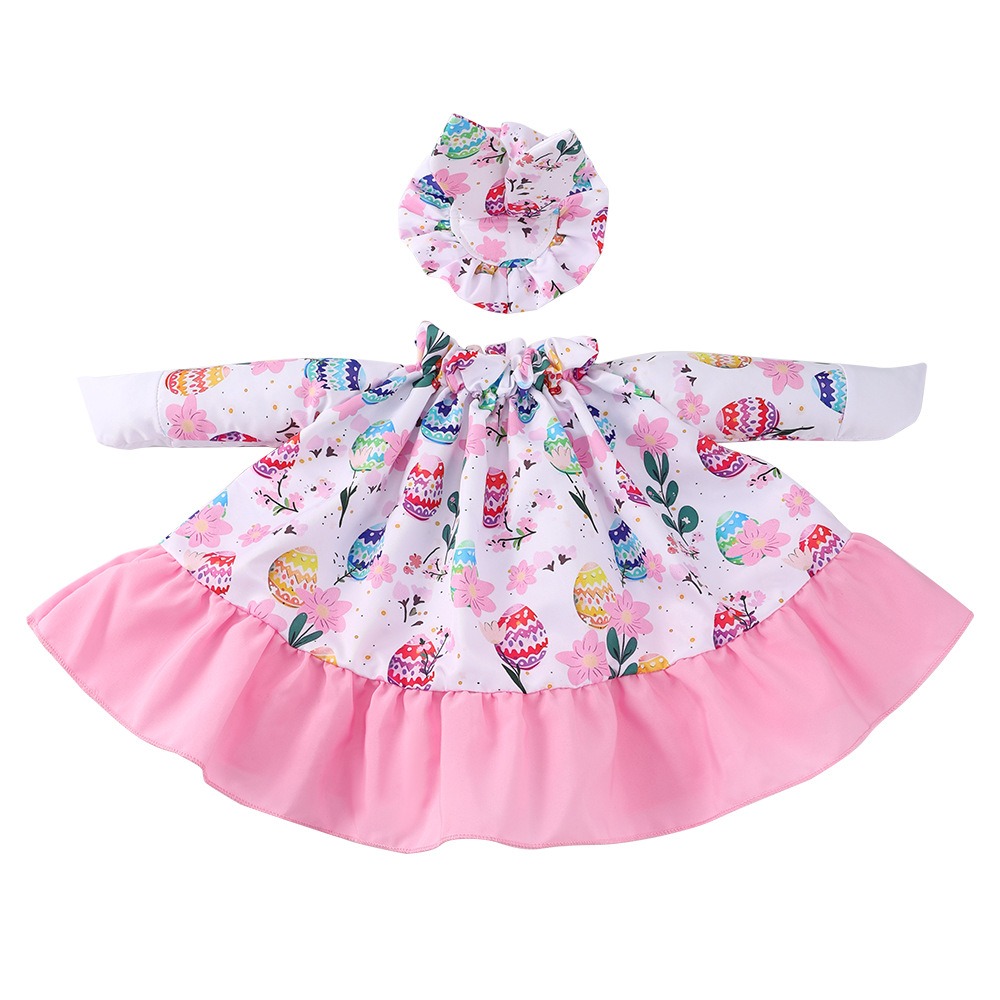
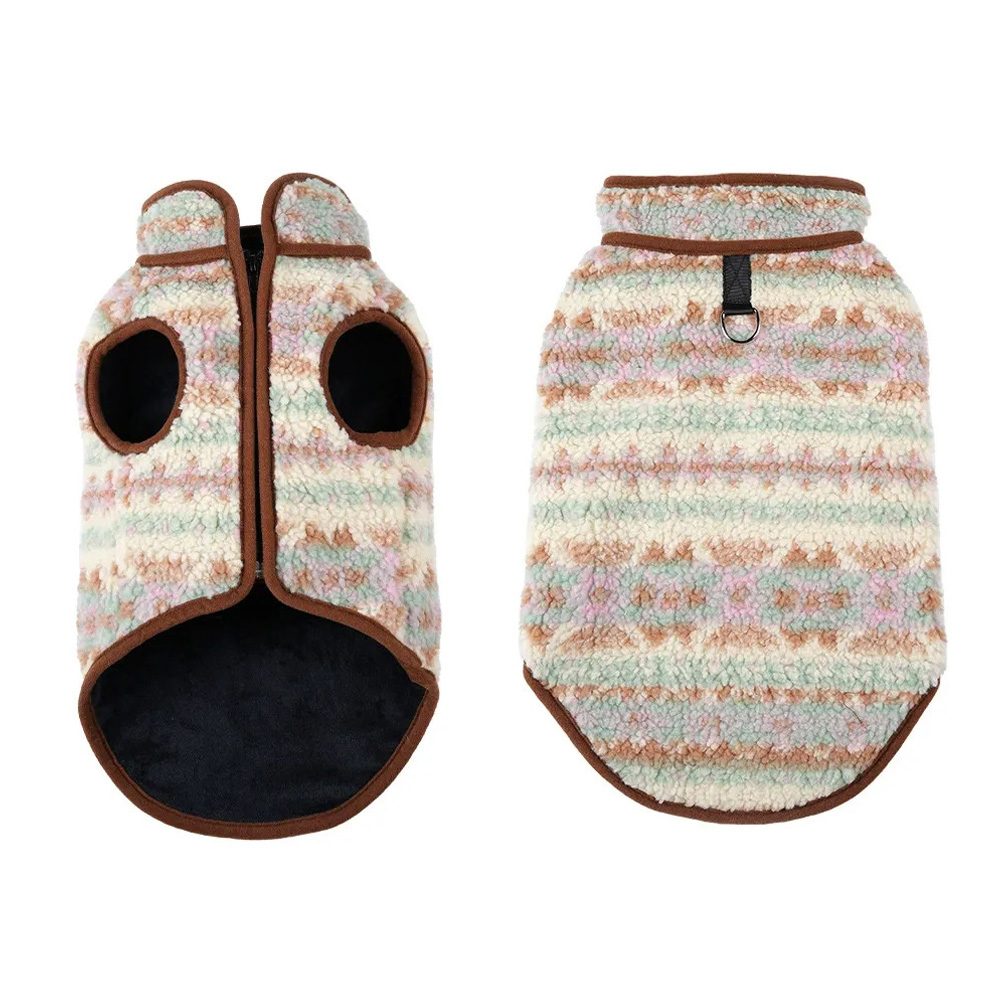
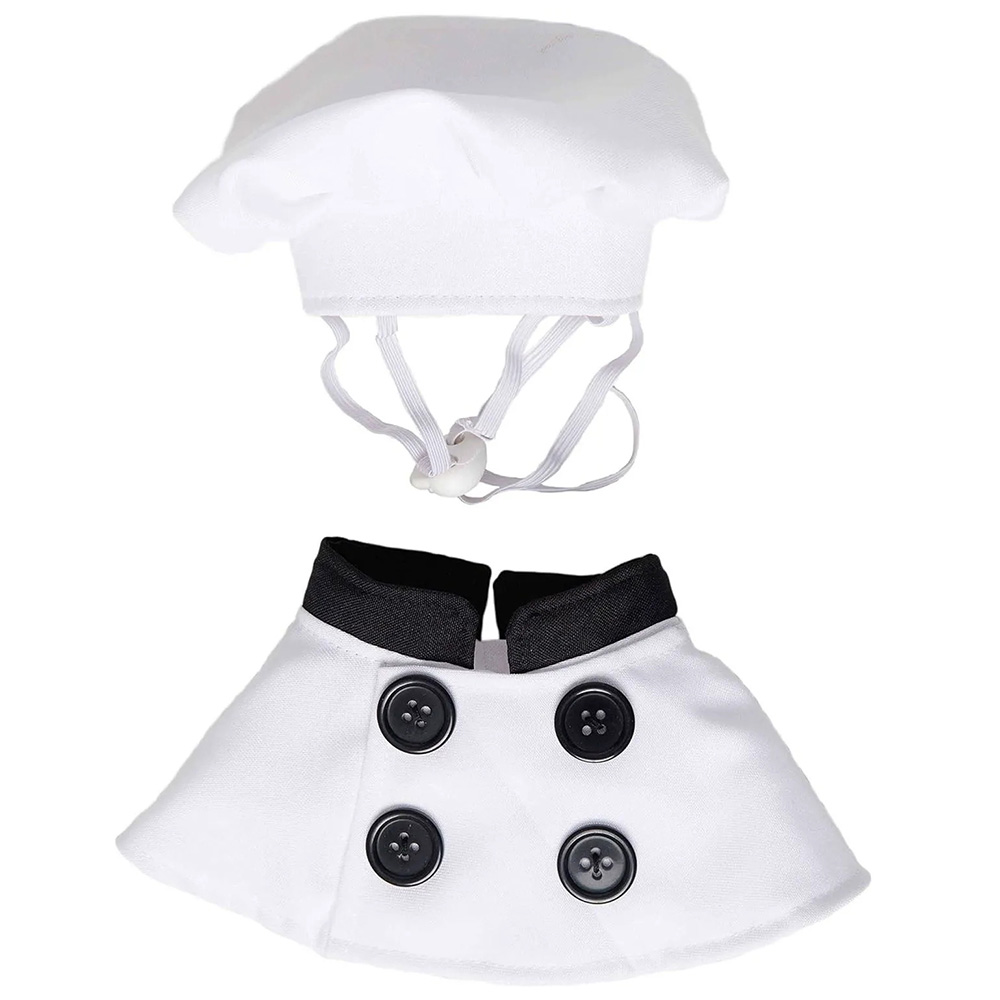
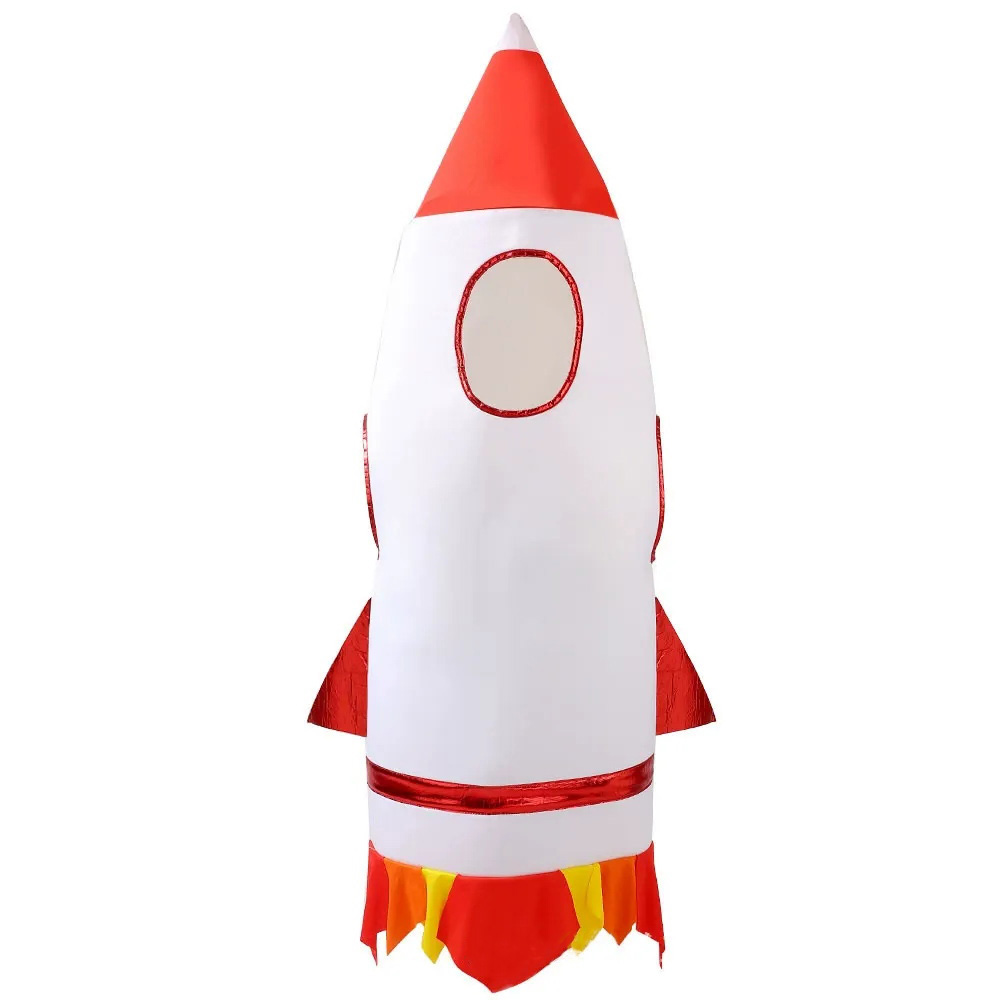
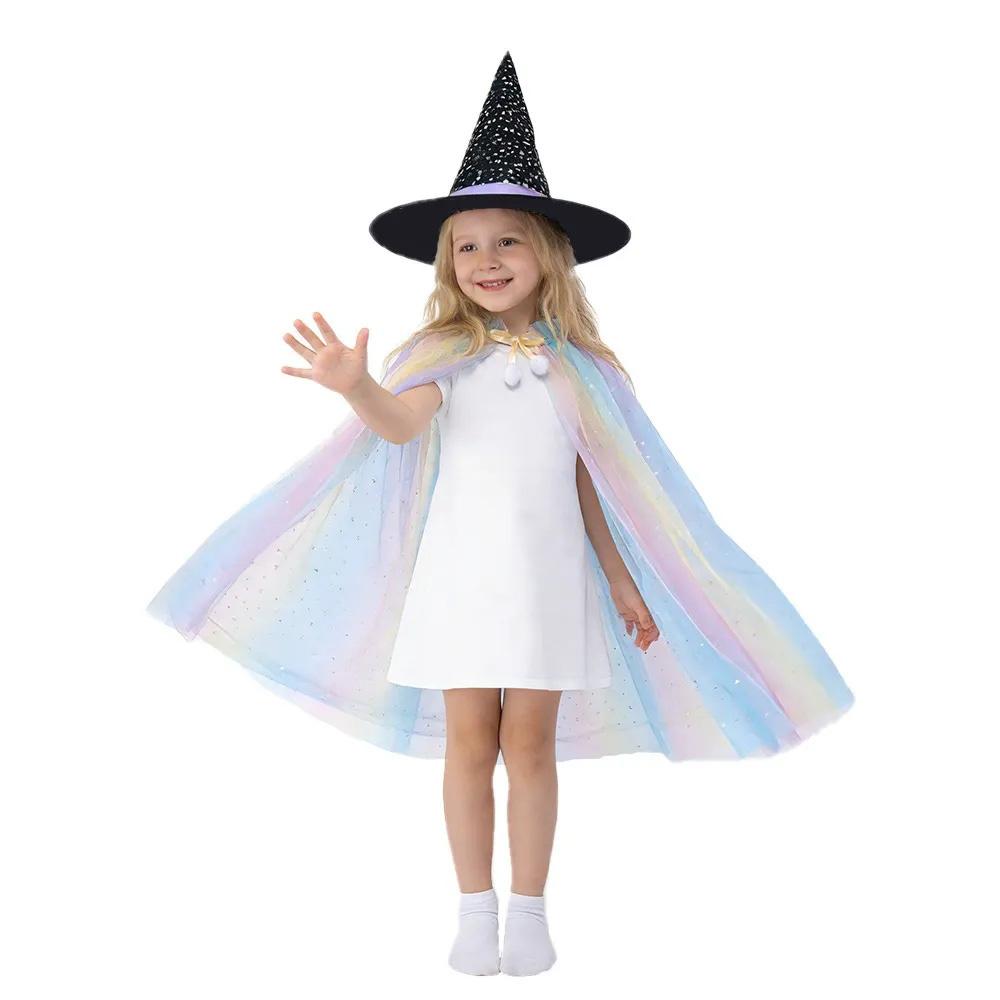
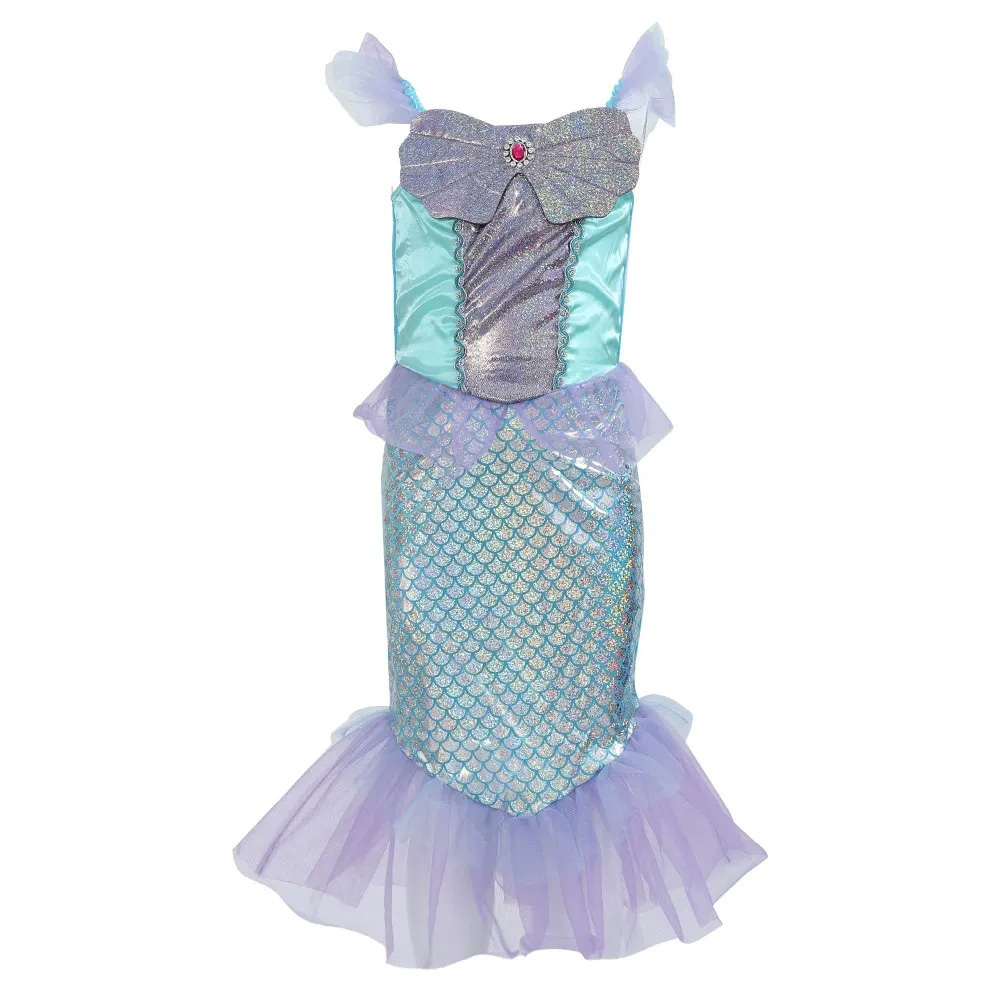
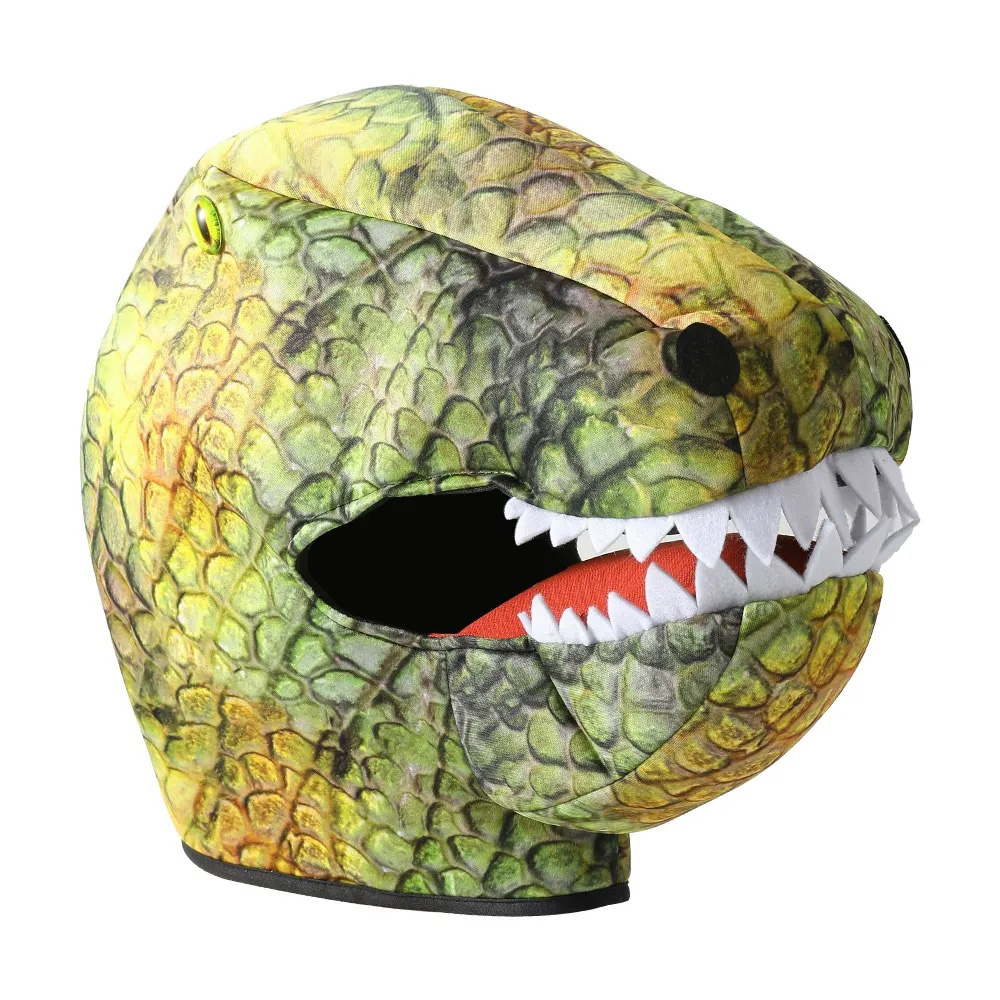
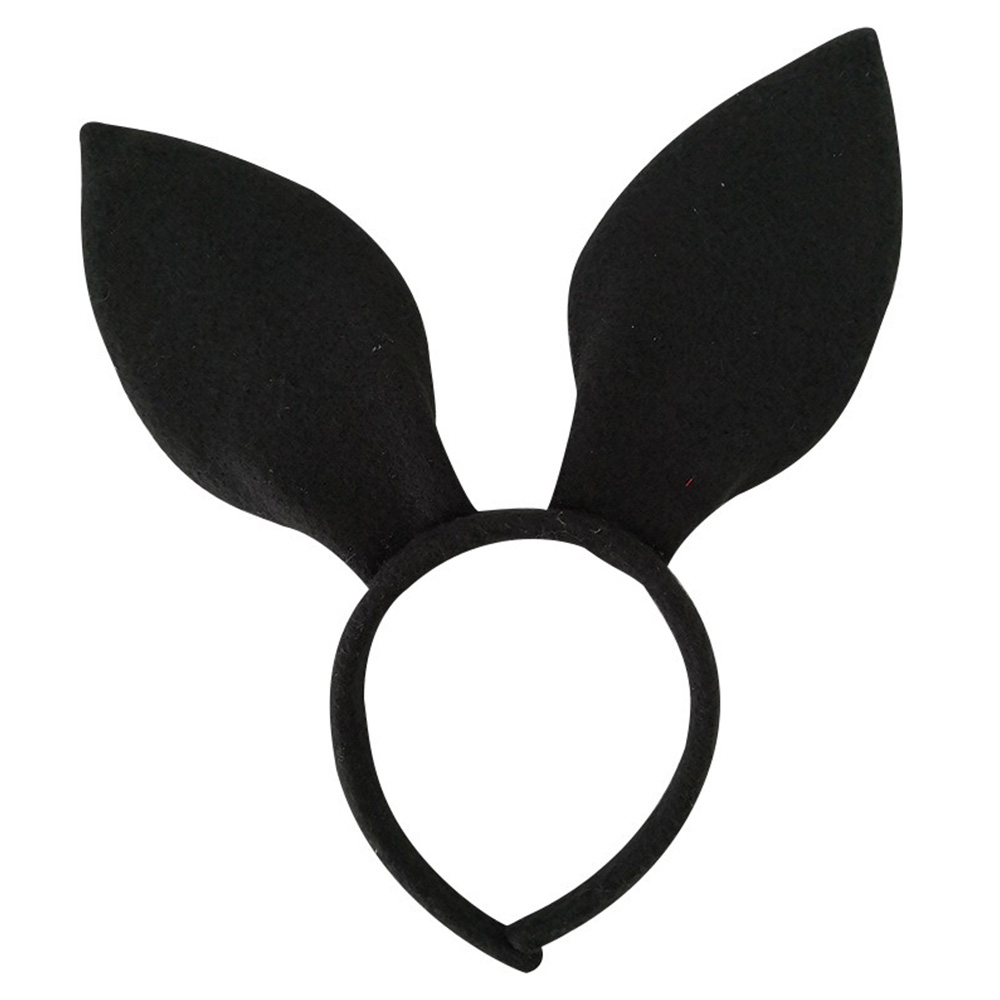
Pet costumes have become a regular feature at seasonal celebrations, photo sessions, and themed gatherings. Pet costume design often prioritizes visual appeal over extended comfort, which raises an important question about how safe these outfits are during long-duration events. Evidence from animal behavior specialists and veterinary safety guidance shows that extended wear introduces several physical and psychological stress factors that are easy to overlook during short try-on sessions.
A pet costume factory typically develops products that balance appearance, cost efficiency, and basic safety standards. However, real-world event conditions—heat, movement, crowd interaction, and noise—can expose weaknesses in costume structure that are not obvious during production testing.
1. Heat Buildup in Multi-Layer Construction
Most pet costumes rely on layered textile systems to achieve shape and decorative effect. These layers often include polyester blends, foam inserts, and decorative overlays.
Typical structure used in many costumes:
- Outer decorative layer: polyester satin or printed fabric
- Middle shaping layer: foam or felt padding
- Inner contact layer: thin synthetic lining
This structure improves appearance but reduces airflow between skin and environment. Heat becomes trapped in enclosed zones such as the chest, neck, and abdomen.
Veterinary safety guidance highlights overheating as a primary risk, especially in non-breathable materials and thicker outfits that restrict airflow around the body . Once heat accumulates, pets have limited ability to regulate temperature effectively under costume coverage.
2. Mobility Restriction and Movement Stress
Event wear often involves walking, sitting, or interacting with unfamiliar environments. Costumes that fit well in a controlled setting may behave differently once the animal starts moving continuously.
Common mobility issues:
- Tight arm or leg openings limiting stride length
- Bodice tension affecting shoulder rotation
- Skirt or accessory drag interfering with gait
Animal welfare guidance notes that costumes restricting normal movement can increase stress and even create accident risk during walking or running .
Even small design mismatches between body shape and costume pattern can create repeated friction points, especially at joints.
3. Fit Variation Across Breeds and Body Shapes
One of the most overlooked issues in costume safety is proportional mismatch. Pet costumes are often graded by general size categories rather than detailed anatomical measurements.
Key fit-sensitive regions:
- Neck circumference alignment
- Chest depth and rib cage expansion
- Back length proportion
A costume that is too tight may compress breathing zones, while one that is too loose may shift during movement and cause tripping or entanglement. Safety reviews emphasize that improper sizing is a major contributor to discomfort and injury risk during wear sessions .
This becomes more pronounced during long events, where small fit errors accumulate into persistent irritation.
4. Sensory Interference and Behavioral Stress
Pets rely heavily on body language and sensory input to interpret their surroundings. Costumes that cover or restrict key sensory areas can disrupt this communication system.
Common interference areas:
- Eye coverage reducing spatial awareness
- Ear coverings muting sound detection
- Mouth restriction affecting panting and cooling
Welfare guidance warns that blocked vision or restricted sensory feedback can increase anxiety and lead to unpredictable behavior in unfamiliar environments .
During crowded or noisy events, reduced sensory clarity can significantly raise stress levels over time.
5. Small Decorative Elements and Safety Hazards
Decorative features improve visual impact but often introduce mechanical risks during extended wear.
Examples include:
- Plastic buttons and beads
- Hanging ribbons or fabric strips
- Detachable accessories like hats or wings
These components may loosen through repeated motion or chewing behavior. Once detached, they can become choking hazards or internal obstruction risks.
Veterinary safety guidance consistently identifies small detachable elements as one of the most preventable costume hazards.
6. Fabric Skin Interaction Over Time
Extended wear increases contact time between fabric and skin, amplifying minor issues that are not noticeable initially.
Common skin-related effects:
- Chafing at seam intersections
- Moisture retention in low-ventilation areas
- Sensitivity reactions to synthetic fibers or detergents
Some pets may also develop irritation or allergic responses to fabric finishes or washing agents used on costumes .
These reactions tend to appear gradually during longer sessions rather than immediately after dressing.
7. Duration-Dependent Stress Accumulation
Short costume use often appears harmless, which can create the impression that longer wear is equally safe. Real-world behavior patterns show a different outcome.
Over time, multiple stress factors combine:
- Rising body temperature reduces tolerance
- Continuous movement increases friction
- Environmental noise amplifies anxiety
- Limited ability to remove costume increases frustration
Even pets that initially tolerate costumes may begin showing signs of discomfort such as restlessness, pacing, or attempts to remove clothing as time progresses .
Event duration becomes a critical variable in determining safety, not just costume design itself.
Pet costumes can be safe for brief, supervised use, especially in controlled environments. Extended wear during active events introduces layered risks tied to heat, mobility, fit precision, and sensory restriction. Understanding how these factors interact helps explain why comfort often decreases as event time increases, even when the costume appears well-made at first glance.
 English
 日本語
日本語
 русский
 Français
 Español