English
 日本語
日本語
 русский
 Français
 Español
Country Style: Classic rural design with lace trim and ribbon bows, bringing a w...

A princess dress is often defined by its dramatic silhouette. Full skirts, layered fabrics, and elegant volume create the appearance associated with fairy tales, stage performances, birthday celebrations, and themed events. Yet many buyers notice that some dresses lose their original shape after only a few wears. A skirt that appeared beautifully structured at purchase may become flat, uneven, or less impressive over time.
A professional princess dress factory pays close attention to shape retention because the visual profile of the garment is one of its primary selling points. The ability of a dress to maintain volume depends on several technical factors, including fabric selection, layer construction, stitching methods, and storage conditions.
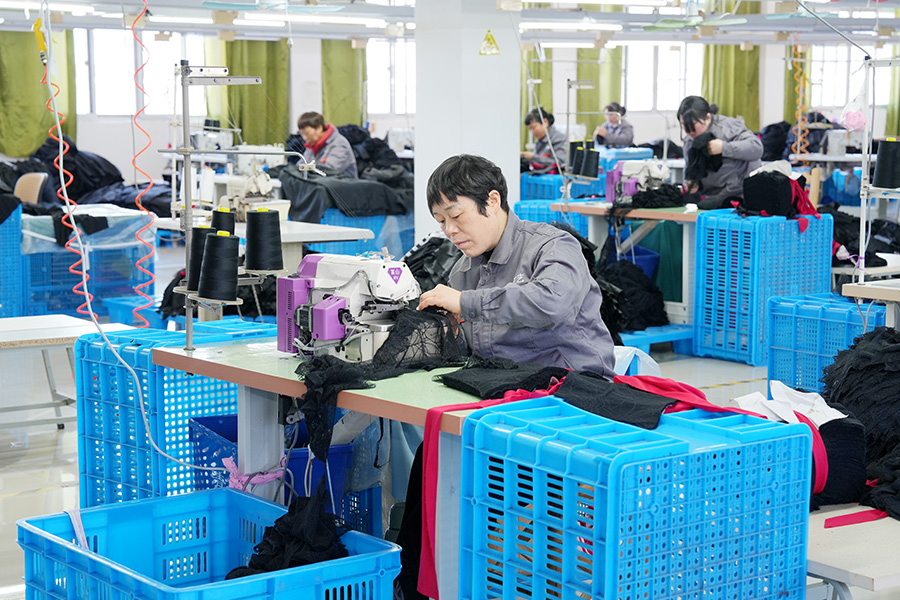
Many consumers assume the outer fabric determines how a princess dress looks. In reality, internal construction has a much greater impact on long-term shape stability.
Several structural components work together:
Tulle support layers
Mesh reinforcement panels
Built-in petticoat systems
Hemline balancing structures
Waist-to-skirt attachment design
A dress may feature luxurious satin or decorative lace on the outside, yet still struggle to maintain volume if the supporting layers are insufficient.
Garments with multiple structured layers generally provide better shape consistency during movement and storage.
Tulle serves as one of the primary materials responsible for creating skirt fullness.
Common tulle specifications include:
20D to 40D lightweight tulle
50D to 70D medium-support tulle
80D and above high-support tulle
Lower-density tulle offers softness and flexibility but may collapse more easily after compression. Higher-density versions create stronger support and improved recovery after folding or transportation.
A balanced combination of softness and rigidity often produces the desired visual effect without making the skirt excessively stiff.
The number of layers inside a princess dress directly influences silhouette performance.
Typical constructions include:
Two-layer entry-level designs
Three to five-layer event dresses
Six-layer and above performance-grade garments
Additional layers create internal support that distributes weight more evenly throughout the skirt.
This structure helps reduce localized collapse around the hem and prevents uneven volume distribution after extended wear.
Layer count alone is not enough, however. Proper spacing between layers is equally important.
Stitching is often overlooked because it remains hidden from view.
Several construction techniques contribute to shape retention:
Gathered seam reinforcement
Multi-point waistband attachment
Elasticized support channels
Double-lock seam construction
Poor stitching can allow layers to shift independently during movement. Over time, this causes asymmetrical volume and uneven draping.
A well-engineered princess dress uses stitching not only to join materials but also to stabilize the garment's overall structure.
Modern princess dresses frequently incorporate decorative features such as:
Sequins
Pearls
Rhinestones
Embroidery
Metallic trims
These additions enhance visual appeal but also increase skirt weight.
Excessive decorative loading may pull fabric downward and reduce natural fullness. The effect becomes more noticeable after repeated wear cycles.
Balanced decoration placement helps maintain visual elegance without compromising structural performance.
Shape loss sometimes occurs before the dress is even worn.
Common transportation factors include:
Vacuum compression
Tight packaging
Long shipping durations
Excessive stacking pressure
Multi-layer skirts can remain compressed for weeks during logistics processes.
Once unpacked, support layers often require time to recover. Steam treatment and gentle reshaping frequently restore much of the original volume.
Packaging methods therefore play a significant role in the final appearance received by the customer.
Environmental exposure can gradually affect fabric behavior.
Important factors include:
Humidity fluctuations
Temperature changes
Storage ventilation
Fabric moisture absorption
Extended exposure to damp environments may reduce stiffness in support materials, causing skirts to appear flatter than intended.
Dry, well-ventilated storage conditions help preserve structural integrity and improve long-term performance.
Every movement places small amounts of stress on support layers.
Over time, repeated activities such as:
Walking
Sitting
Dancing
Twirling
Folding
create cumulative fatigue within the garment structure.
Support materials eventually lose part of their original resilience, particularly in dresses used frequently for performances or special events.
High-quality reinforcement layers generally slow this process and provide greater durability.
The long-term appearance of a princess dress depends on far more than decorative beauty. Internal support systems, layer architecture, tulle specifications, stitching quality, and environmental exposure all contribute to silhouette stability.
A carefully designed princess dress factory production process focuses on structural engineering as much as visual styling. Dresses that maintain their volume over time typically combine balanced material selection with thoughtful construction techniques.
As customer expectations continue to evolve, shape retention remains one of the key indicators of product quality, helping transform a beautiful dress into a garment that continues to impress long after its initial wear.
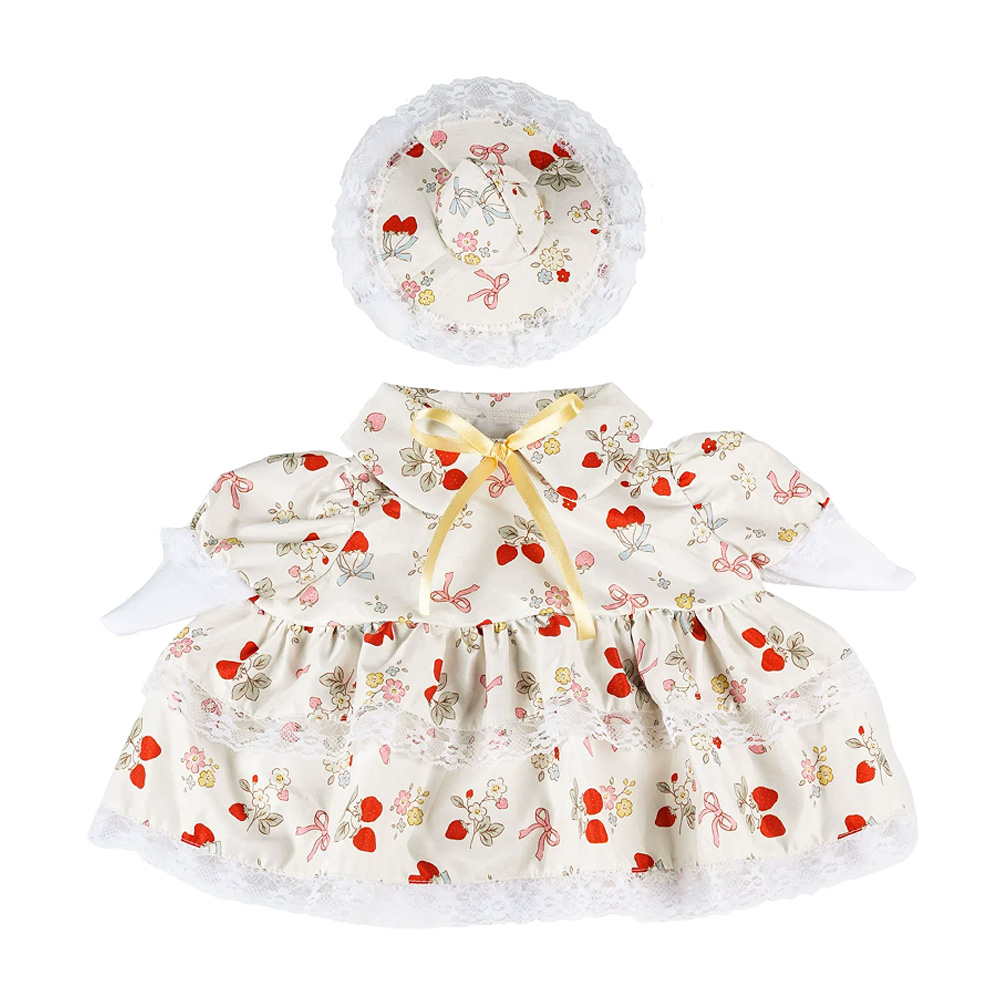
Country Style: Classic rural design with lace trim and ribbon bows, bringing a w...
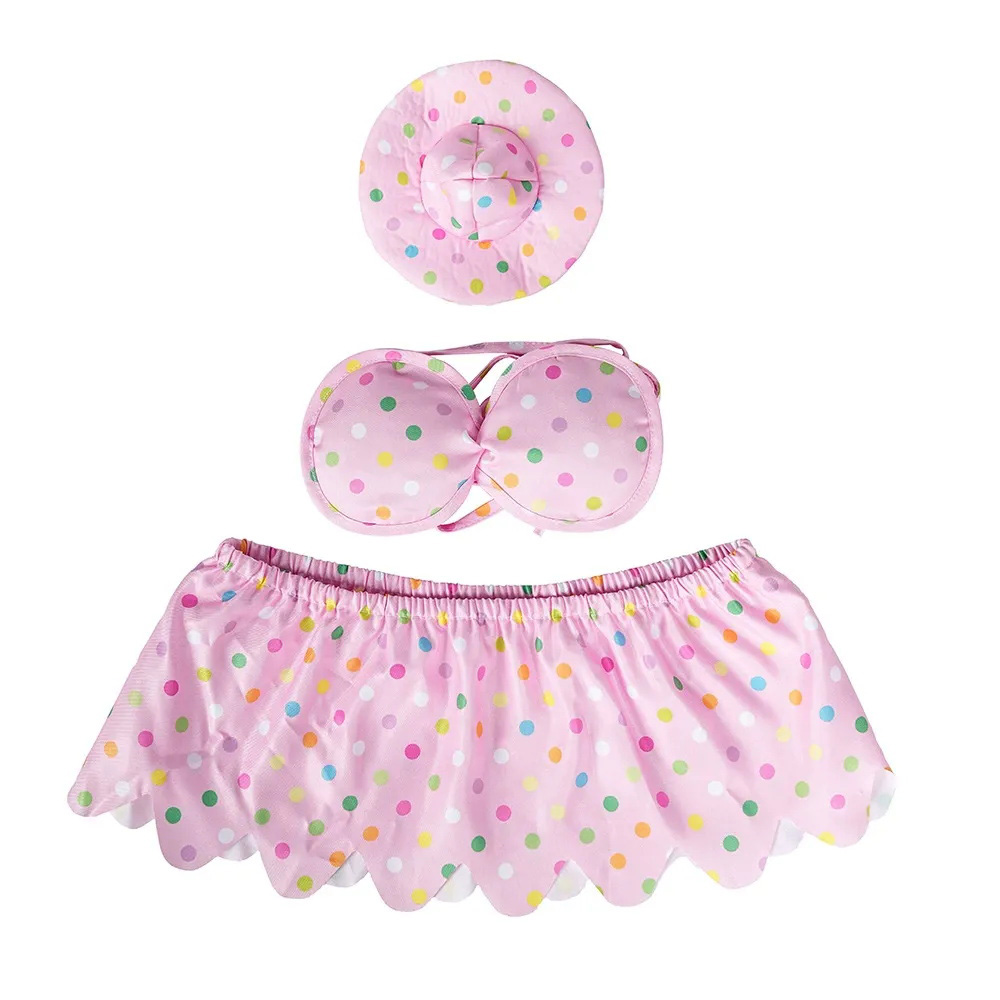
Hawaiian Style: Bring tropical vibes to your garden with this colorful Hawaiian ...
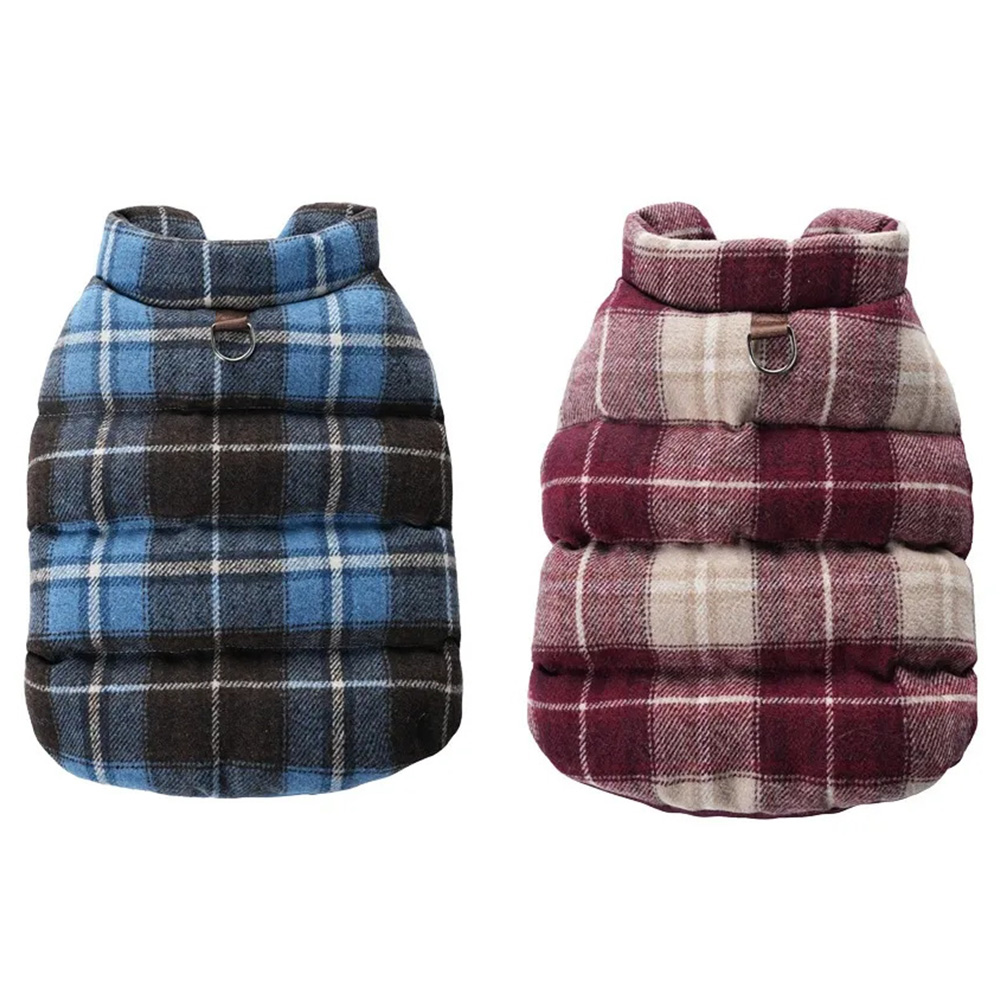
British Plaid Style: Classic plaid pattern creates a fashionable winter look for...
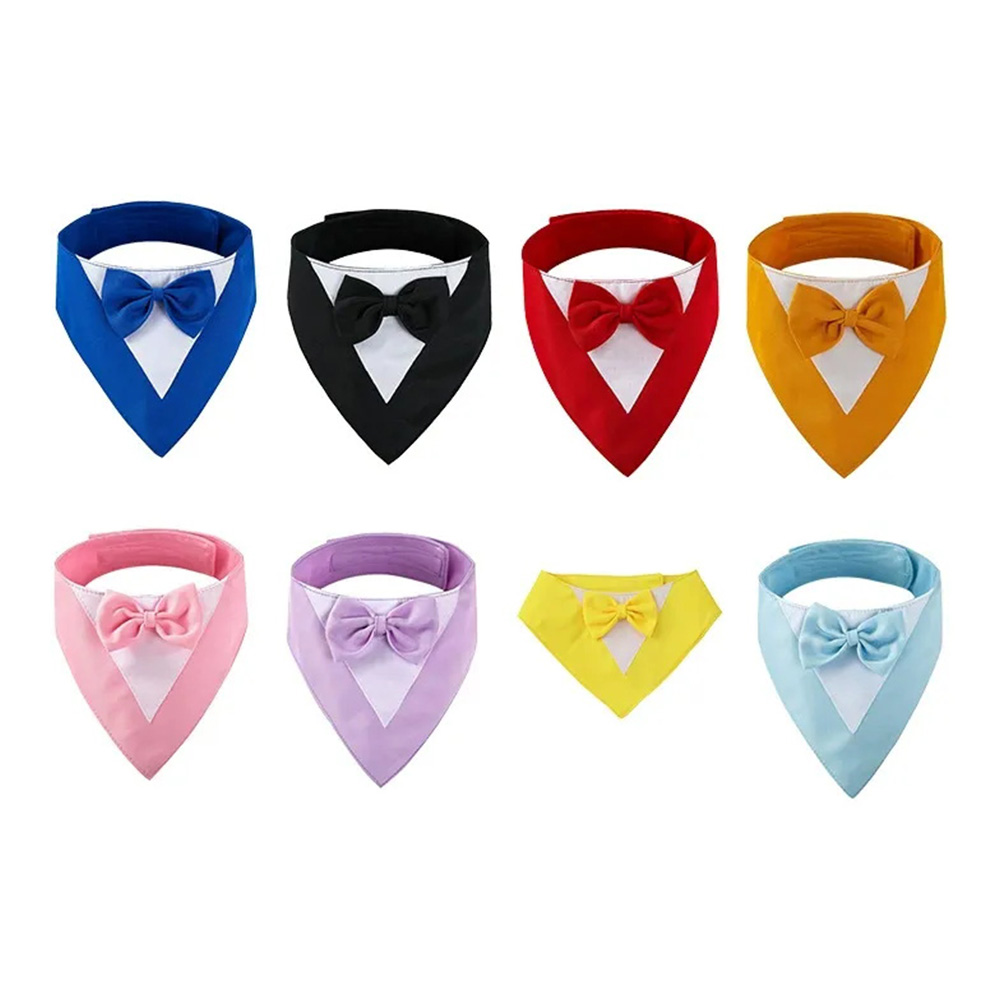
British Vintage Style: Inspired by classic gentleman fashion, this tuxedo-style ...
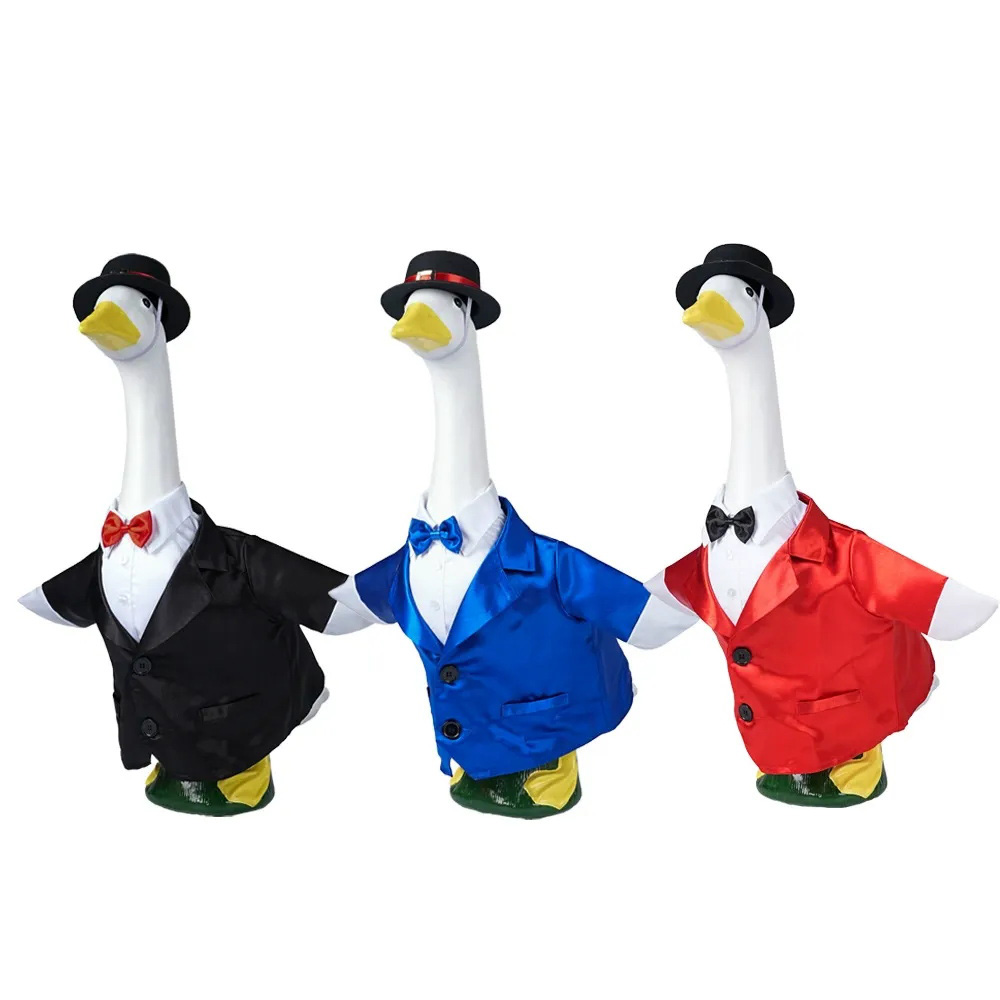
Wedding Groom Style: Classic tuxedo design transforms porch goose decorations in...
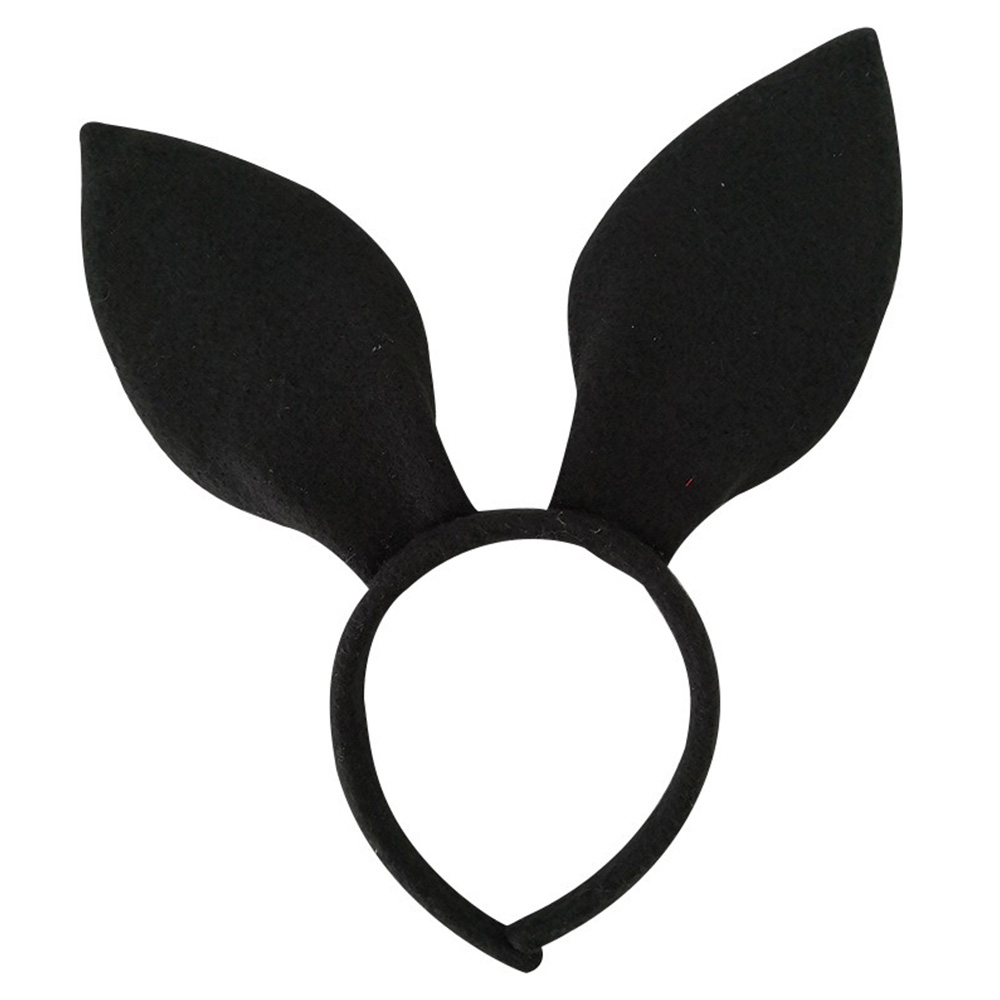
Easter Celebration Accessory: Perfect for adding festive charm to your Easter ev...
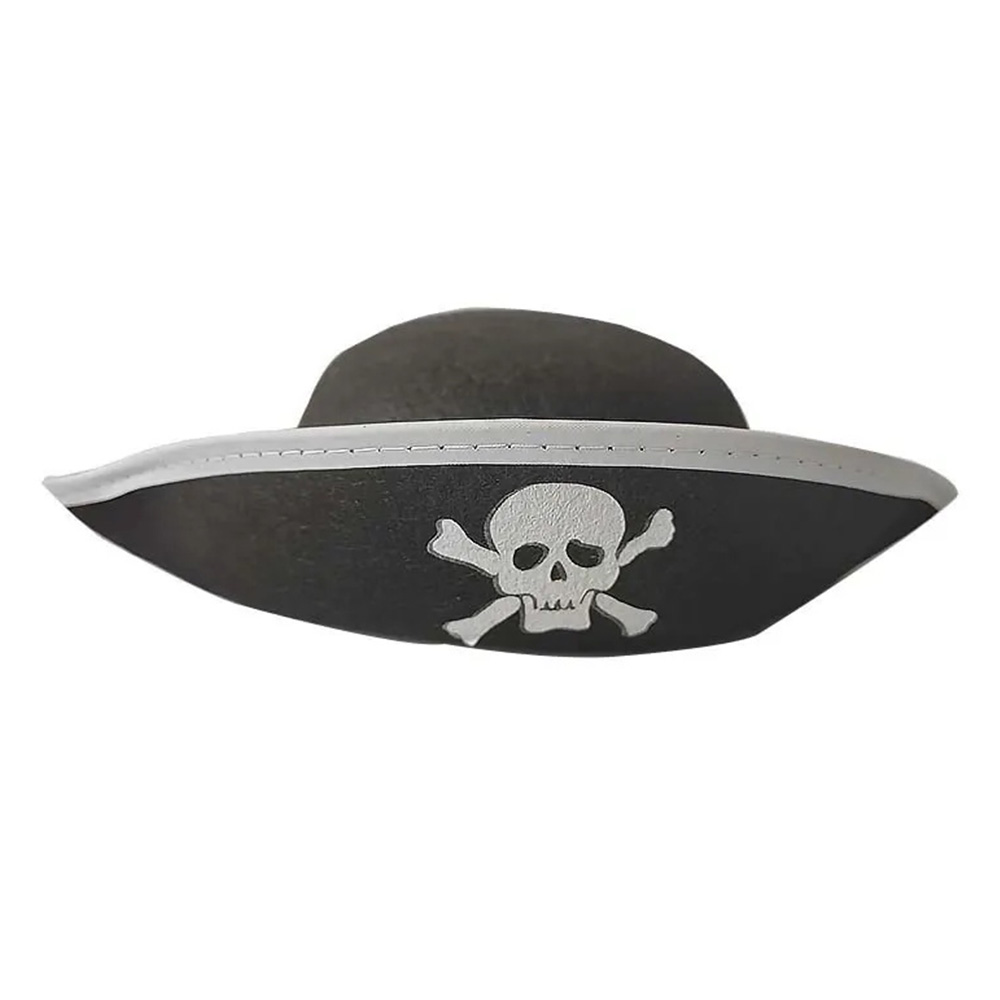
Pirate Adventure Theme: Classic pirate hat for swashbuckling fun.Skull & Cro...
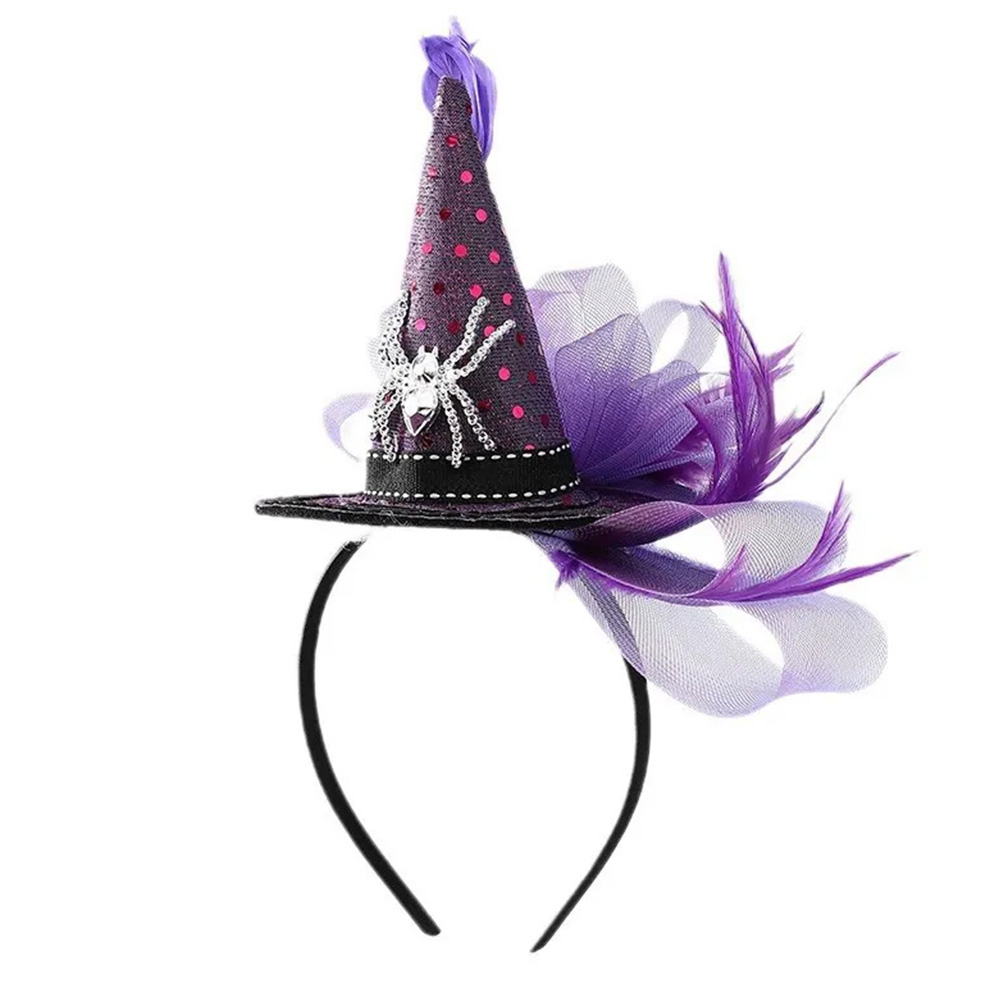
Witch & Spider Fusion: Stylish headband blending spooky and chic.Polyester F...
QUICK LNKS
PRODUCTS
CONTACT
No.19 Shanghu Industrial Function Zone, Panan County, Zhejiang, China.
(+86) 579-84882425
(+86) 13857944344
Mobile Web