English
 日本語
日本語
 русский
 Français
 Español
Extended Neck Protection: Lengthened collar helps prevent the pet’s neck from co...

Pet costumes have become a popular choice for seasonal celebrations, themed events, and social media photoshoots. Cute designs, character-inspired outfits, and holiday styles attract many pet owners who want to create memorable moments with their animals. However, appearance is only one part of a successful pet costume. Comfort, movement, material safety, and construction quality determine whether an outfit provides a positive experience.
Safety concerns around pet costumes often focus on restricted movement, unsuitable fabrics, loose decorations, and poor sizing. Veterinary organizations have highlighted that costume design should consider factors such as breathing ability, mobility, vision, and individual pet tolerance.
A professional pet costume manufacturer needs to balance creative appearance with practical functions, ensuring that seasonal outfits are attractive while remaining suitable for short-term wear and photography applications.
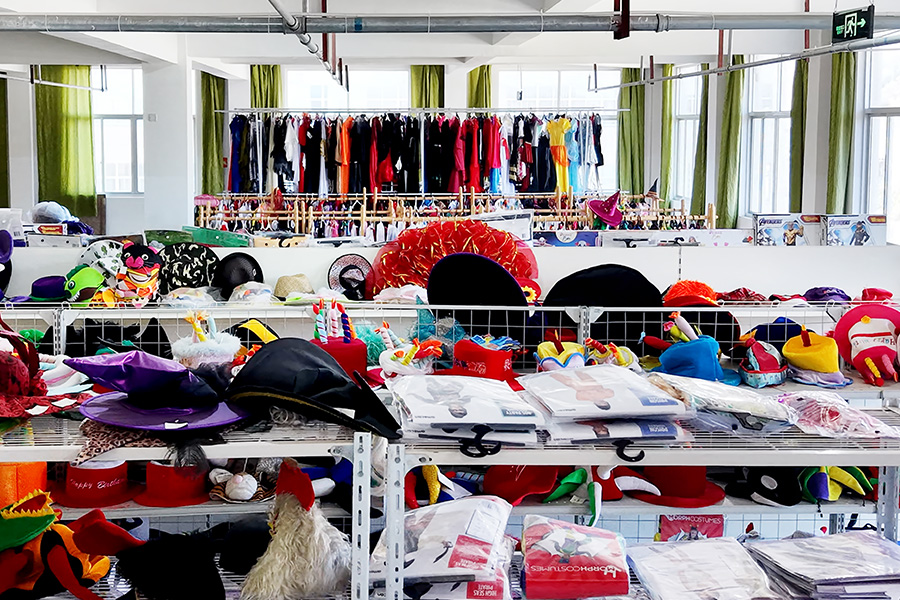
Unlike human clothing, pet costumes must adapt to four-legged body movement. Dogs and cats move differently from people, with greater dependence on shoulder movement, leg flexibility, and body balance.
A costume with an attractive design may still create problems if the structure does not match animal movement patterns.
Functional patterns are especially important for costumes used during outdoor activities. A design that looks impressive but limits normal movement may create discomfort and reduce the pet’s willingness to wear it.
Material choice is a major factor affecting whether a pet costume is suitable for seasonal use. Different environments require different textile properties.
Many costume products use polyester fabrics, mesh layers, fleece, cotton blends, or soft lining materials. Each material provides different levels of breathability, softness, and durability.
Poor fabric choices may trap heat, cause irritation, or make pets uncomfortable after extended wearing. Guidance from animal health organizations recommends considering fabric quality and weather conditions before using seasonal costumes.
Many pet costumes rely on decorative details to create a strong visual effect. Hats, bows, buttons, ribbons, wings, and character accessories can improve appearance, but they also require careful construction.
Loose components may become unsafe during wearing because some pets naturally chew, scratch, or investigate unfamiliar objects.
Costume safety recommendations commonly mention avoiding dangling or easily removable parts that may create choking risks.
Pet body shapes vary greatly between breeds. A small dog does not always have the same proportions as another small dog. Neck length, chest width, back length, and leg position can differ significantly.
A costume that is too tight may restrict movement, while an oversized outfit may shift during walking or create a tripping risk.
Reliable sizing systems usually include:
Professional manufacturers often develop multiple size patterns instead of relying on simple small, medium, and large categories. This approach improves compatibility across different breeds and reduces customer fitting problems.
Costumes used for photography have different requirements compared with outfits worn during outdoor activities. A photo session may only last several minutes, but the costume still needs to maintain comfort during preparation and shooting.
Popular photoshoot-focused designs often include:
However, short usage time does not mean safety can be ignored. Even during a quick photoshoot, pets should be able to breathe normally, move naturally, and show comfortable behavior.
Holiday costumes are often connected with specific seasons, such as Halloween, Christmas, or outdoor festivals. Weather conditions influence material requirements and overall comfort.
A seasonal costume should match both the event environment and the pet’s individual tolerance level.
Behind a safe pet costume is a combination of material testing, pattern development, and production control. Small manufacturing details can influence the final user experience.
A reliable production process helps create costumes that maintain appearance while offering better comfort during real usage.
Pet costumes continue to attract attention because they combine seasonal fun with memorable photography opportunities. However, successful designs need more than attractive appearance.
The combination of suitable materials, flexible structures, accurate sizing, and secure details allows costumes to perform better during real situations. A thoughtful design approach helps pets participate in celebrations without unnecessary discomfort.
As demand for personalized pet products continues to grow, the role of experienced manufacturers will become increasingly important. The future of pet costumes will depend on creating designs that respect animal comfort while delivering the creative styles owners enjoy.
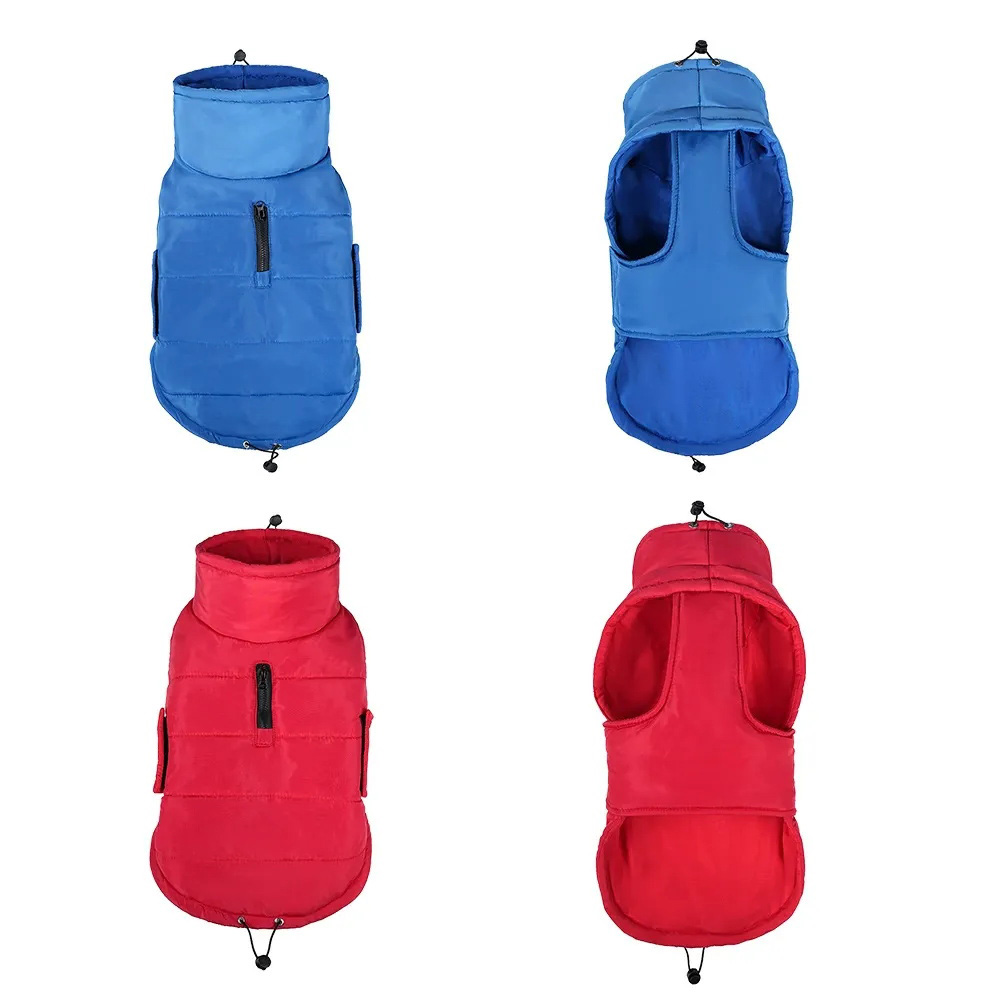
Extended Neck Protection: Lengthened collar helps prevent the pet’s neck from co...
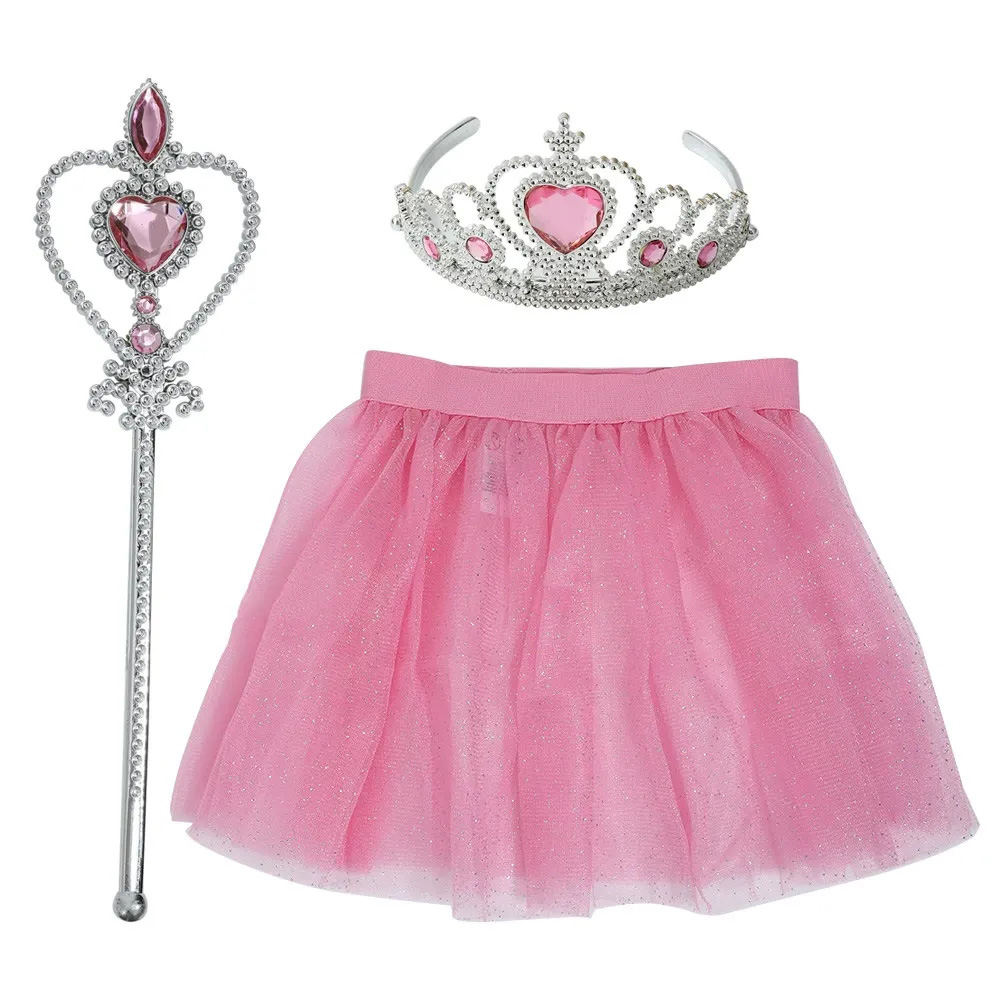
Complete Princess Set: Includes tutu skirt, tiara crown, and magic wand for a fu...
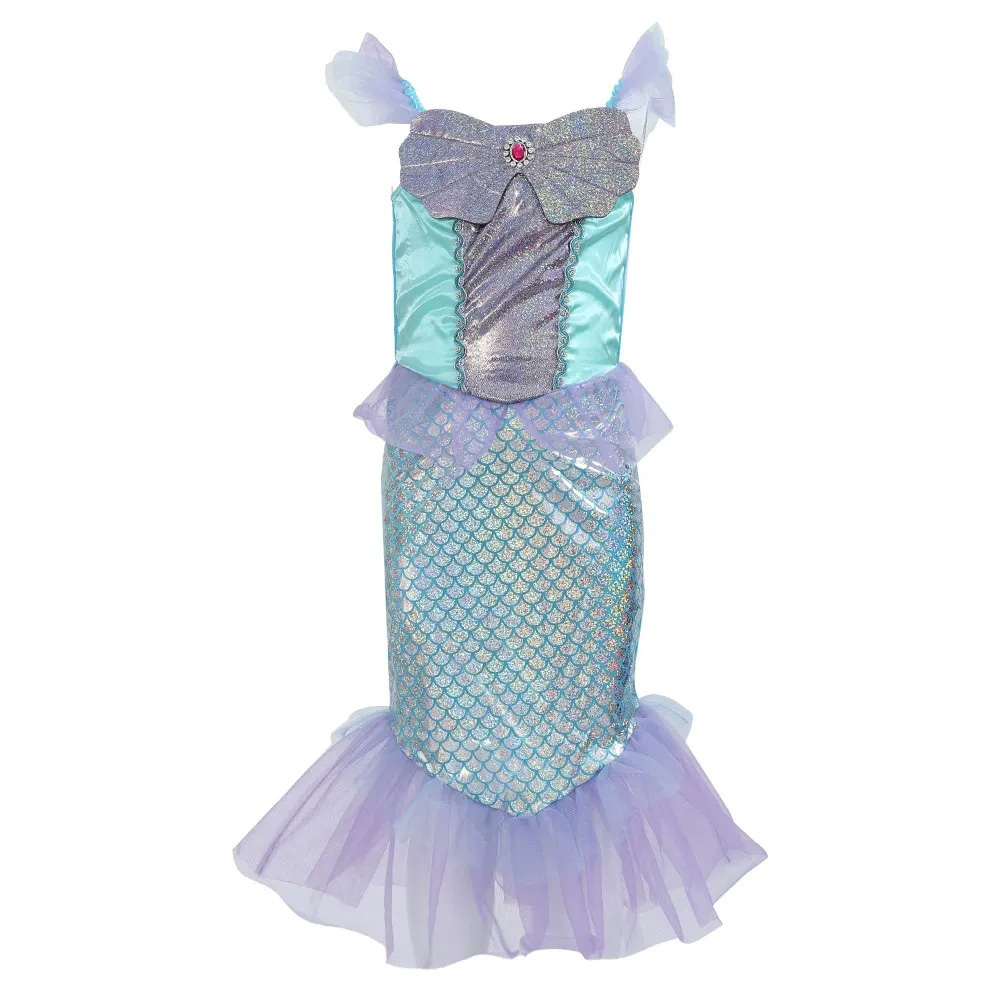
Mermaid Inspired Design: Fish scale patterns create a magical underwater princes...
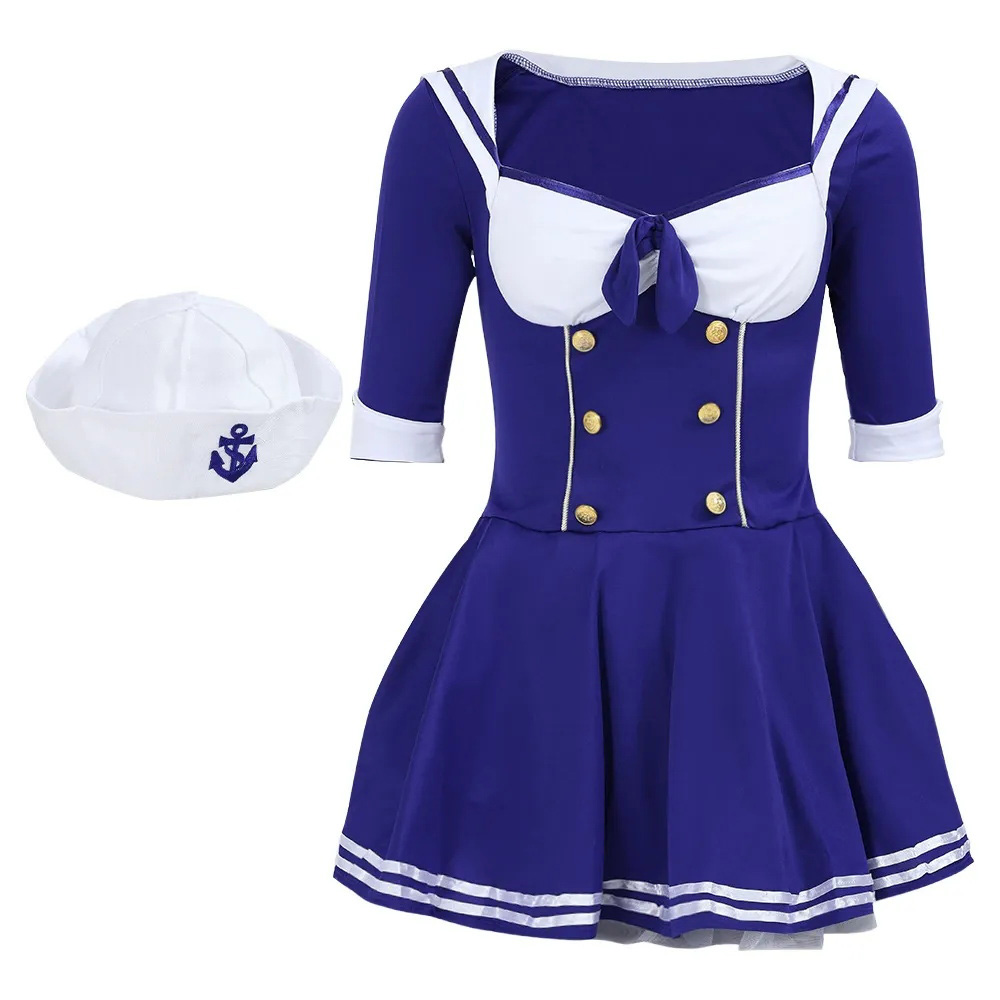
Classic Navy Style: Inspired by traditional sailor uniforms with a modern fashio...
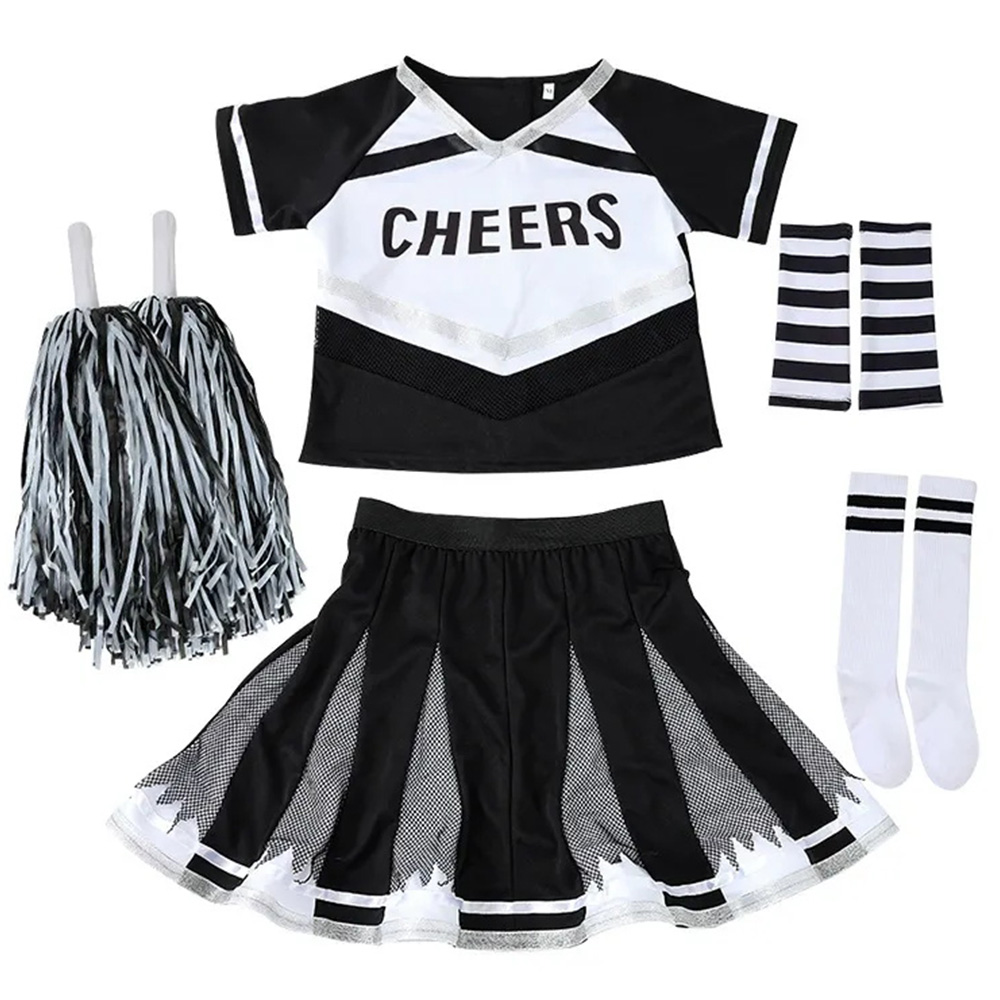
Bold Black Aesthetic: Sleek team spirit look for dynamic performances.Comfortabl...
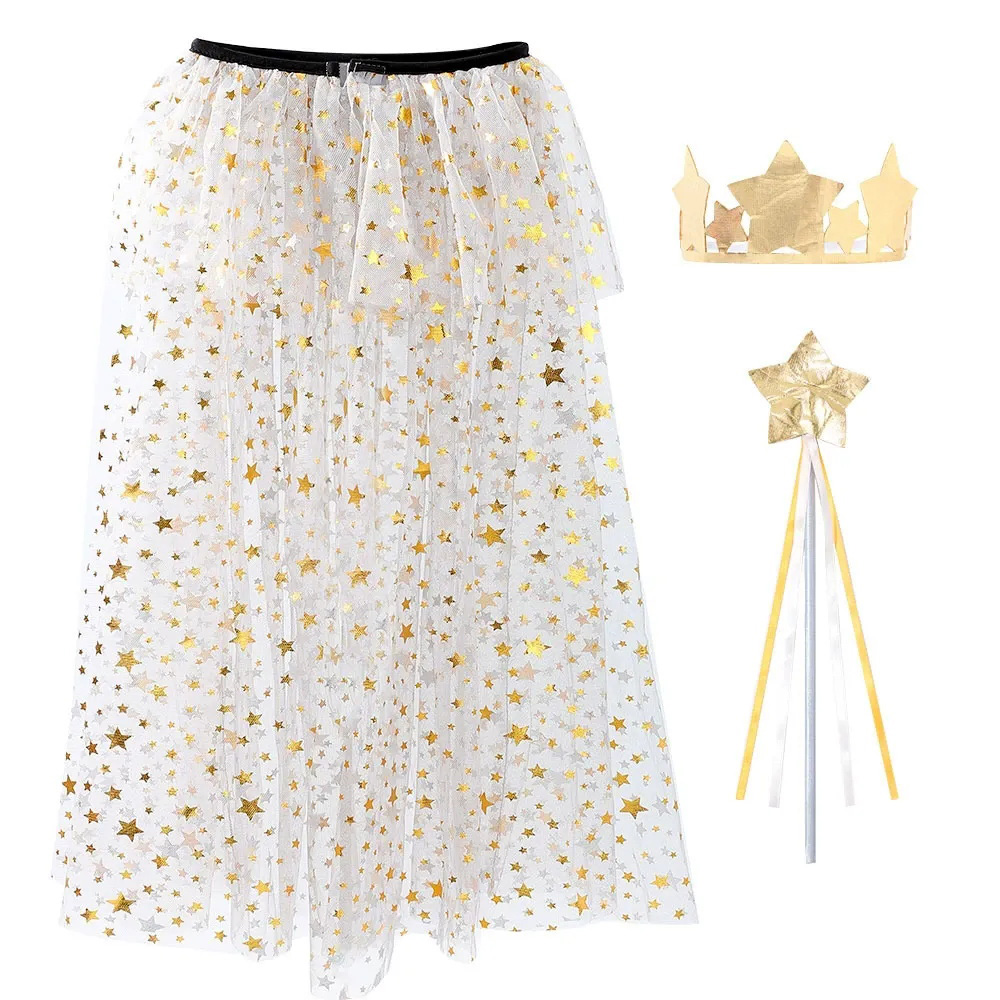
Star-Studded Glamour: Sparkling star accents brighten every movement.Multi-Layer...
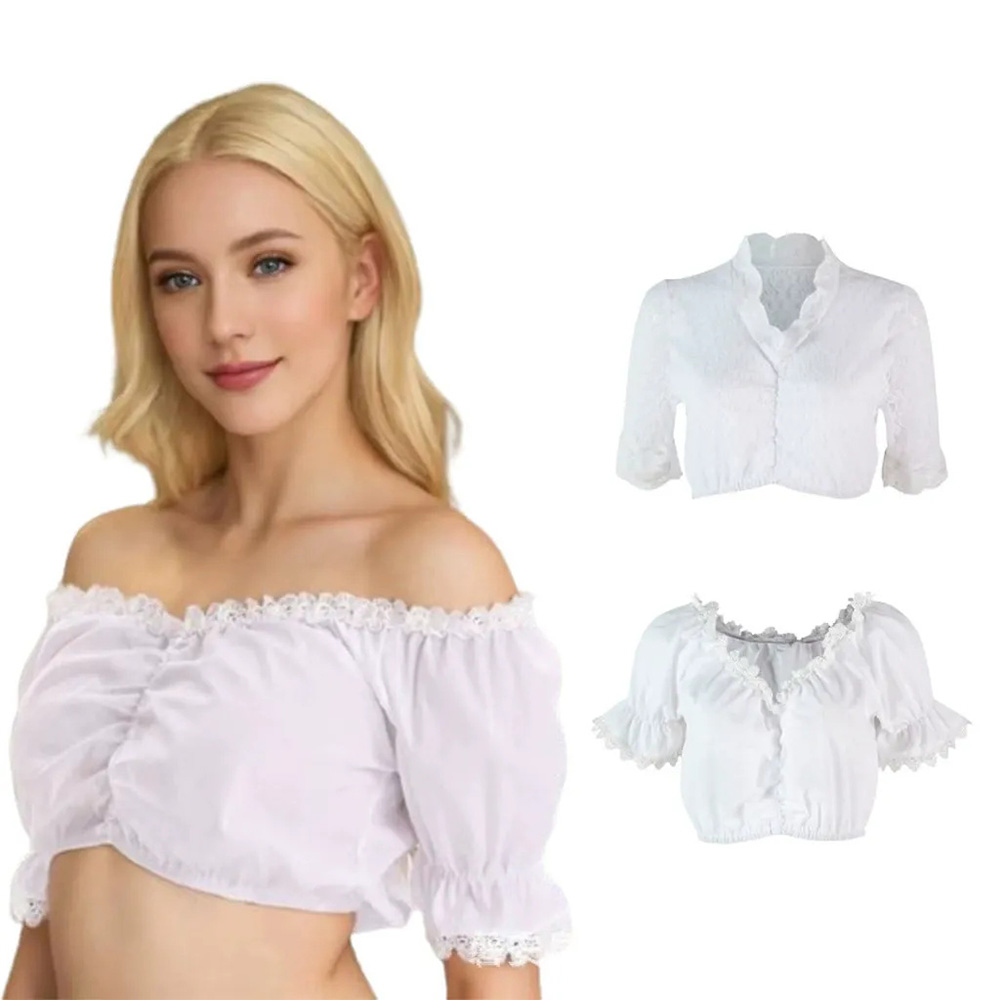
Elegant Lace: Hollow lace pattern adds a romantic and delicate touch.Comfortable...
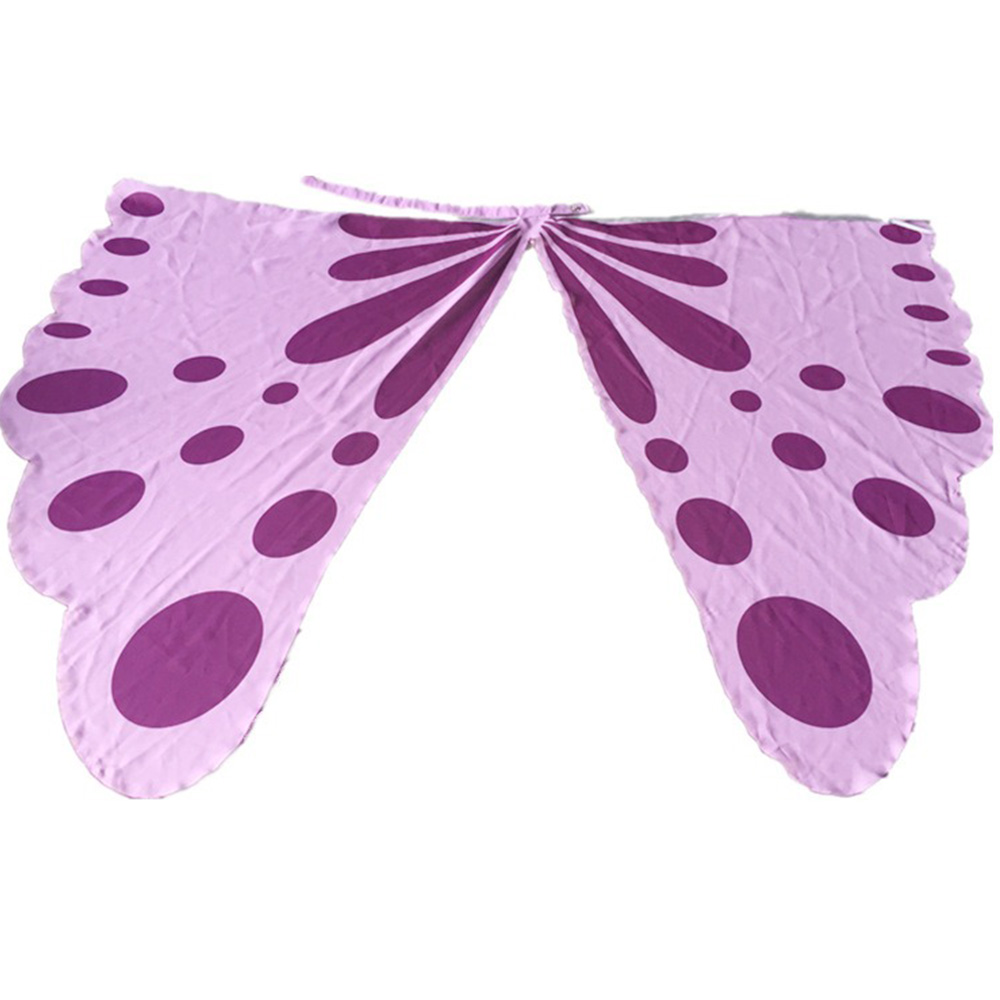
Magical Design: Vibrant purple wings bring fairy tale charm to performances.Ligh...
QUICK LNKS
PRODUCTS
CONTACT
No.19 Shanghu Industrial Function Zone, Panan County, Zhejiang, China.
(+86) 579-84882425
(+86) 13857944344
Mobile Web