English
 日本語
日本語
 русский
 Français
 Español
Wedding Style: Elegant tuxedo design ideal for weddings, parties, and formal occ...

Dog clothing has changed from simple decorative accessories into practical apparel designed to support pets during daily activities. Modern pet owners are paying closer attention to comfort, mobility, weather protection, and ease of use instead of focusing only on appearance.
A well-designed dog garment needs to work with the animal’s natural movement. Unlike human clothing, pet apparel must consider four-legged body structures, different breed proportions, fur coverage, and activity patterns. Recent research has explored how dog apparel performance is affected by body size, movement, and fabric type, showing that garment pressure and material properties can influence overall wearing comfort.
A professional dog clothes factory focuses on combining functional construction with suitable materials to create clothing that supports everyday activities while maintaining a comfortable fit.
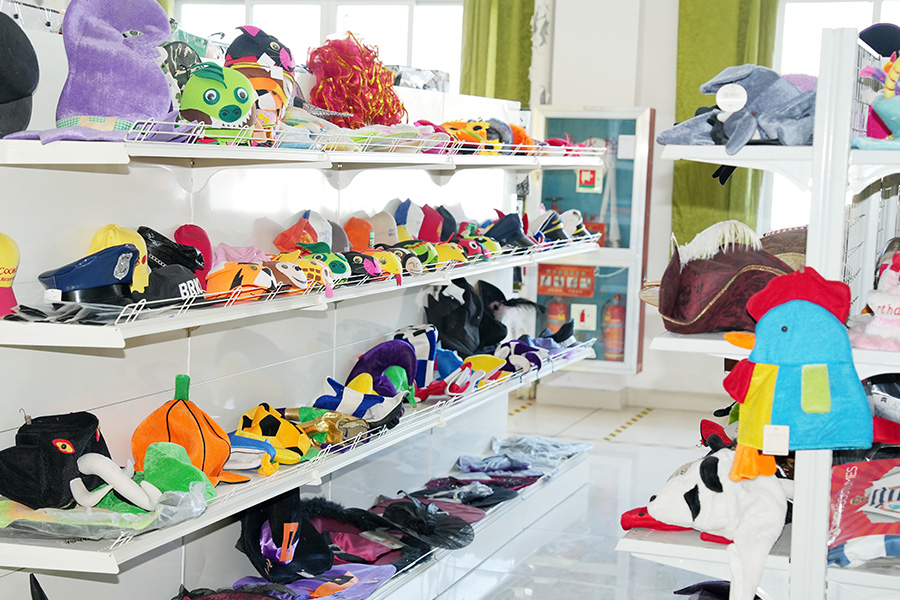
One of the biggest challenges in dog clothing design is maintaining freedom of movement. Dogs frequently run, jump, stretch, sit, and turn their bodies during daily activities. Poorly designed garments may restrict shoulder movement or create pressure around the chest area.
Functional pattern development is especially important for active breeds that spend more time outdoors. A jacket or vest should stay stable during movement without creating unnecessary pulling around the neck or abdomen.
Fabric performance directly affects whether a dog accepts clothing for extended periods. Different environments require different textile solutions. Lightweight materials are commonly used for warm seasons, while insulated fabrics provide additional protection during colder weather.
Common material combinations include:
Material selection needs to balance softness, durability, cleaning requirements, and environmental conditions. Studies using simulated dog apparel models have also examined how fabrics such as cotton, mesh, and padded materials influence clothing pressure distribution during different movements.
Dogs vary significantly in body shape. A Dachshund, Bulldog, Poodle, and German Shepherd may require completely different garment structures even with similar weight ranges.
Functional clothing designs often include adjustable components to improve compatibility across different breeds.
These features reduce sizing problems and help retailers offer products that suit a wider customer base.
Outdoor dog clothing is often purchased because owners need protection from environmental conditions. A raincoat, winter jacket, or cooling vest requires more than attractive styling.
Different functional details improve real-world performance:
The growing demand for seasonal petwear shows that owners increasingly expect clothing to provide practical benefits rather than only decorative value.
Functional performance is not limited to the dog’s comfort. Owners also care about how quickly and easily clothing can be put on, removed, and cleaned.
Complex designs may look attractive but create difficulties during everyday use. Practical solutions include:
Simple operation increases the chance that owners will continue using the product regularly.
Functional dog clothing should also consider safety during movement. Decorative elements need secure attachment, and garment structures should avoid creating unnecessary risks.
Important safety considerations include:
Pet clothing should support natural behavior rather than prevent dogs from moving comfortably. Veterinary and pet care discussions also emphasize that clothing should fit properly and respect individual animal comfort levels.
Behind every functional pet garment is a combination of fabric testing, pattern development, and manufacturing control. Small details during production can influence durability and user satisfaction.
A reliable manufacturing process may include:
These steps help create products that maintain appearance and function after repeated use.
Dog clothing continues to move toward a balance between appearance, comfort, and practical performance. Customers now expect products that fit properly, support movement, and handle real daily conditions.
Functional design gives pet apparel greater value by connecting fashion with usability. From breathable fabrics and adjustable structures to weather-resistant materials and durable construction, every detail contributes to a better wearing experience.
As the pet industry continues to develop, manufacturers that understand animal movement and practical needs will have more opportunities to create clothing that performs beyond visual appeal.
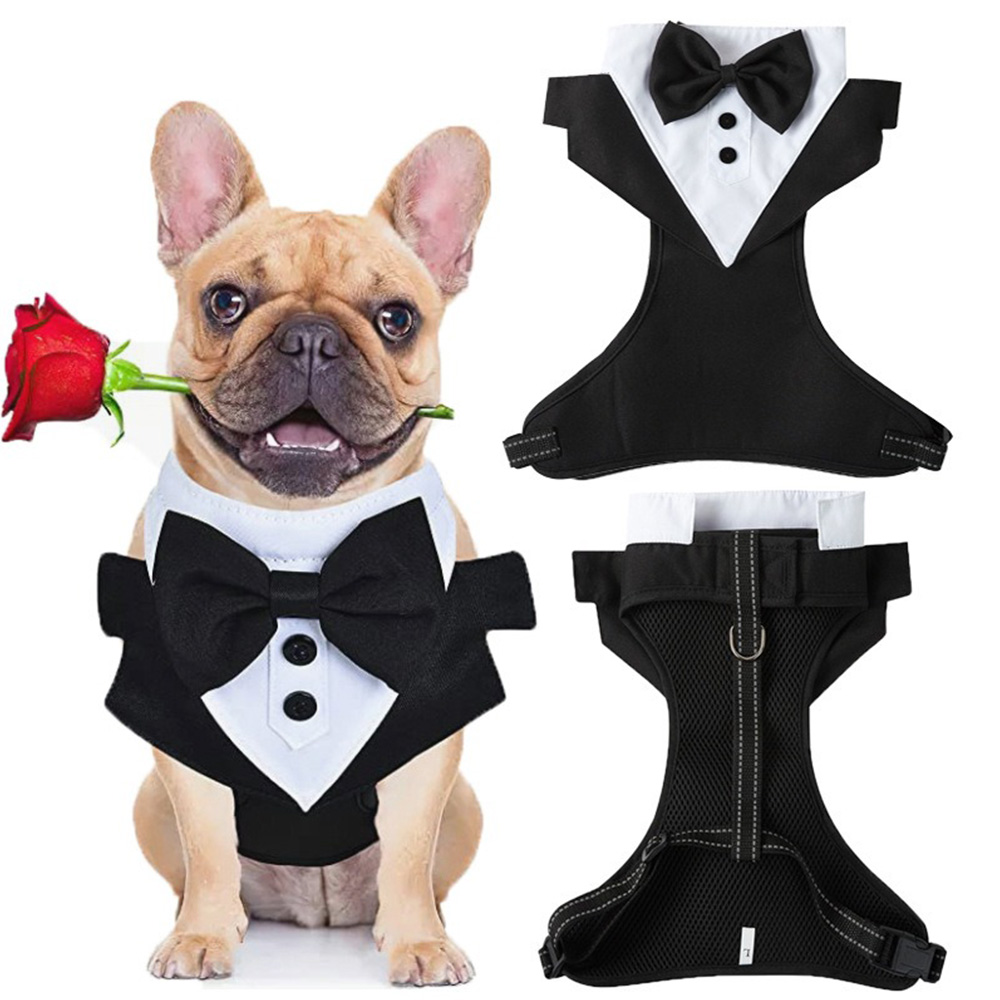
Wedding Style: Elegant tuxedo design ideal for weddings, parties, and formal occ...
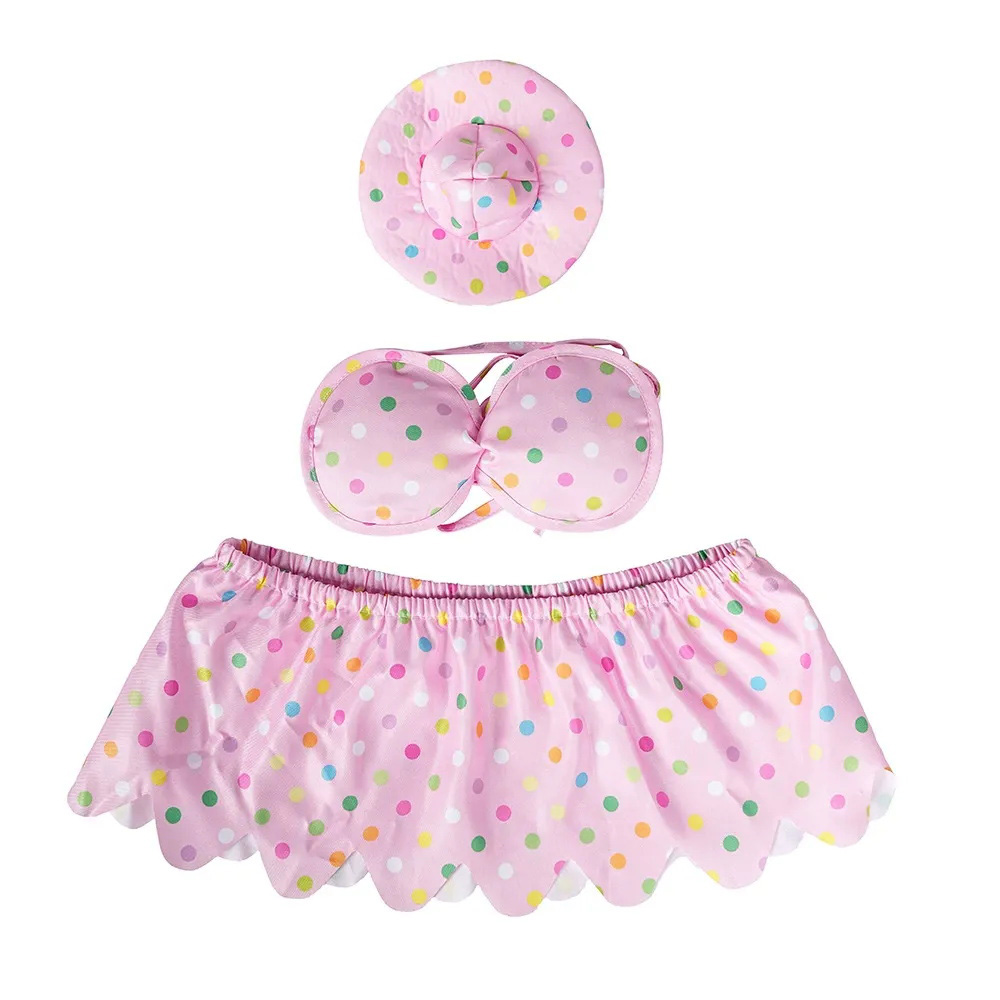
Hawaiian Style: Bring tropical vibes to your garden with this colorful Hawaiian ...
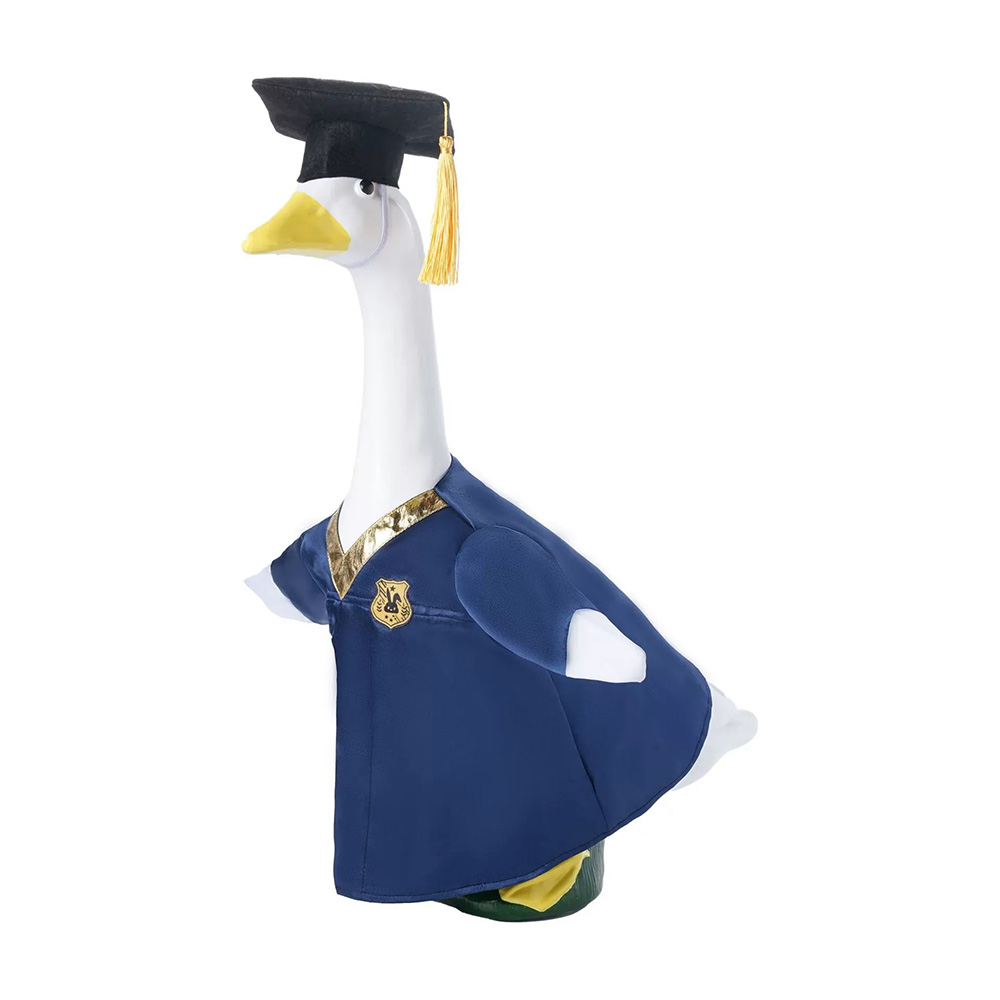
Graduation Theme Design: Fun graduation costume designed for porch goose celebra...
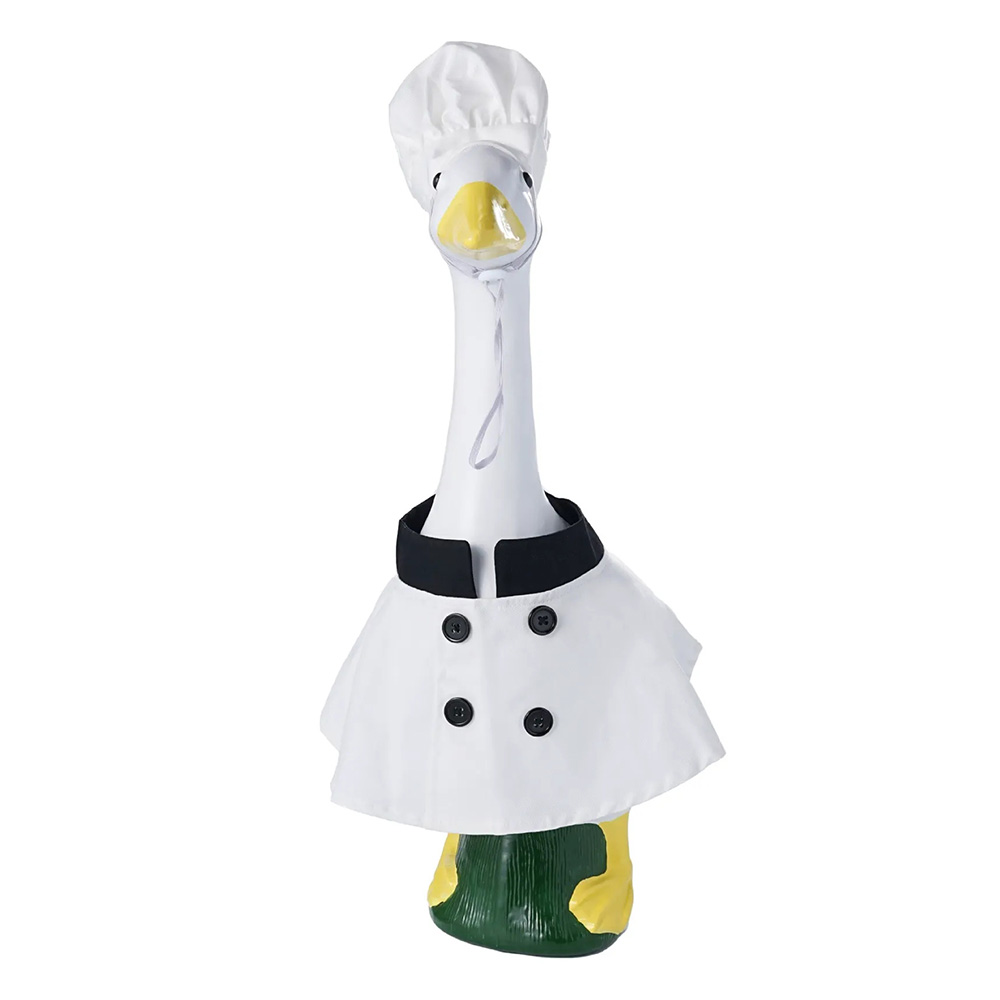
Chef Costume Style: Fun chef-themed outfit that gives your porch goose a playful...
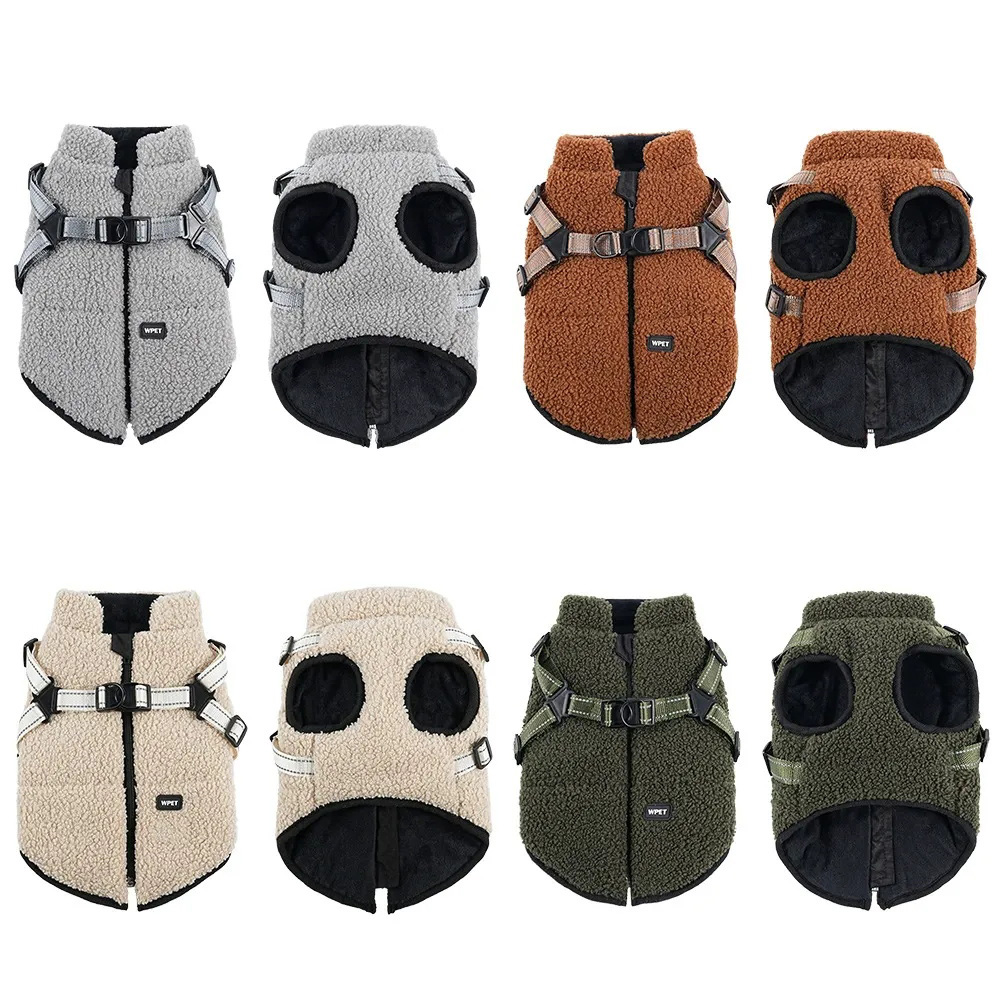
Windproof High Collar: Extended collar helps protect the pet's neck from cold wi...
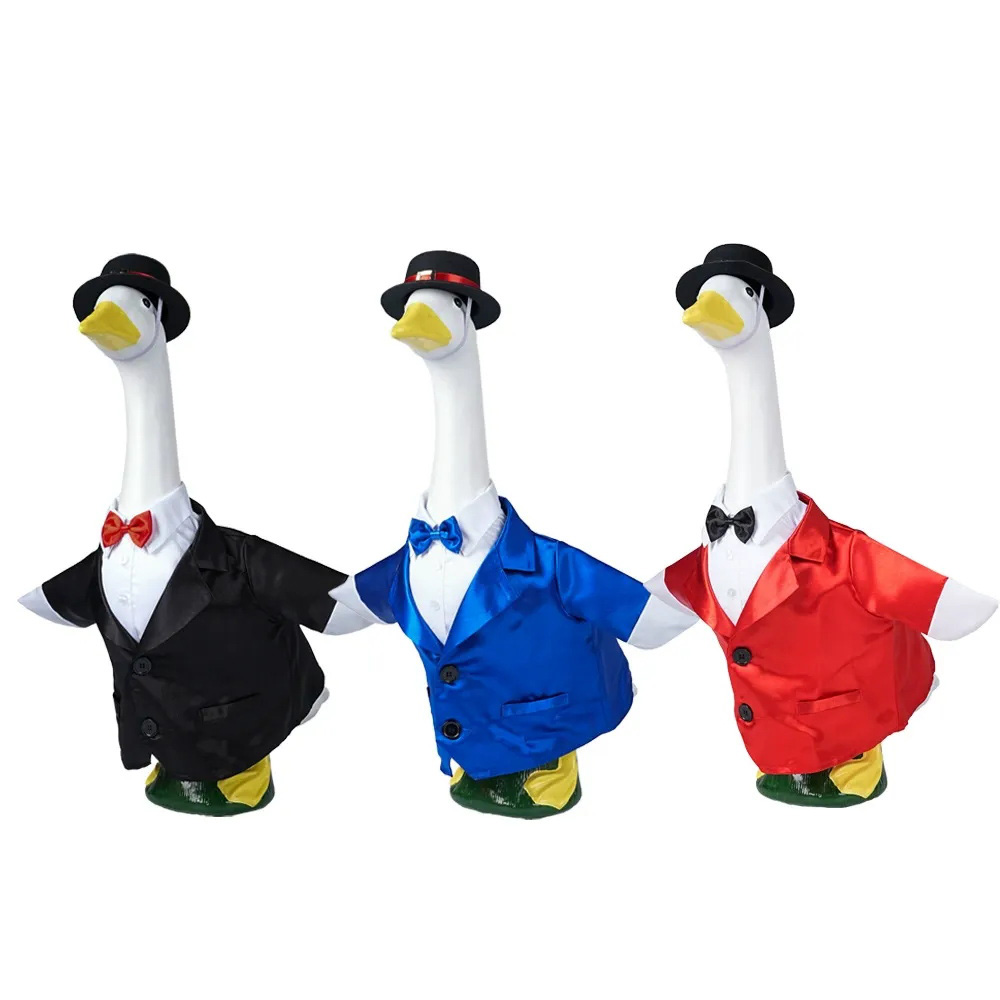
Wedding Groom Style: Classic tuxedo design transforms porch goose decorations in...
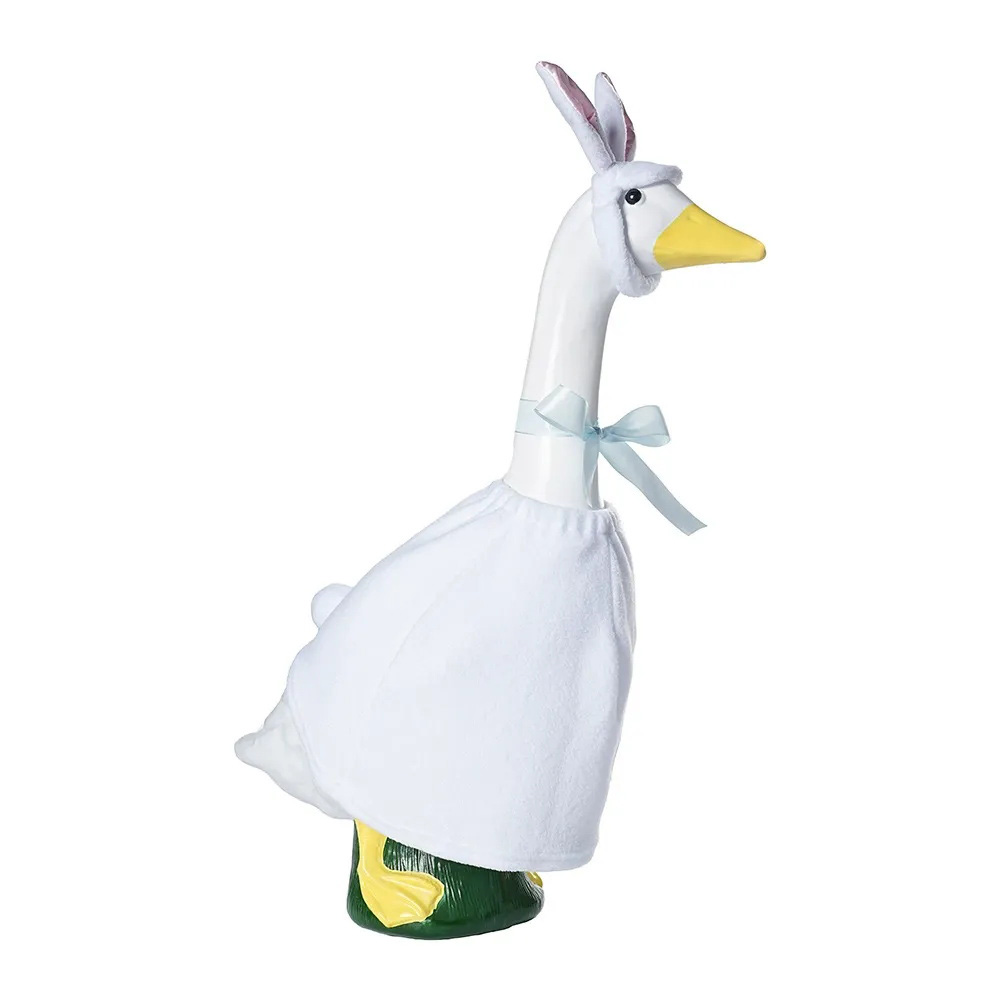
Easter Bunny Theme: Cute rabbit-inspired design adds festive charm to outdoor po...
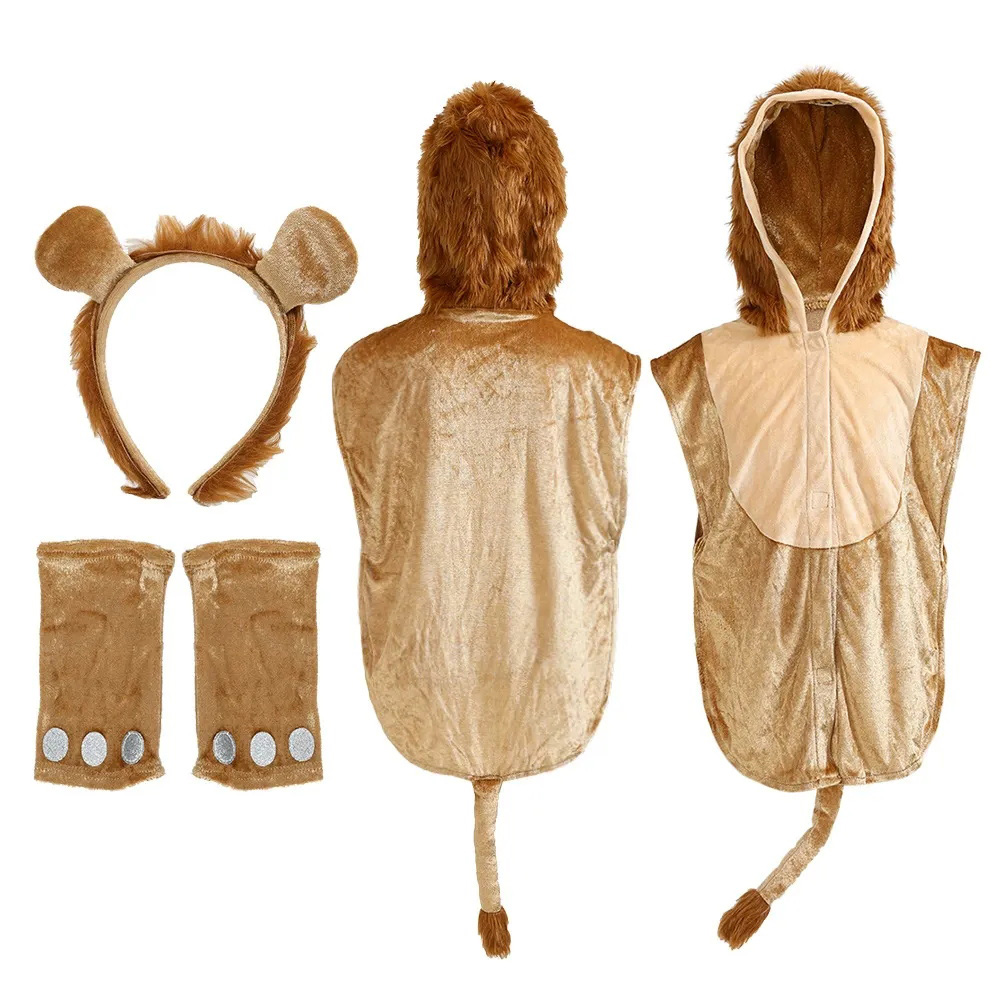
Lion Design: Cute lion style costume that transforms kids into the king of the j...
QUICK LNKS
PRODUCTS
CONTACT
No.19 Shanghu Industrial Function Zone, Panan County, Zhejiang, China.
(+86) 579-84882425
(+86) 13857944344
Mobile Web