English
 日本語
日本語
 русский
 Français
 Español
Easter Theme: Celebrate spring with a playful Easter bunny and egg pattern, perf...

Cosplay outfits are created to transform fans into fictional characters with accurate silhouettes, detailed designs, and recognizable visual elements. However, many buyers discover that the same labeled size can feel completely different across different brands. A medium costume from one supplier may fit comfortably, while another medium may require adjustments or replacement.
This sizing challenge has become a common concern among cosplay buyers, retailers, and distributors. The complexity comes from character-based designs, international size differences, unique body proportions, and different production standards. Industry discussions have highlighted that costume sizing inconsistency exists across manufacturers, making measurement communication an important part of the purchasing process.
A professional cosplay costume wholesale supplier needs to consider not only visual accuracy but also measurement consistency, fabric behavior, and wearer comfort to create products suitable for different markets.
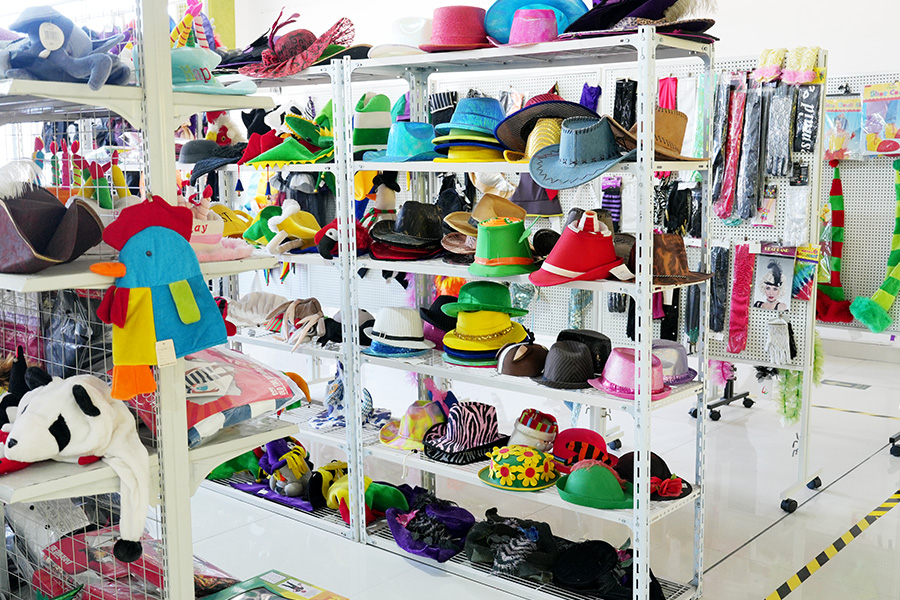
Traditional clothing focuses on everyday body movement, but cosplay outfits often copy exaggerated character designs. A costume may include oversized sleeves, fitted armor sections, layered skirts, or structured shoulders. These details make standard clothing size systems less effective.
A costume designed to reproduce a character’s appearance may look accurate on a mannequin but require additional adjustment on different body types.
Global cosplay sales connect manufacturers with customers from many regions. However, size labels such as S, M, L, and XL do not always represent identical measurements worldwide.
Asian sizing systems often use smaller measurement ranges compared with some Western markets. Height, shoulder width, chest circumference, waist size, and hip measurements may follow different grading methods depending on the production location.
Costume communities frequently report difficulties with standard size charts because body proportions do not always match simple S-to-XL categories.
Material selection has a direct impact on how a cosplay outfit sits on the body. A costume made from stretch fabric behaves differently from one produced with rigid woven textiles.
Common cosplay materials include polyester blends, spandex fabrics, faux leather, velvet, and synthetic mesh. Each material has different elasticity, thickness, and recovery ability.
A size chart alone cannot fully describe how a fabric will behave during actual wear. Material testing and sample fitting remain important steps during costume development.
Cosplay buyers usually expect more than basic clothing comfort. They want the outfit shape to resemble the original character design. Small pattern differences can affect the overall appearance.
Examples include:
Pattern development requires both garment engineering knowledge and understanding of character references. This is one reason cosplay production differs from regular apparel manufacturing.
Retailers purchasing large quantities of cosplay outfits face additional challenges because inconsistent sizing can create customer complaints and inventory problems.
A wholesale order may include dozens of sizes and styles. Small differences between production batches can affect sales performance, especially during convention seasons or themed events.
More detailed product information helps reduce uncertainty:
Standard sizing cannot cover every body shape, especially for detailed cosplay outfits. Custom measurement services provide another approach by adjusting patterns according to individual requirements.
Custom sizing can be useful for costumes with complicated structures, such as armor suits, fitted uniforms, and character-specific designs. It allows manufacturers to modify chest width, sleeve length, waist position, and overall proportions.
However, customization also requires accurate measurement communication. Incorrect body data can create new fitting problems instead of solving existing ones.
The demand for accurate cosplay outfits continues to increase as conventions, online communities, and character events expand globally. Size consistency has become an important factor affecting customer satisfaction and repeat purchases.
Future improvements may come from digital measurement tools, clearer international size standards, and more detailed product descriptions. These solutions can help buyers understand how a costume will fit before placing an order.
Cosplay is built around creativity and personal expression, but the connection between imagination and reality depends heavily on fit. More accurate sizing systems and careful production processes can help costumes achieve the character-inspired appearance that fans expect.
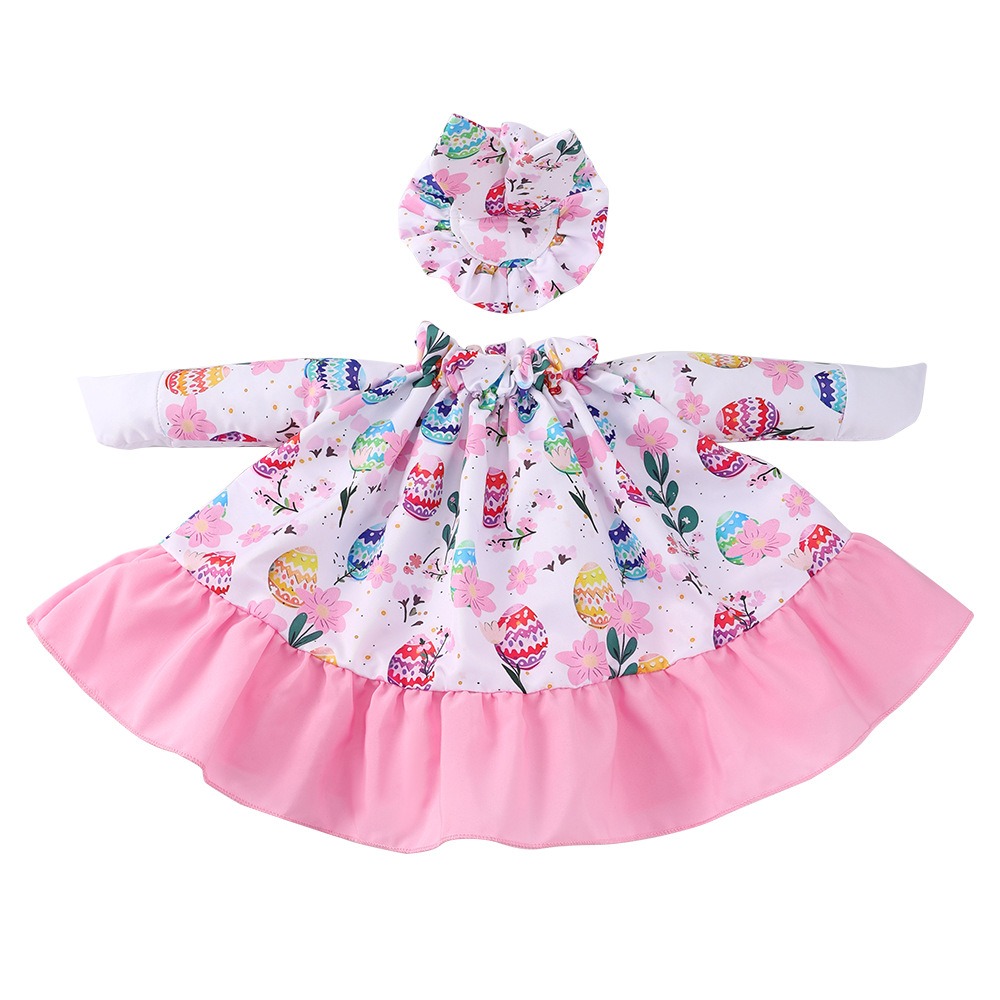
Easter Theme: Celebrate spring with a playful Easter bunny and egg pattern, perf...
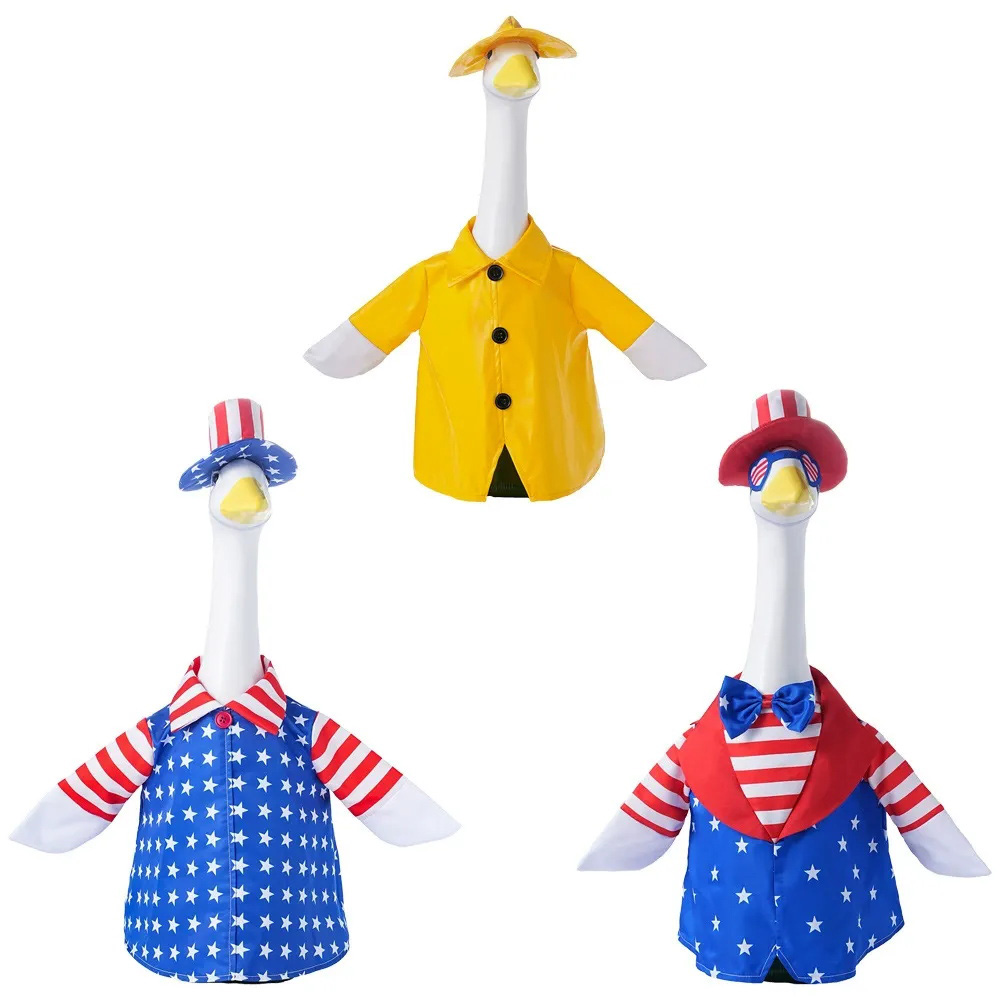
Polyester Fabric: Durable polyester material offers long-lasting use and comfort...
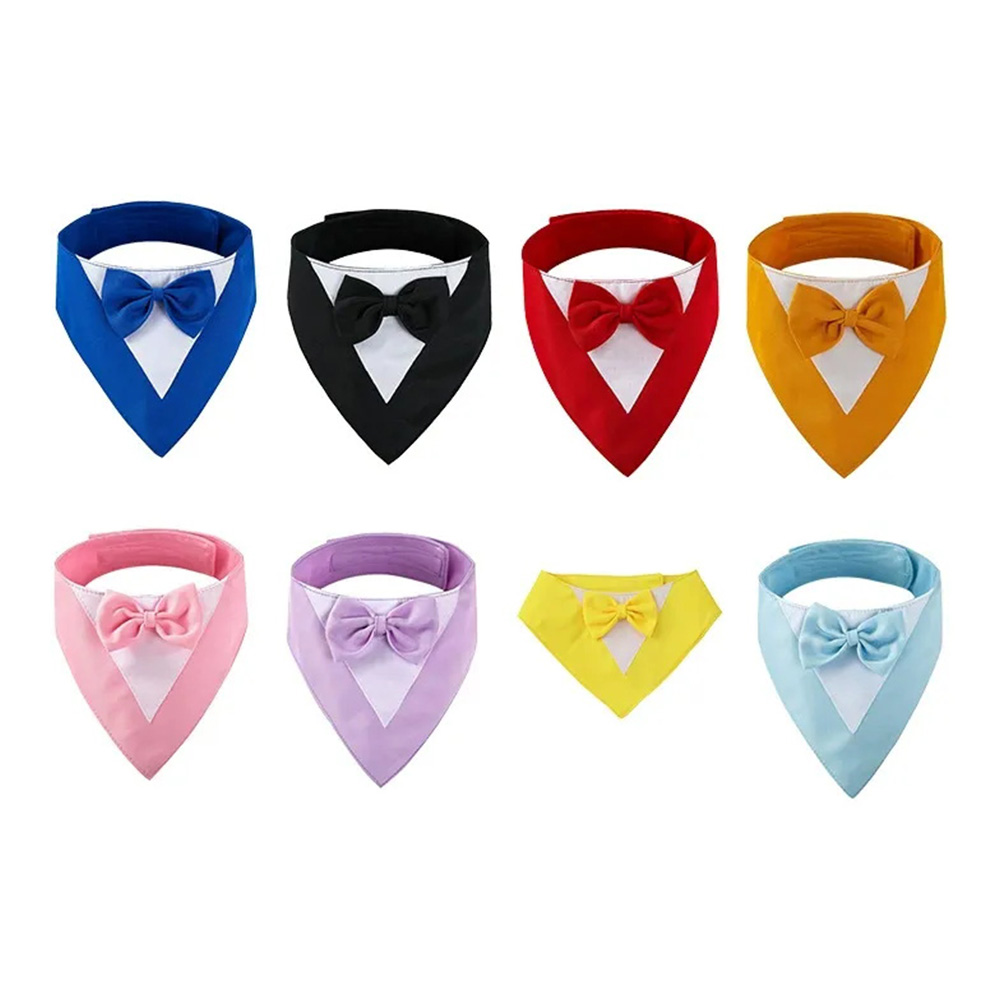
British Vintage Style: Inspired by classic gentleman fashion, this tuxedo-style ...
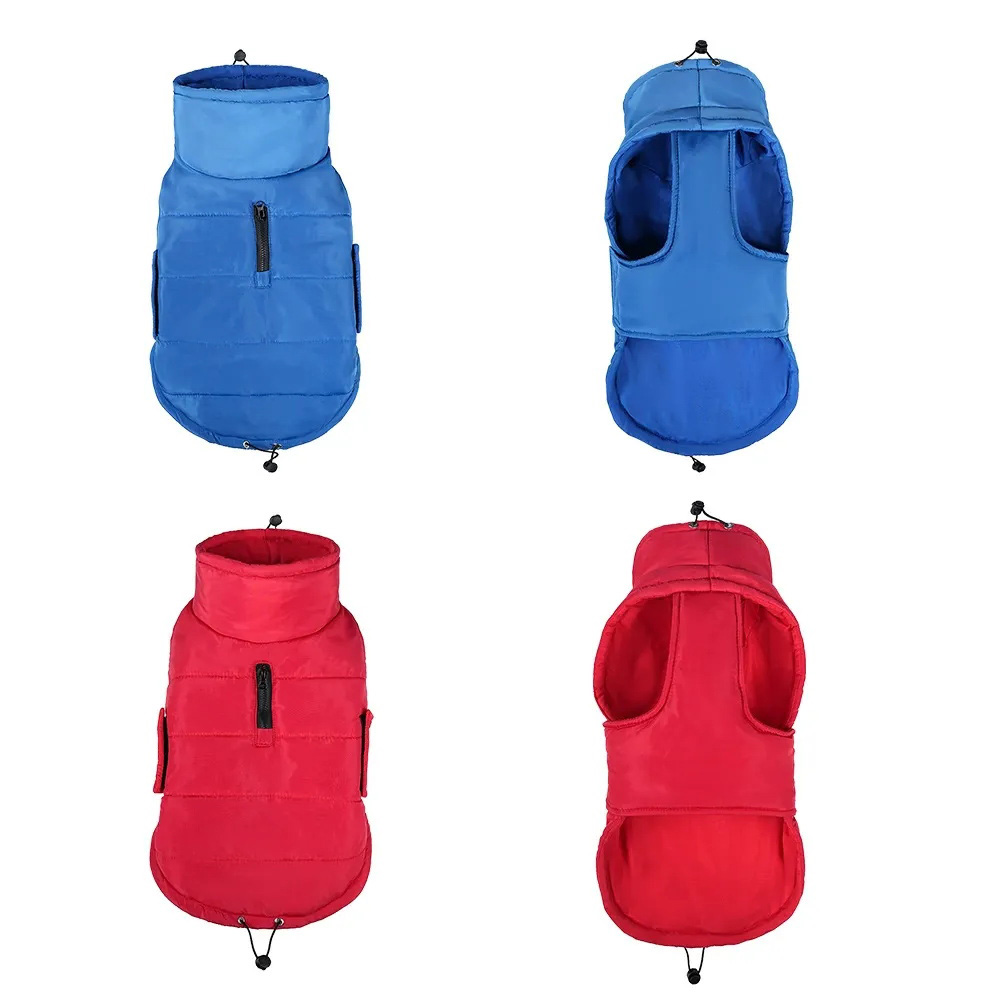
Extended Neck Protection: Lengthened collar helps prevent the pet’s neck from co...
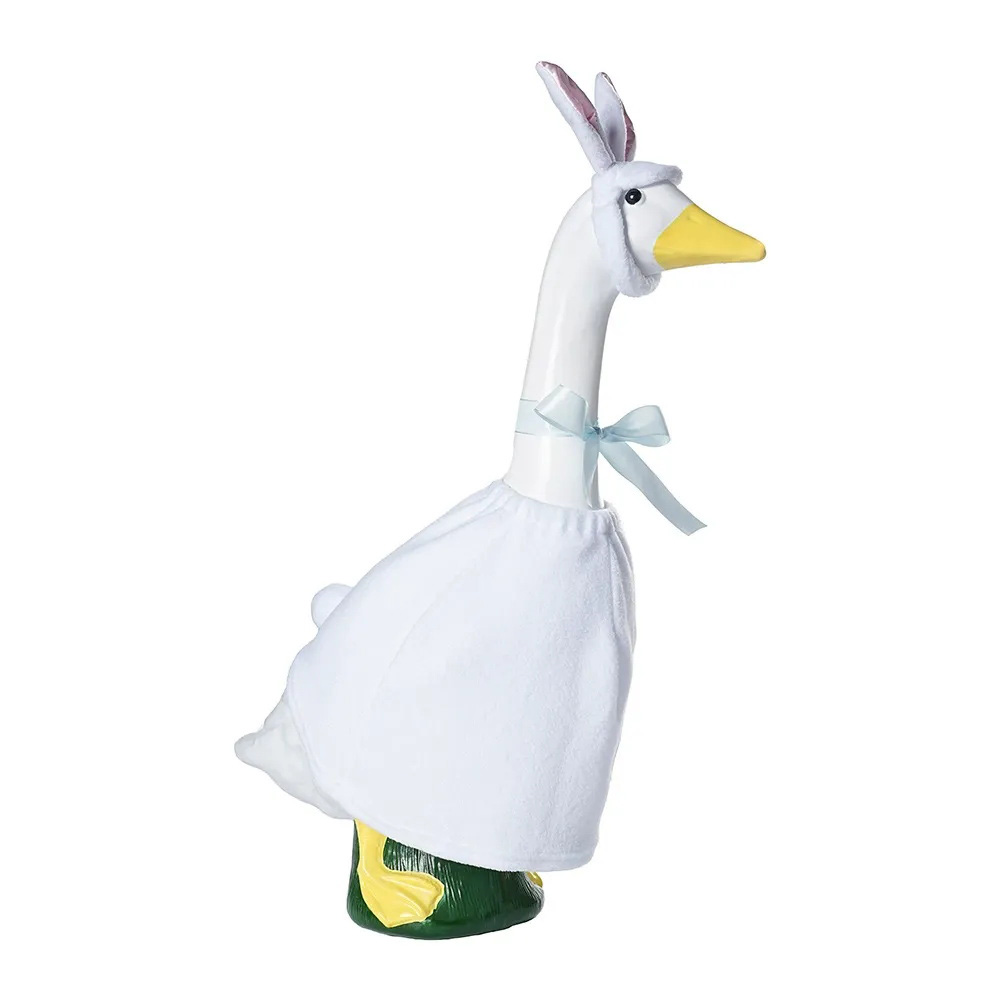
Easter Bunny Theme: Cute rabbit-inspired design adds festive charm to outdoor po...
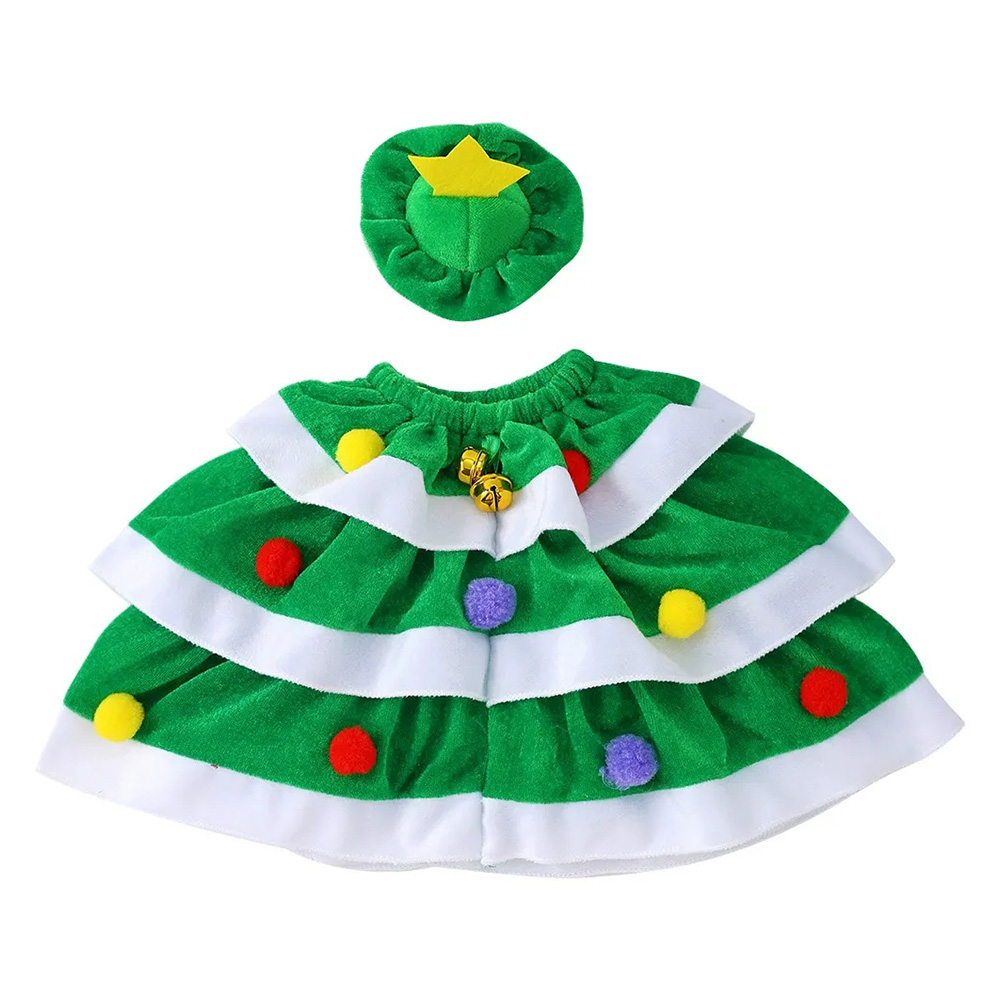
Festive Christmas Style: Dress your garden geese in a charming Christmas tree ou...
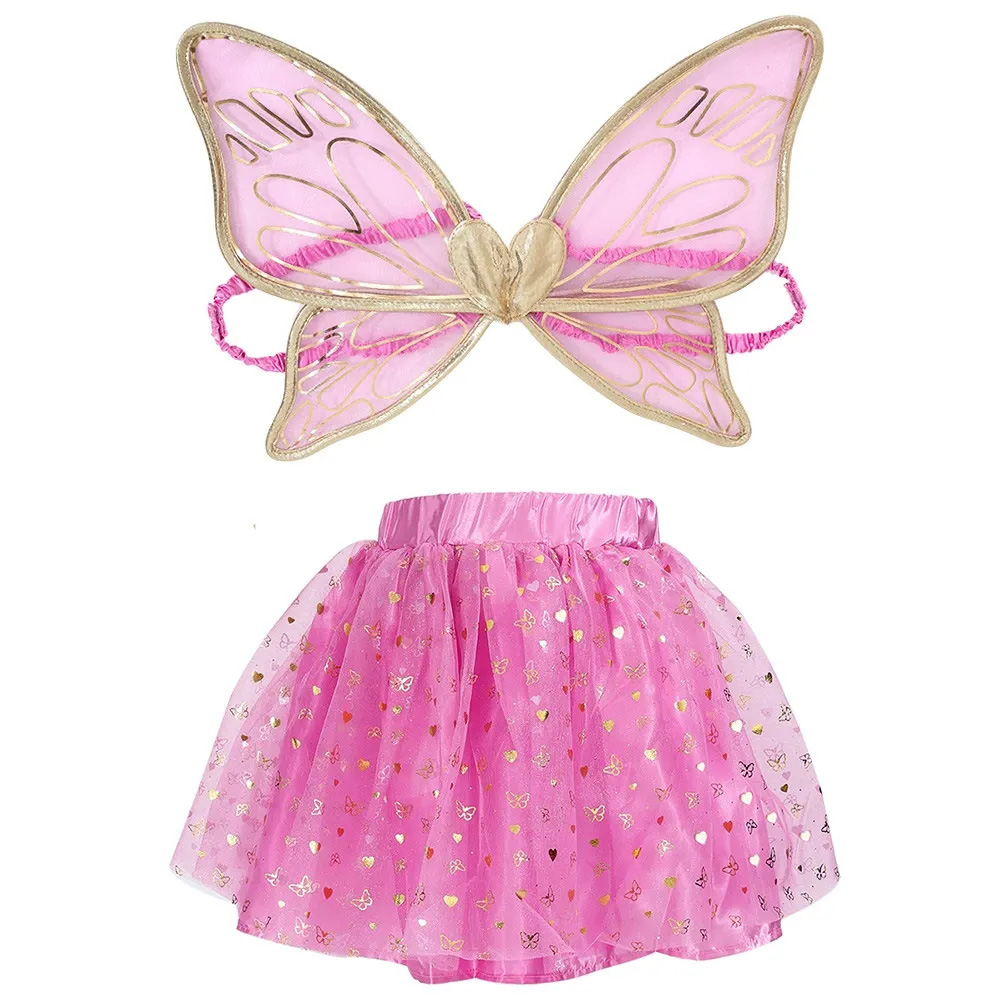
Fairy Princess Style: Lovely fairy costume that creates a magical look for child...
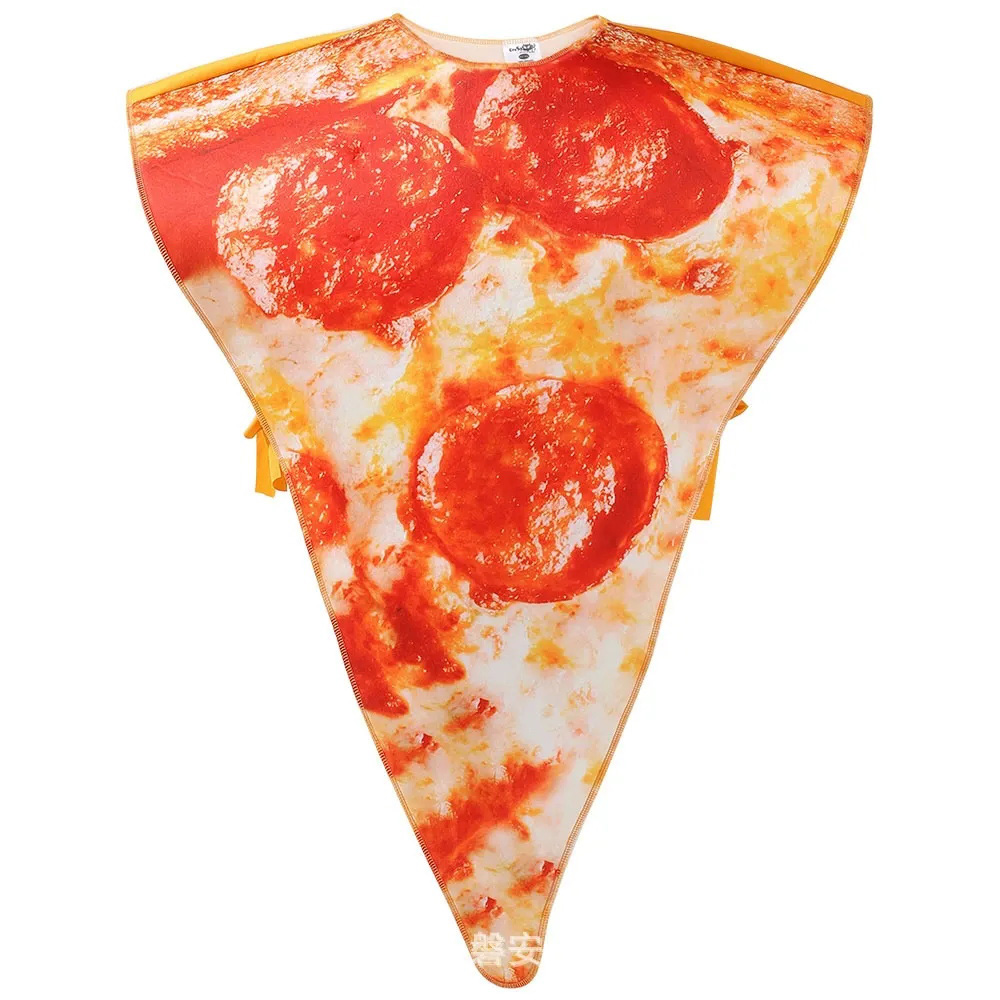
Fun Pizza Slice Costume: Bring humor and character to Halloween or themed partie...
QUICK LNKS
PRODUCTS
CONTACT
No.19 Shanghu Industrial Function Zone, Panan County, Zhejiang, China.
(+86) 579-84882425
(+86) 13857944344
Mobile Web