English
 日本語
日本語
 русский
 Français
 Español
Easter Theme: Celebrate spring with a playful Easter bunny and egg pattern, perf...

Online Halloween shopping creates strong expectations because product images usually look sharp, polished, and visually detailed. Reality often feels different once the package arrives. The mismatch does not come from a single reason. It is a combination of material limits, production shortcuts, lighting effects, and sizing gaps that shape the final experience.
Modern ecommerce platforms rely heavily on styled photography and edited visuals. Even small adjustments in contrast, fabric smoothing, and shadow enhancement can make a costume appear more structured than it actually is. The gap between digital presentation and physical product becomes noticeable during real wear.
A Halloween Costume Maker plays a key role in how closely the final product aligns with promotional images, especially when balancing cost control and visual appeal.
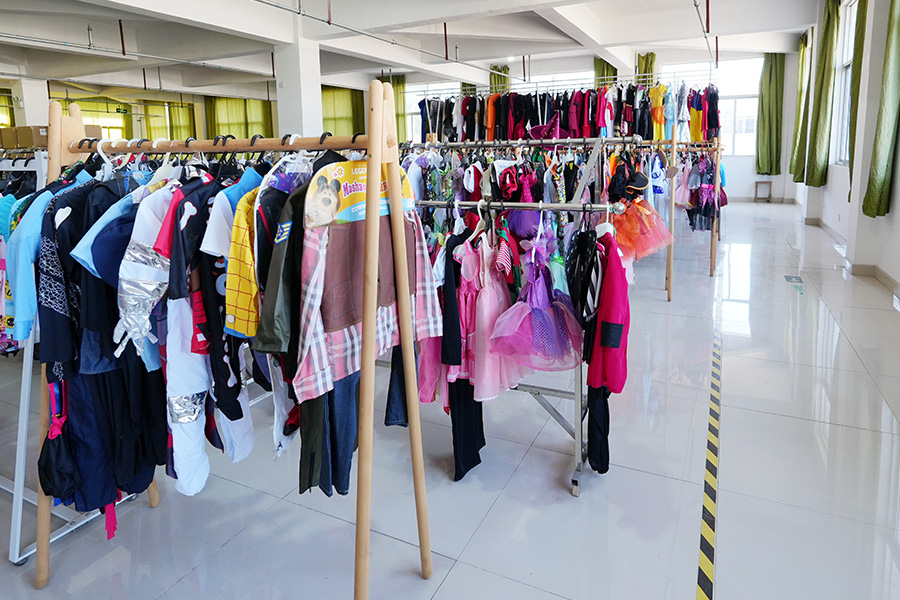
Material selection is one of the strongest reasons costumes look different from their online photos. Many Halloween outfits use lightweight synthetic fabrics such as polyester satin, brushed tricot, or thin foam-backed textiles. These materials behave differently under real light compared to studio photography.
Photography teams often use clamps, padding, or internal supports to shape costumes during shooting. That temporary structure disappears once the item is worn, creating a noticeable difference.
Product photography depends heavily on controlled lighting environments. Softboxes, ring lights, and directional highlights are used to enhance texture and depth. The same costume under household lighting looks flatter and less defined.
Color grading also plays a major role. Slight shifts in hue are common during editing to create a more dramatic or festive tone. A deep red cape may appear brighter in listings, while a matte black suit can look more reflective online than in person.
These adjustments do not necessarily indicate misleading intent, but they do create a visual standard that real fabric cannot consistently maintain.
Many Halloween costumes are designed for short-term seasonal use. That affects stitching techniques, seam reinforcement, and pattern precision. The goal is visual similarity rather than long-term durability.
These decisions allow faster production cycles but reduce how closely the garment mirrors the styled product photo.
Costume sizing is rarely consistent across brands. A medium in one collection may fit closer to a small or large in another. Unlike standard apparel, Halloween outfits often prioritize flexibility over precise grading systems.
Fit variation changes how details appear on the body. A tighter fit may stretch printed graphics, while a looser fit can hide intended shape lines. This directly affects how the costume resembles its promotional image.
Return analysis in online costume retail frequently highlights fit mismatch as a major dissatisfaction factor, even when buyers follow size charts carefully. Research in apparel ecommerce shows sizing inconsistency remains a core challenge due to differing pattern standards and grading logic across manufacturers.
Product images often include carefully arranged accessories that are not fully secured in packaged versions. Capes may be pinned for flow, masks adjusted for symmetry, and props supported with hidden structures.
Once unboxed, those elements behave differently. Fabric drape becomes more natural and less controlled, props may sit at slightly different angles, and elastic components relax after storage.
This difference in styling approach adds to the perception gap between online display and physical product.
Shipping conditions also influence appearance. Costumes are often vacuum-packed or folded tightly to reduce shipping volume. This process creates temporary deformation in fabrics and foam components.
These temporary effects can make a newly opened costume appear lower quality than its designed presentation state.
Online costume images represent an idealized version of the product under controlled conditions. Real-world usage introduces movement, body variation, lighting changes, and material behavior that cannot be fully captured in a single image set.
Understanding these factors helps explain why differences appear between expectation and delivery. The gap is not purely about quality, but about translation from styled imagery to wearable product reality.
As ecommerce continues to evolve, improved material simulation, better size transparency, and more realistic photography methods may reduce this disconnect. Until then, Halloween costumes will continue to sit between visual storytelling and physical practicality, with a noticeable gap between the two.
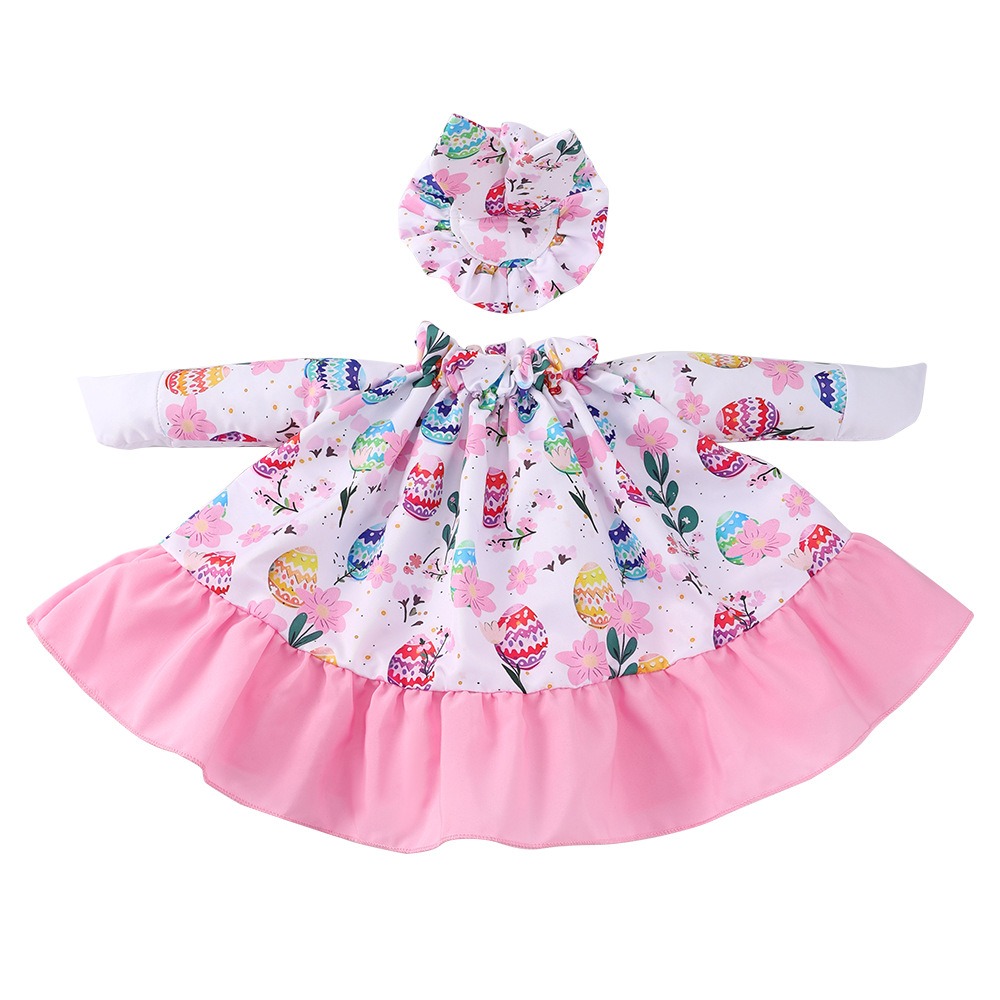
Easter Theme: Celebrate spring with a playful Easter bunny and egg pattern, perf...
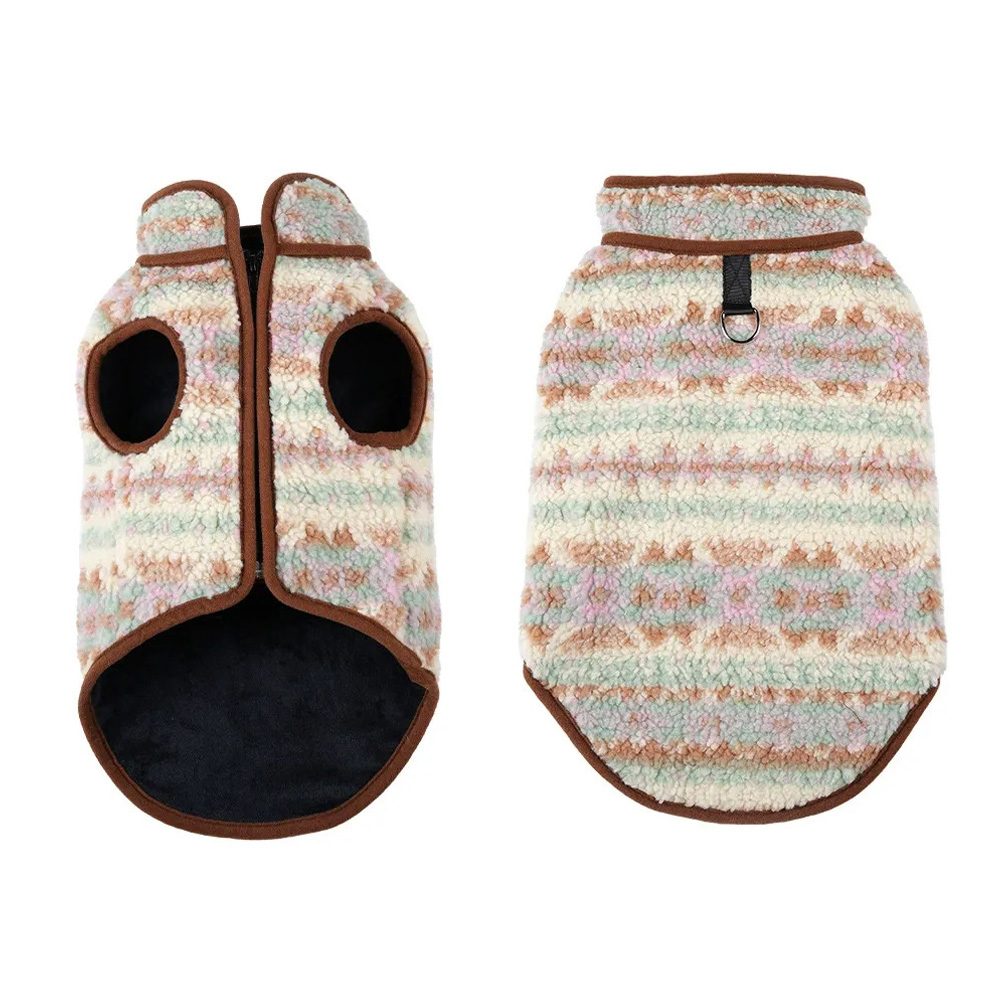
Windproof Outer Fabric: Tightly woven wind-resistant material helps reduce cold ...
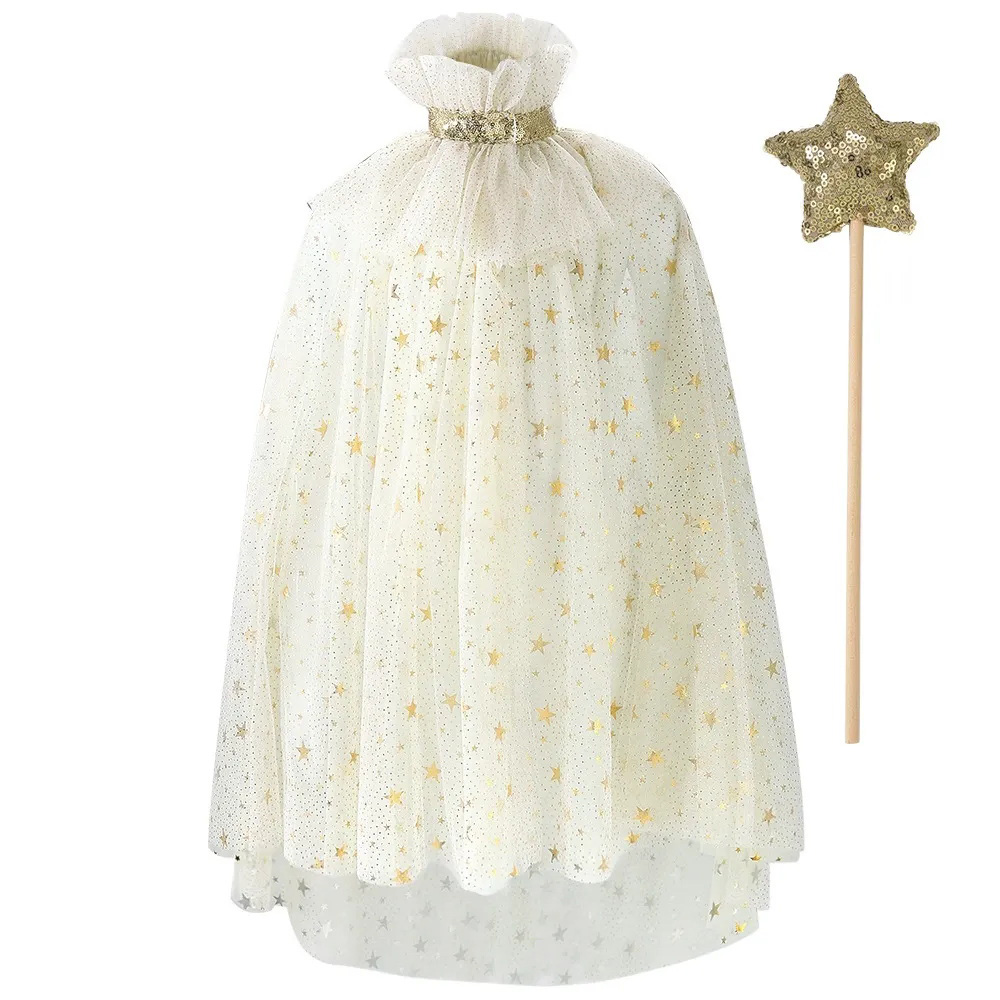
Sparkling Sequin Cape: Eye-catching glitter detail for magical flair.Soft Tulle ...
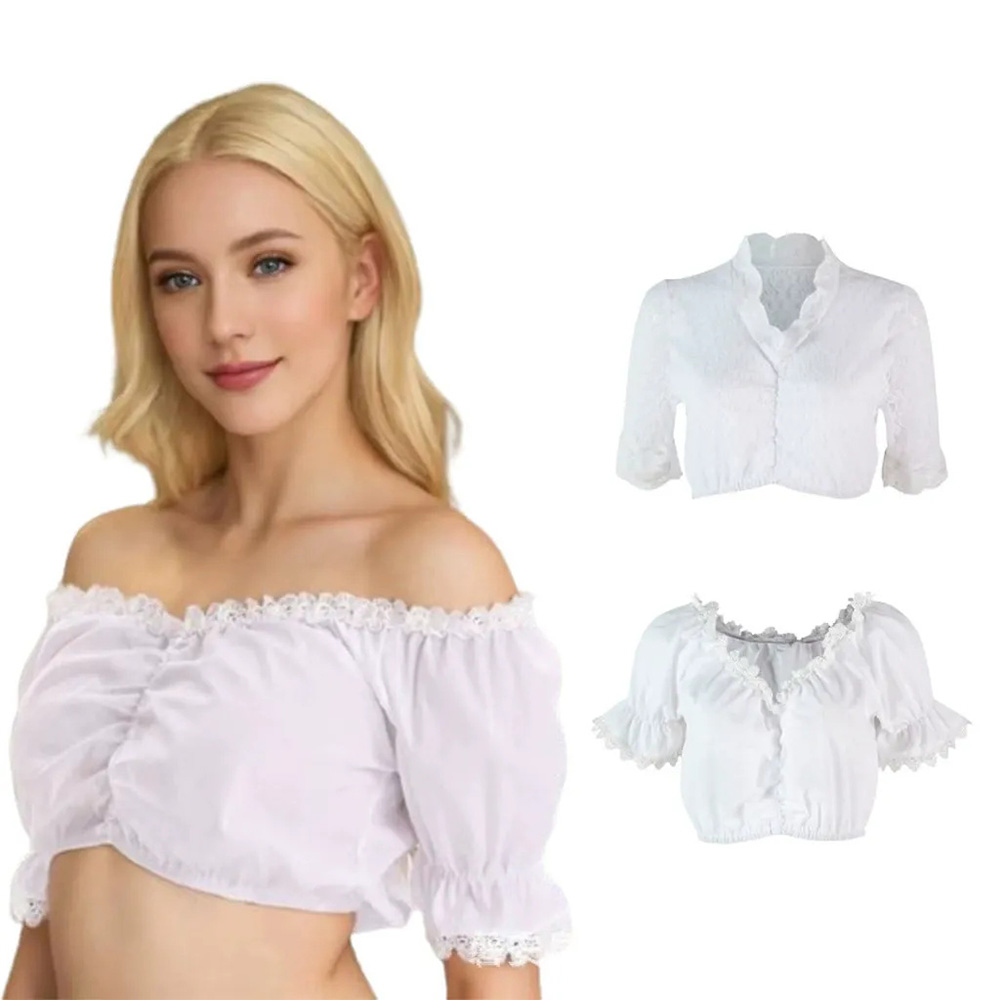
Elegant Lace: Hollow lace pattern adds a romantic and delicate touch.Comfortable...
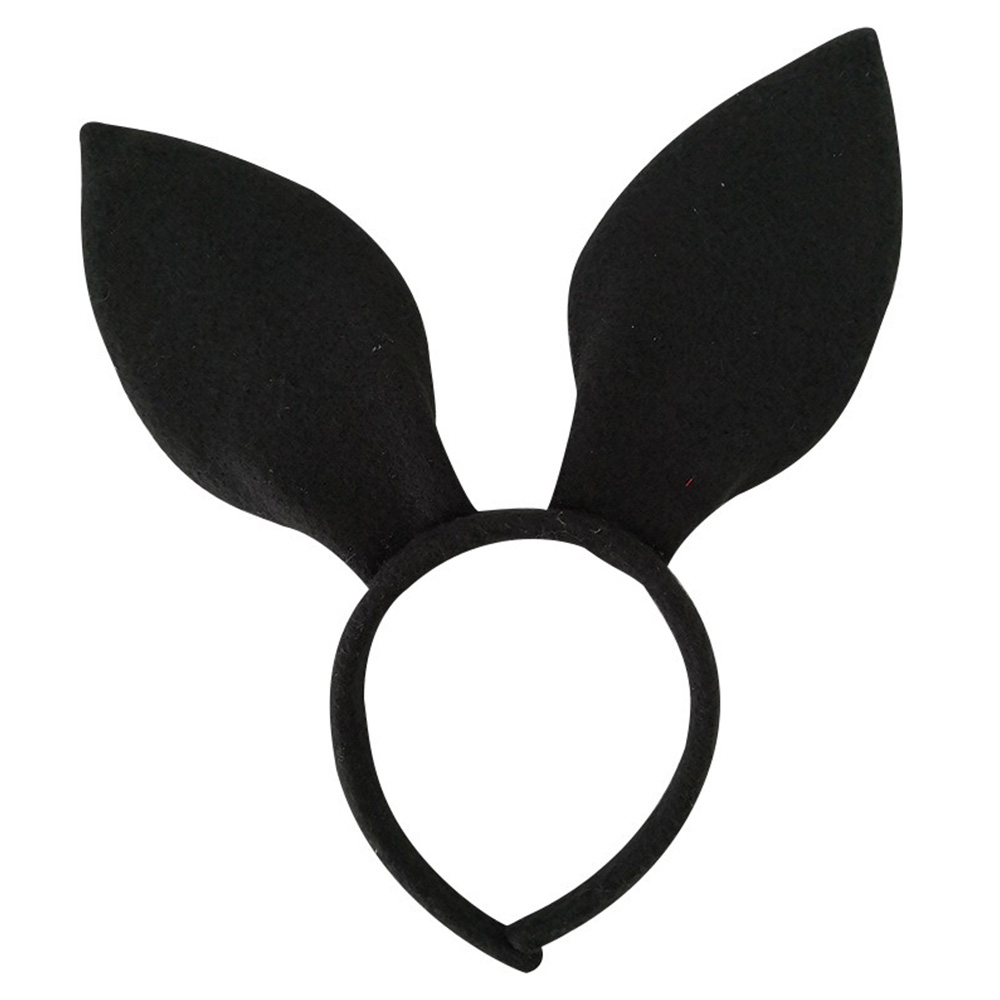
Easter Celebration Accessory: Perfect for adding festive charm to your Easter ev...
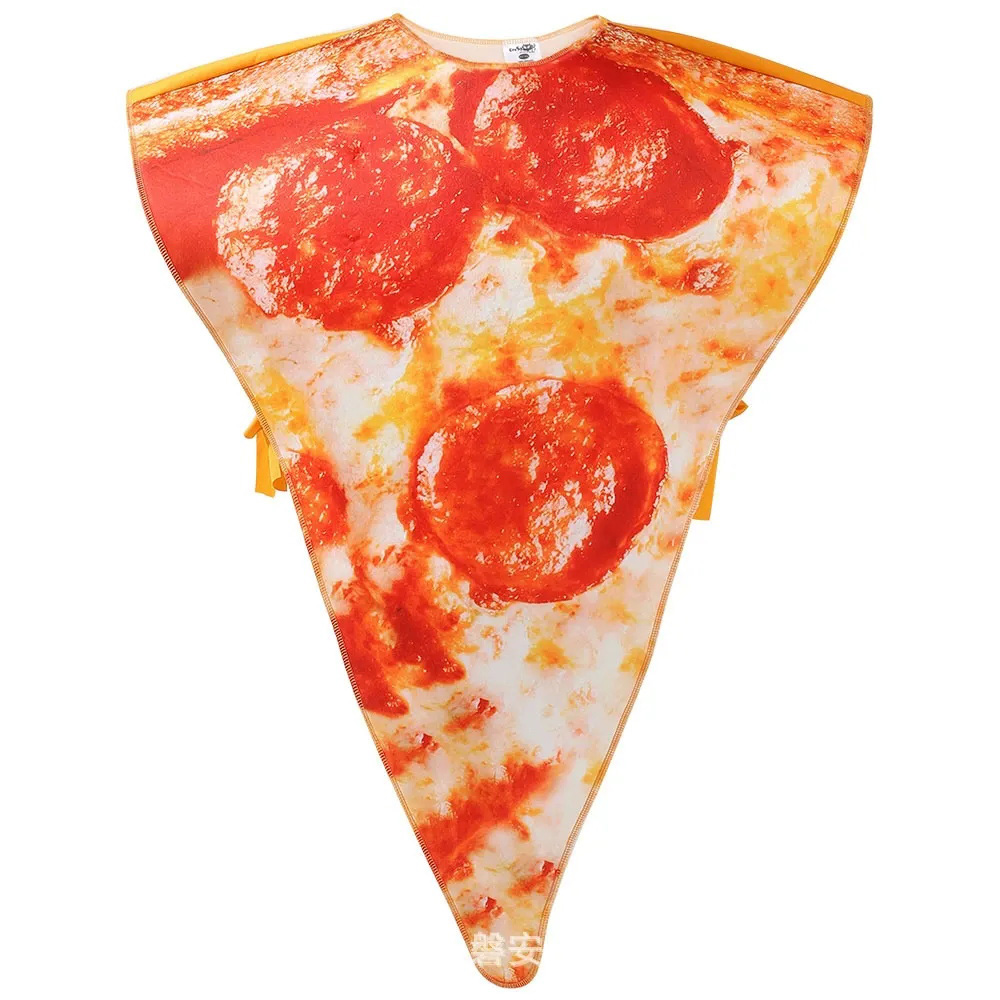
Fun Pizza Slice Costume: Bring humor and character to Halloween or themed partie...
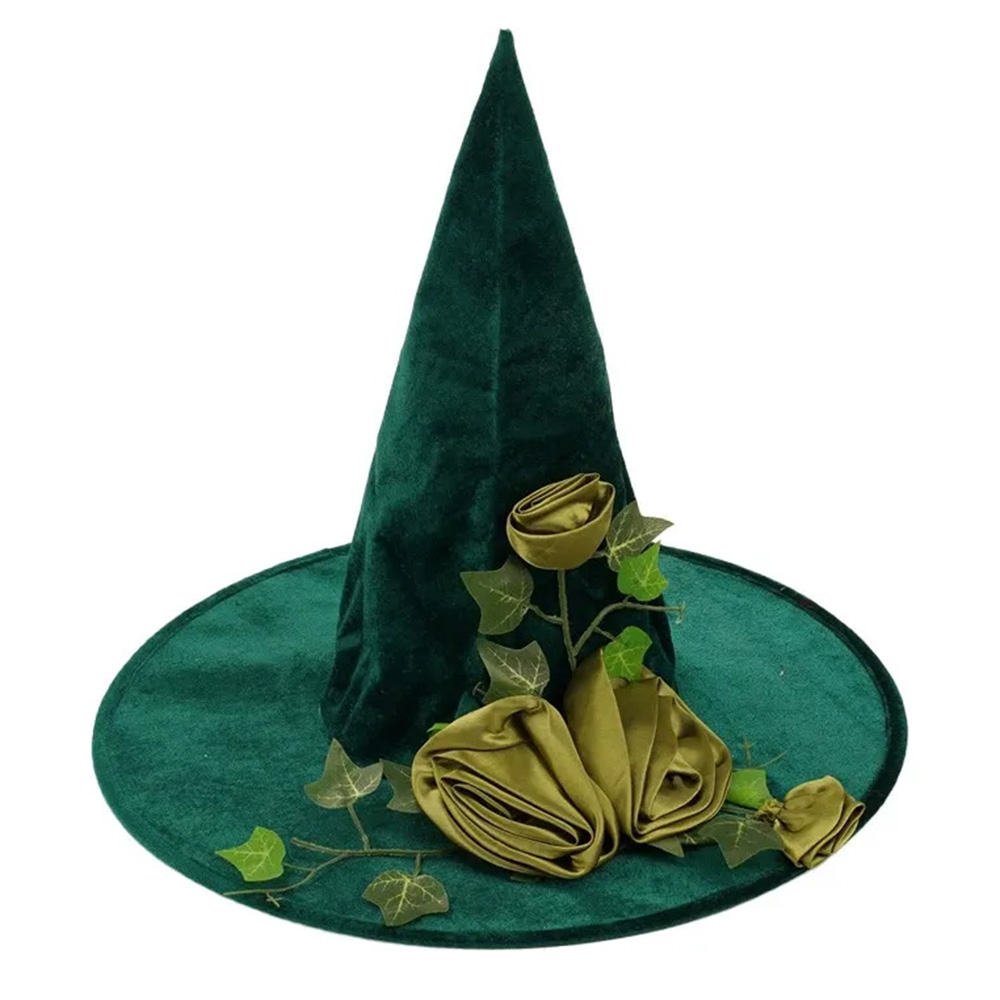
Witch & Wizard Style: A must-have for Halloween, cosplay, and fantasy partie...
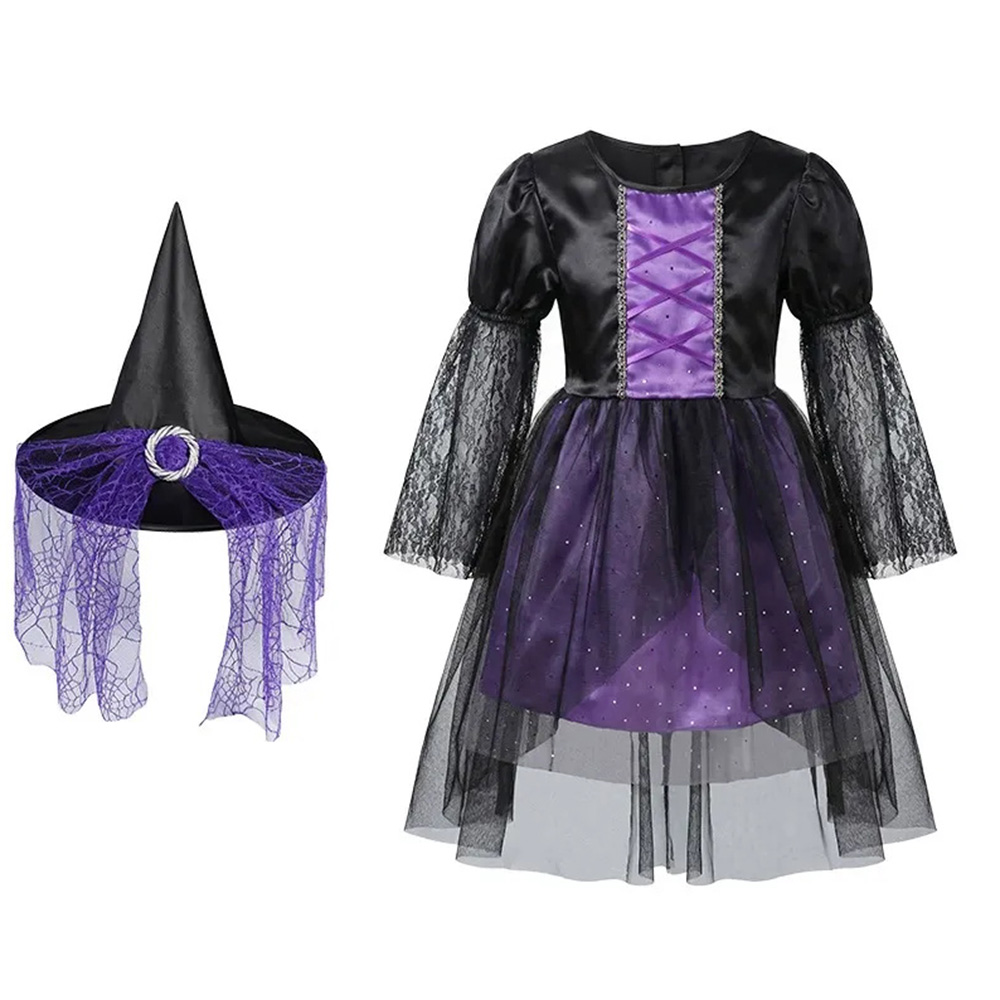
Spellbinding Style: Enchant the crowd with this bewitching witch costume for kid...
QUICK LNKS
PRODUCTS
CONTACT
No.19 Shanghu Industrial Function Zone, Panan County, Zhejiang, China.
(+86) 579-84882425
(+86) 13857944344
Mobile Web