English
 日本語
日本語
 русский
 Français
 Español
Country Style: Classic rural design with lace trim and ribbon bows, bringing a w...

Carnival celebrations are built around movement. Dancers spin, performers jump, parade groups travel long distances, and costumes are exposed to constant stretching, twisting, and crowd interaction. Despite their vibrant appearance, many carnival outfits experience seam failures, fabric damage, or detached decorations after relatively short periods of use.
A professional carnival costume supplier understands that durability depends on much more than fabric thickness. Construction methods, weight distribution, embellishment attachment, and movement requirements all influence how well a costume survives a live event.
Costume damage is rarely caused by a single issue. Multiple stress factors often combine during performances, creating weaknesses that eventually result in tears or structural failures.
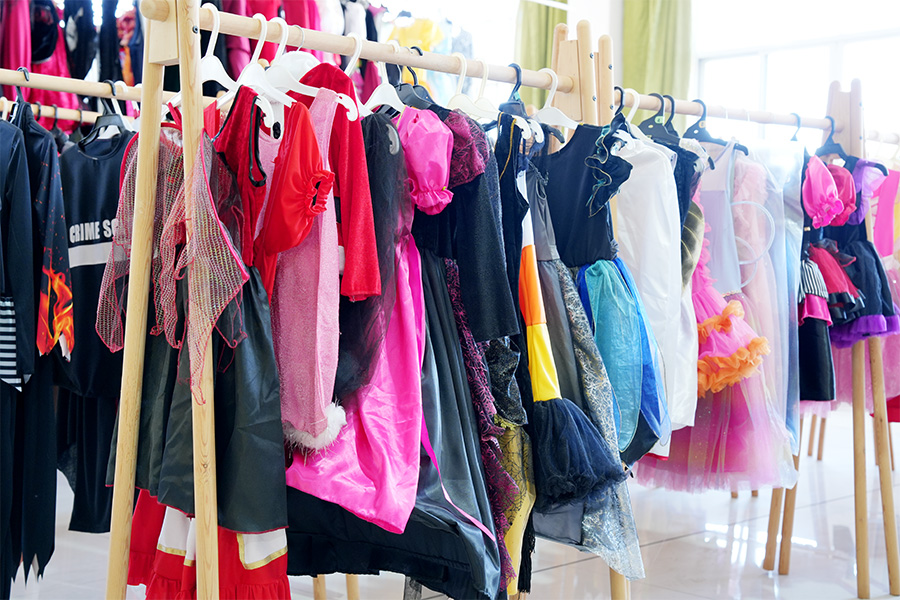
Carnival costumes are designed for active environments rather than static display.
Typical activities include:
Every movement generates force across seams and fabric panels. Areas around the shoulders, knees, elbows, waist, and underarms experience repeated stretching throughout an event.
Durability studies on performance costumes show that repetitive motion is one of the primary causes of seam fatigue and fabric wear, particularly at high-stress zones.
A costume that appears strong during fitting may behave differently after several hours of continuous movement.
Many people assume fabric is the main cause of tearing. In reality, seam construction frequently becomes the weakest point.
Common seam-related issues include:
Costume durability testing has shown that reinforced or double-stitched seams withstand significantly higher stress than basic seam construction. Poor seam engineering allows threads to break long before the fabric itself reaches its failure point.
Professional-grade carnival costumes often use additional reinforcement techniques around areas exposed to frequent motion.
Carnival costumes often include:
These decorations improve visual impact but also increase garment weight.
Every attached ornament creates additional pulling force on the surrounding fabric. During dancing or rapid movement, decorations can act like miniature weights that stress seams and connection points.
Industry guidance notes that embellishment attachment methods are critical because heavy decorative elements can increase localized stress throughout the costume.
Large feather structures and oversized shoulder pieces are especially demanding on supporting fabrics.
Not all fabrics react to stress in the same way.
Common carnival costume materials include:
Lightweight fabrics improve comfort and flexibility but may sacrifice durability.
Research on costume materials shows that thin polyester fabrics and low-weight textiles are generally more vulnerable to tearing during active use, particularly around seams and high-friction areas.
Many event costumes prioritize visual appearance and freedom of movement, which can reduce overall tear resistance.
Damage does not always occur through sudden force.
Repeated friction slowly degrades materials in areas such as:
Costume design specialists consistently identify friction zones as locations where wear develops faster than expected. Areas subjected to repeated rubbing lose strength over time and become more susceptible to tearing.
This explains why a costume may remain intact during early use yet develop damage later in an event.
Modern carnival costumes frequently combine sewing with adhesive attachment methods.
Examples include:
Adhesive systems can perform well under controlled conditions, but heat, sweat, and movement may reduce bonding strength.
Costume makers discussing convention and performance wear often report that heat exposure and body movement can weaken adhesive-mounted components, allowing parts to separate unexpectedly.
Mechanical attachment methods generally provide greater reliability for costumes expected to endure intensive activity.
A costume weighing 4 kilograms may last longer than a costume weighing 2 kilograms.
The difference often comes from weight distribution.
Poorly balanced designs create concentrated force in specific areas:
Engineering studies involving large carnival costumes emphasize the importance of allowing performers to move freely without excessive weight concentration. Balanced support structures help reduce localized stress and fabric fatigue.
Even strong fabrics can fail prematurely if weight is focused on a small area.
A brief fitting session cannot accurately predict performance during a parade or stage event.
Real-world conditions include:
Community discussions among costume makers frequently highlight problems that only become visible during extended wear testing, including chafing, shifting accessories, and structural instability.
Testing under realistic conditions helps identify weak points before a public event.
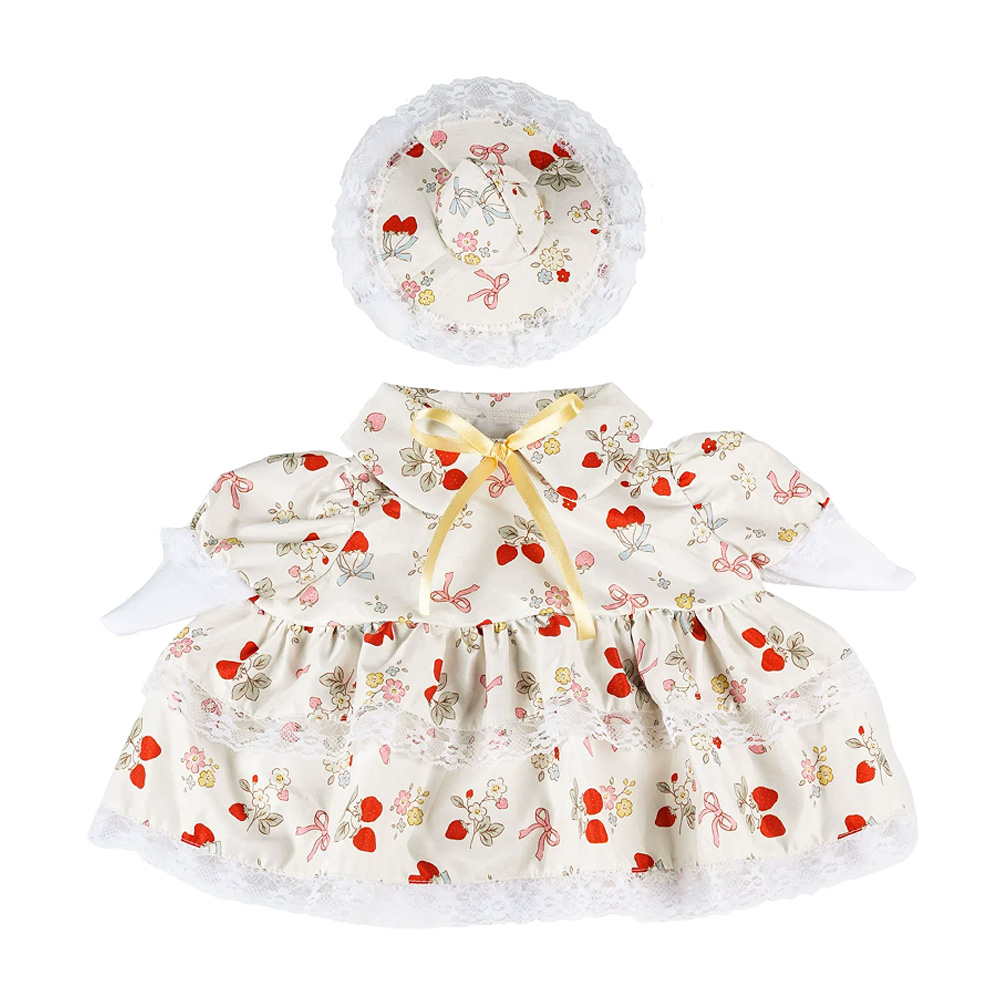
Country Style: Classic rural design with lace trim and ribbon bows, bringing a w...
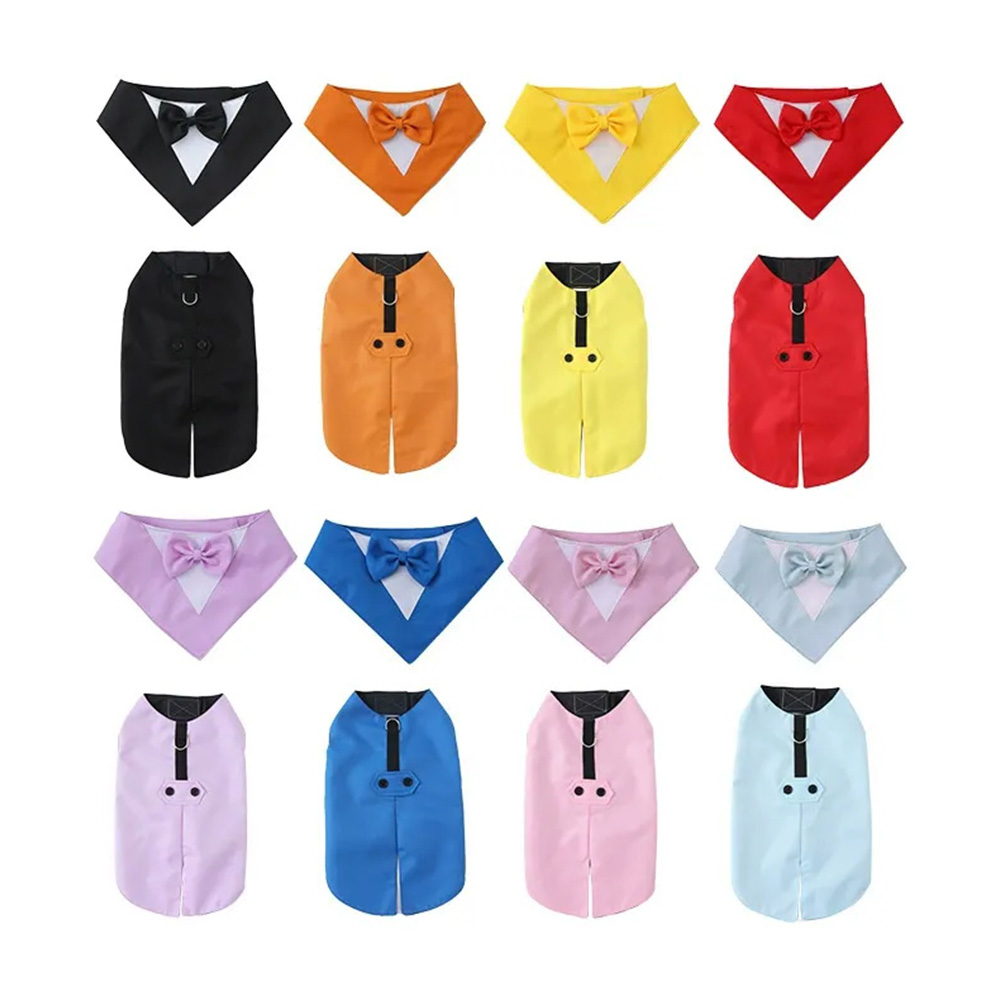
Color Variety: Available in 8 vibrant colors to match your dog’s personality.Com...
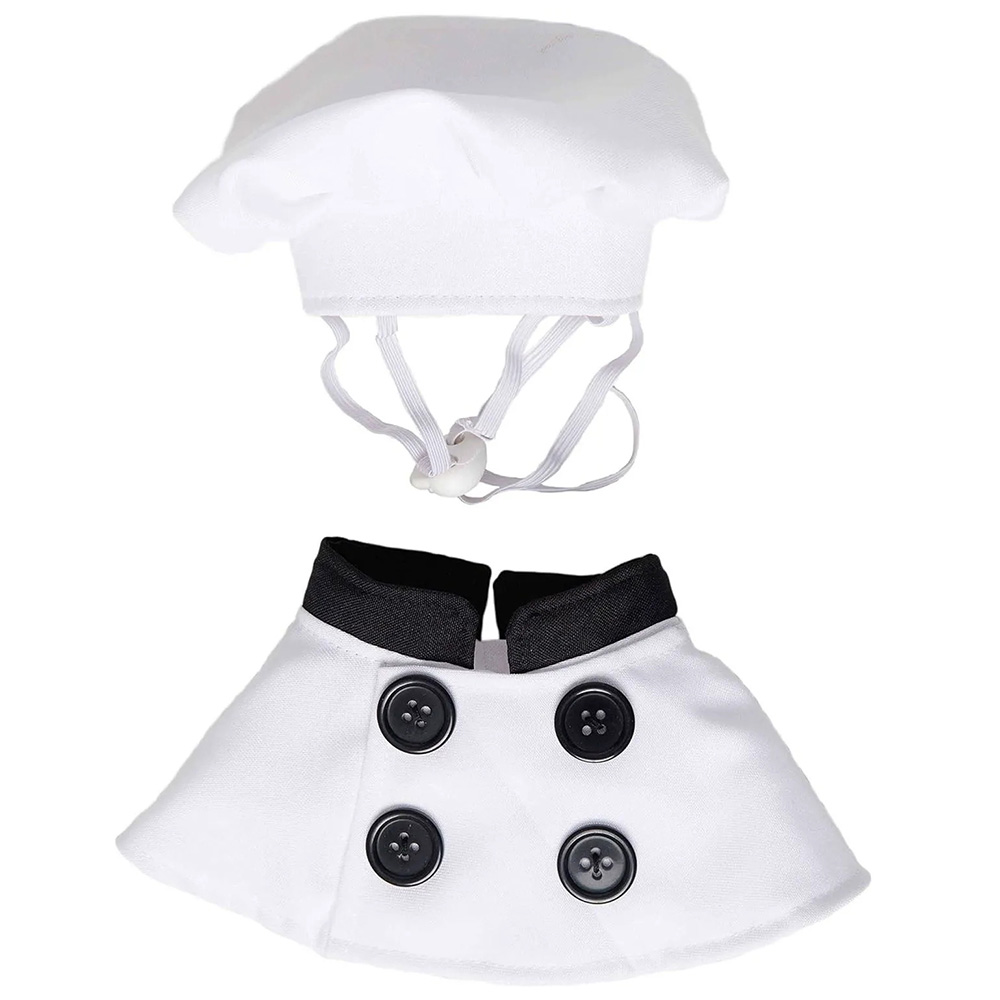
Chef Costume Design: Fun chef uniform style that turns your dog into a cute litt...
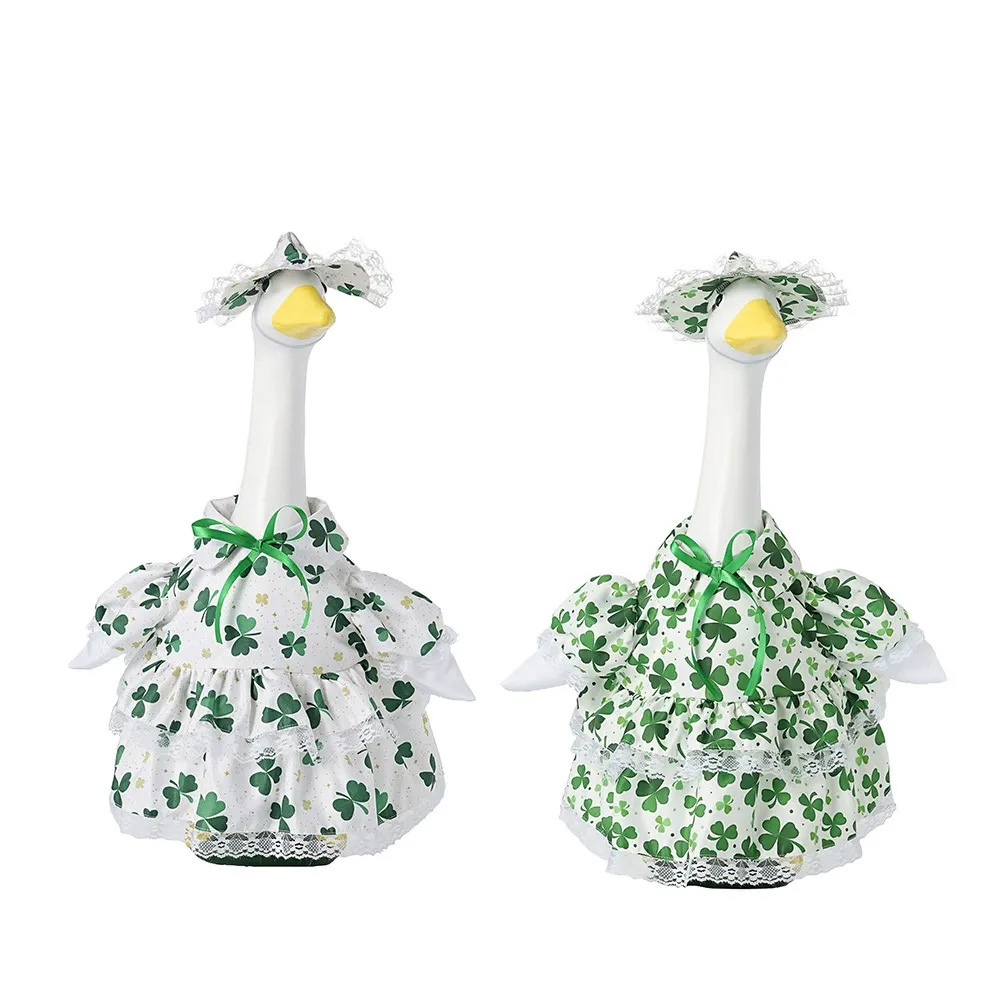
St. Patrick’s Day Theme: Decorated with clover elements to celebrate the festive...
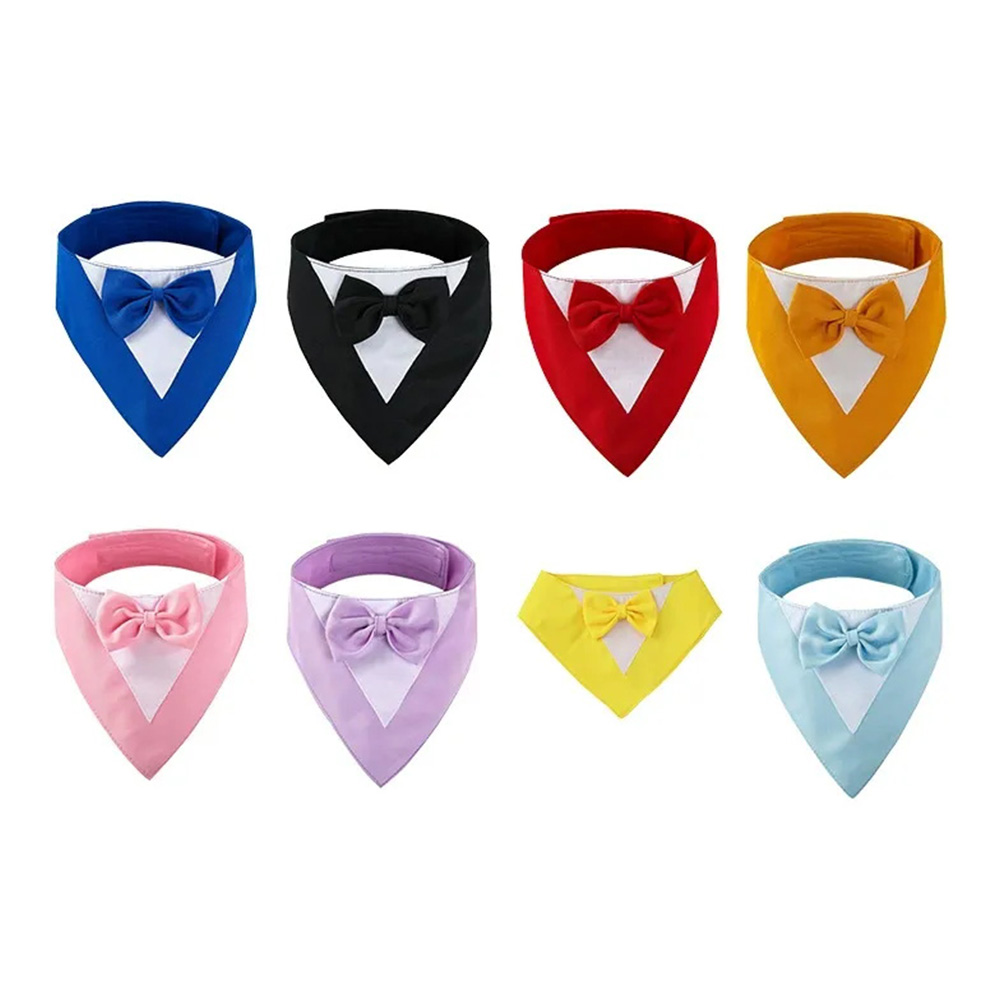
British Vintage Style: Inspired by classic gentleman fashion, this tuxedo-style ...
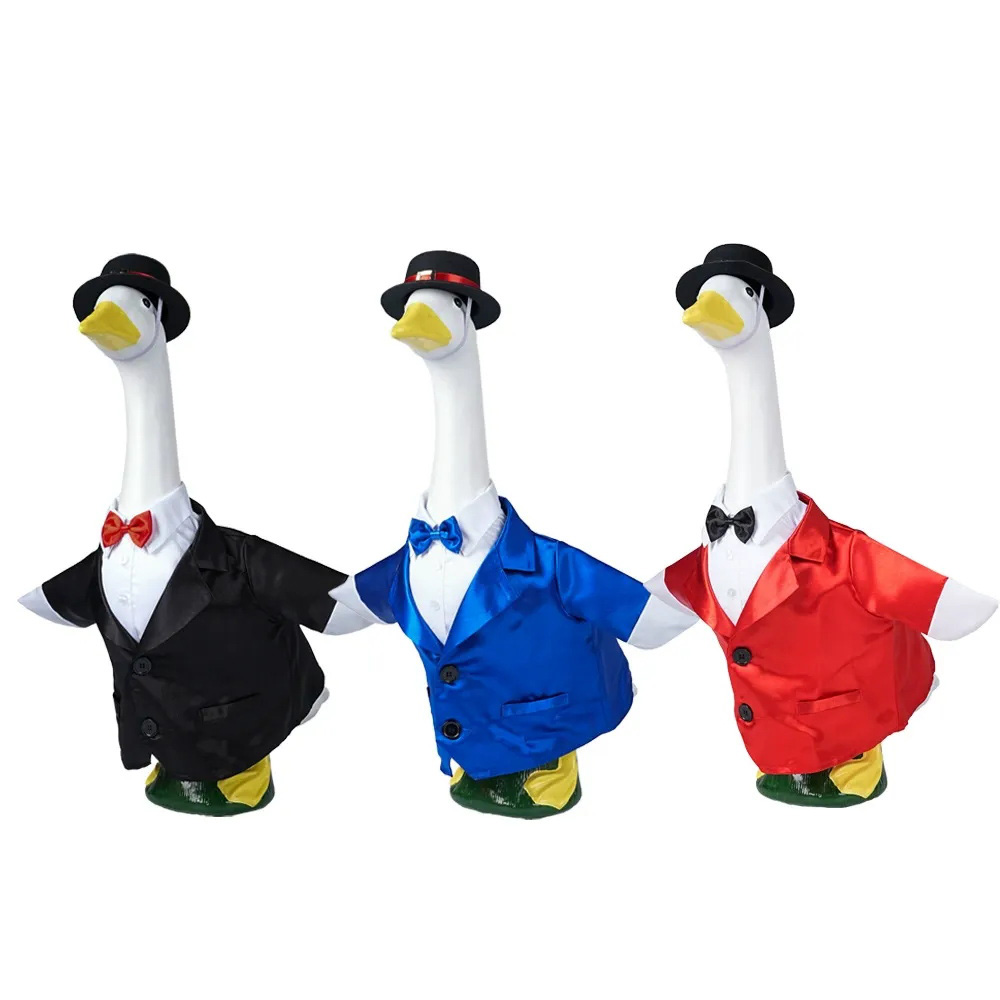
Wedding Groom Style: Classic tuxedo design transforms porch goose decorations in...
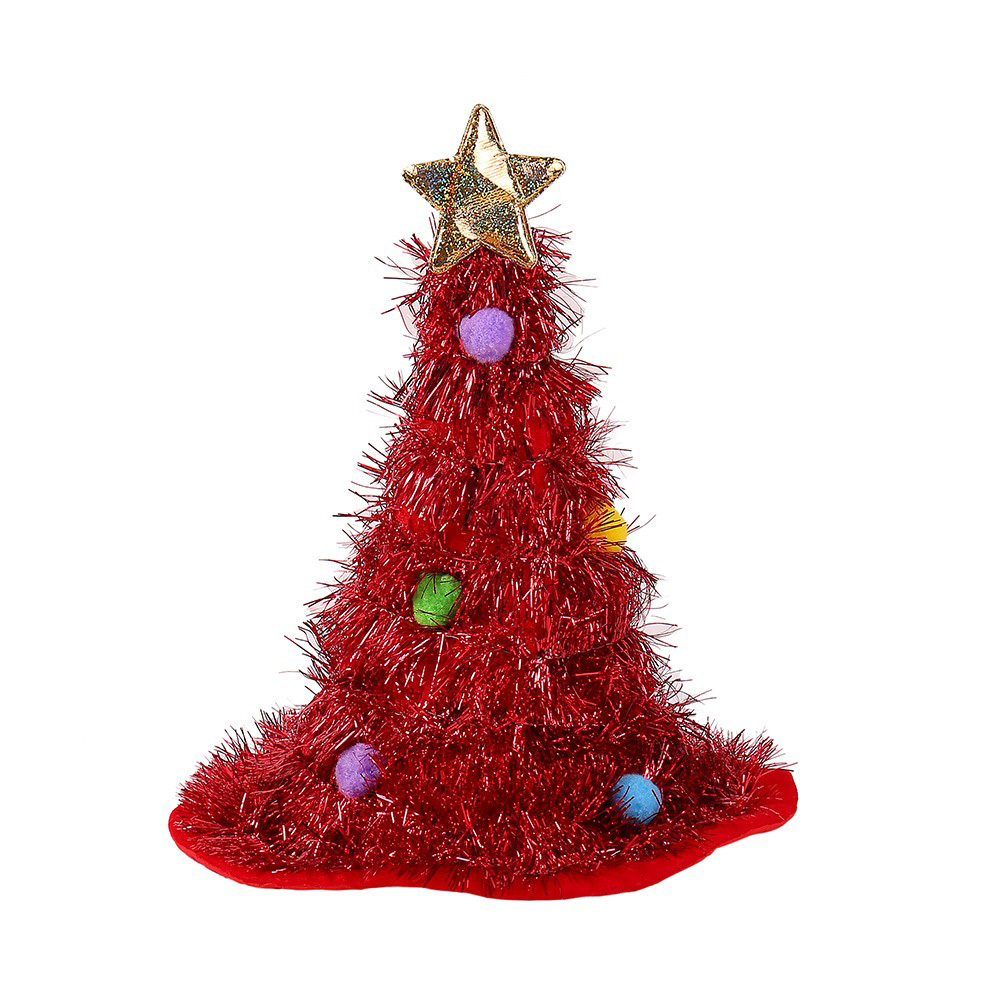
Festive Design: Playful Christmas tree shape perfect for holiday celebrations.Co...
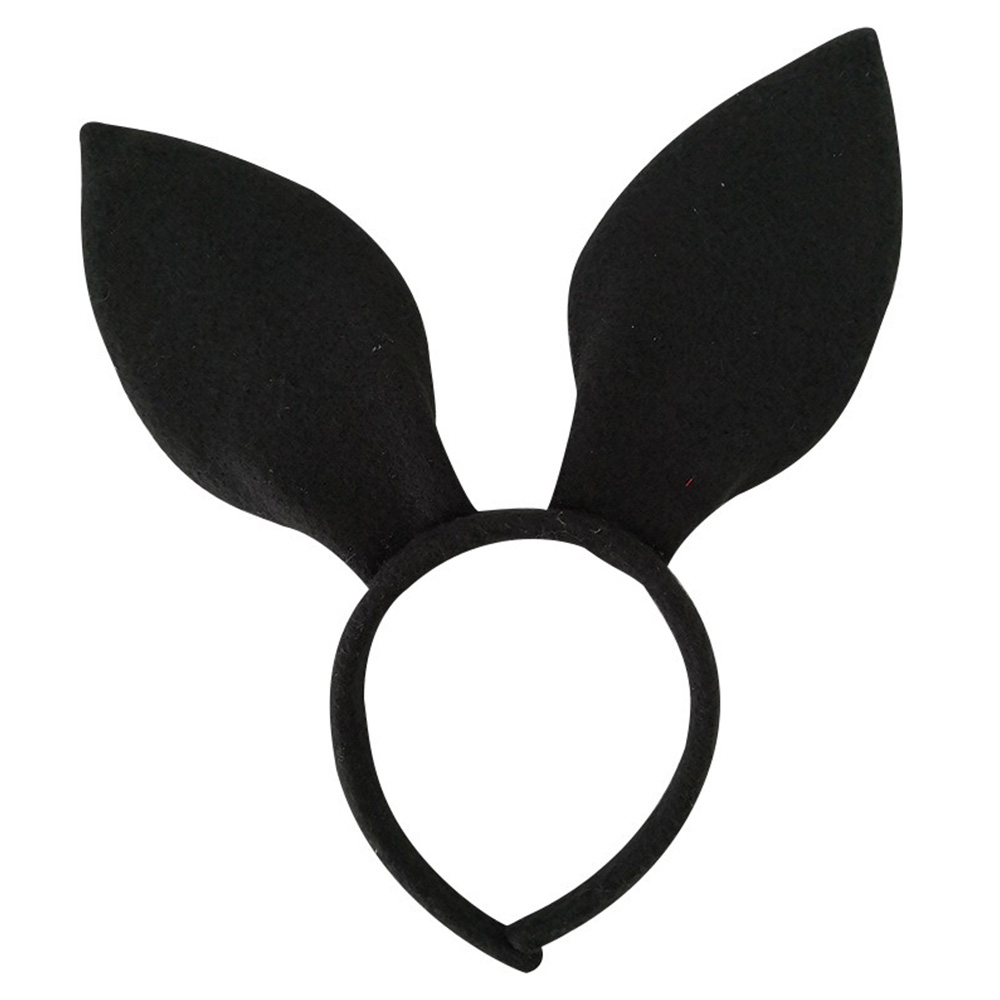
Easter Celebration Accessory: Perfect for adding festive charm to your Easter ev...
QUICK LNKS
PRODUCTS
CONTACT
No.19 Shanghu Industrial Function Zone, Panan County, Zhejiang, China.
(+86) 579-84882425
(+86) 13857944344
Mobile Web